
Notice: تابع WP_Block_Type_Registry::register به طورنادرست فراخوانی شد. نامهای نوع بلوک نباید حروف بزرگ داشته باشند. لطفاً برای اطلاعات بیشتر، اشکال زدایی در وردپرس را مشاهده کنید. (این پیام در نگارش 5.0.0 افزوده شده است.) in /home/ethicsho/public_html/wp-includes/functions.php on line 5313
Warning: Use of undefined constant TDC_PATH_LEGACY - assumed 'TDC_PATH_LEGACY' (this will throw an Error in a future version of PHP) in /home/ethicsho/public_html/wp-content/plugins/td-composer/td-composer.php on line 109
Warning: Use of undefined constant TDSP_THEME_PATH - assumed 'TDSP_THEME_PATH' (this will throw an Error in a future version of PHP) in /home/ethicsho/public_html/wp-content/plugins/td-composer/td-composer.php on line 113 بایگانیهای Business Ethics - صفحه 4 از 4 - خانه اخلاق پژوهان جوان Notice: Trying to access array offset on value of type bool in /home/ethicsho/public_html/wp-content/plugins/wp-ulike/inc/general-functions.php on line 807
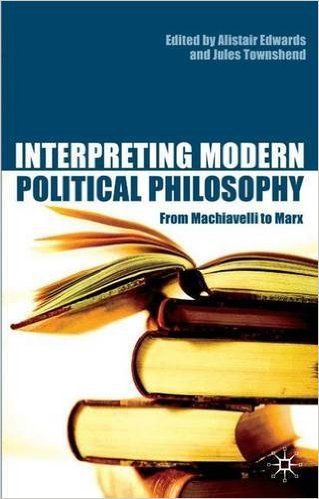
The interpretive literature in the history of political thought is now vast, complex, and esoteric, posing as much a barrier to the understanding of students as it offers assistance. This unique and innovative text provides an essential guide to the major positions and debates that surround the texts of key thinkers. It analyzes major problems of interpreting them, examines the sources of disagreement, and evaluates the different interpretations in terms of their strengths, weaknesses, and contributions to scholarship.
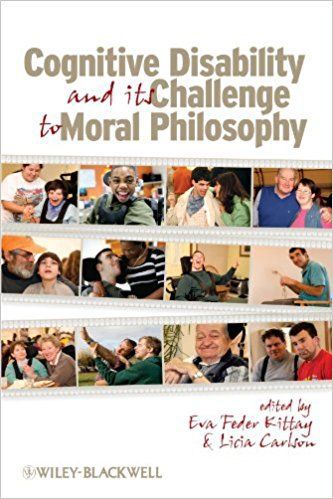
We have been taught that all humans share intrinsic qualities that lend them a common dignity. Philosophers conceive of a certain level of cognitive capacity as the very mark of humanity, and extend the mantle of equal moral fellowship to these “persons.” But what of individuals with diminished cognitive abilities? Cognitive disability poses significant challenges to these fundamental philosophical concepts, prompting a variety of difficult questions. Should those with cognitive disabilities be excluded from the protections and responsibilities we routinely assign to “persons”? Are we forced to reconsider the very concept of “personhood”? How should the interests of people with cognitive disabilities and their caregivers be represented politically? Who is responsible for guaranteeing their care? And to what extent ought they to be granted autonomy?Cognitive Disability and Its Challenge to Moral Philosophy addresses these concerns in a series of thought-provoking Chapters contributed by some of the most prominent moral philosophers of our time, as well as clinicians and medical historians. Collectively, the Chapters represent an important milestone in contemporary thinking about ethical considerations relating to people with cognitive disabilities.Eva Feder Kittay is Distinguished Professor of Philosophy, Women’s Studies Affiliate, and Senior Fellow of the Center for Medical Humanities, Bioethics and Compassionate Care at Stony Brook University, New York. Her published works include Love’s Labor: Essays on Women, Equality, and Dependency (1998); The Blackwell Guide to Feminist Philosophy (co-edited with Linda Martin Alcoff, Wiley-Blackwell, 2006); The Subject of Care: Feminist Perspectives on Dependency (with Ellen K. Feder, 2003); and Metaphor: Its Cognitive Force and Linguistic Structure (1990). She is also the mother of a cognitively disabled woman.Licia Carlson is an assistant professor of philosophy at Providence College. Her research interests include twentieth-century French philosophy, ethics, feminist theory, philosophy and disability, and the philosophy of music. She has published articles on bioethics, feminist theory, disability, and the works of Michel Foucault, and is the author of The Faces of Intellectual Disability: Philosophical Reflections (2010).
This is a 3-in-1 reference book. It gives a complete medical dictionary covering hundreds of terms and expressions relating to abortion. It also gives extensive lists of bibliographic citations. Finally, it provides information to users on how to update their knowledge using various Internet resources. The book is designed for physicians, medical students preparing for Board examinations, medical researchers, and patients who want to become familiar with research dedicated to abortion. If your time is valuable, this book is for you. First, you will not waste time searching the Internet while missing a lot of relevant information. Second, the book also saves you time indexing and defining entries. Finally, you will not waste time and money printing hundreds of web pages.
Book Summary of Guilt And Its Vicissitudes: Psychoanalytic Reflections On MoralityHow do psychoanalysts explain human morality? Guilt and Its Vicissitudes: Psychoanalytic Reflections on Morality focuses on the way Melanie Klein and successive generations of her followers pursued and deepened Freud’s project of explaining man’s moral sense as a wholly natural phenomenon. With the introduction of the superego, Freud laid claim to the study of moral development as part of the psychoanalytic enterprise. At the same time he reconceptualized guilt: he thought of it not only as conscious, but as unconscious as well, and it was the unconscious sense of guilt that became a particular concern of the discipline he was founding. As Klein saw it, his work merely pointed the way. Judith M. Hughes argues that Klein and contemporary Kleinians went on to provide a more consistent and comprehensive psychological account of moral development. Hughes shows how Klein and her followers came to appreciate that moral and cognitive questions are complexly interwoven and makes clear how this complexity prompted them to extend the range of their theory. Hughes demonstrates both a detailed knowledge of the major figures in post-war British psychoanalysis, and a keen sensitivity to the way clinical experience informed theory-building. She writes with vigor and grace, not only about Freud and Klein, but also about such key thinkers as Riviere, Isaacs, Heimann, Segal, Bion and Joseph. Guilt and Its Vicissitudes speaks to those concerned with the clinical application of psychoanalytic theory and to those interested in the contribution psychoanalysis makes to understanding questions of human morality..
ما از اخلاق چه انتظاری داریم؟ این سوال شاید تاحدودی برای عموم مردم و یا متخصصان این رشته قابل پاسخ باشد؛ اینکه خوب بودن را به ما بیاموزد و در تنظیم روابط فردی م...

جشن کتاب تهران به ایستگاه سی و یکم رسیده است. حال و احوال نشر کتاب خوب نیست و باید فرهنگدوستان را به خرید و هدیه دادن کتاب ترغیب نمود. خانه اخلاقپژوهان جوان ب...

بنیاد کتابهای اخلاق اسلامی عمدتا پالایش جان از آلودگیها و آراستن آن به زیباییها است. اندیشه محوری این قبیل کتابها آن است که انسان فعلی آنی نیست که باید باشد...

-
0 Comments