Notice: تابع WP_Block_Type_Registry::register به طورنادرست فراخوانی شد. نامهای نوع بلوک نباید حروف بزرگ داشته باشند. لطفاً برای اطلاعات بیشتر، اشکال زدایی در وردپرس را مشاهده کنید. (این پیام در نگارش 5.0.0 افزوده شده است.) in /home/ethicsho/public_html/wp-includes/functions.php on line 5313
Warning: Use of undefined constant TDC_PATH_LEGACY - assumed 'TDC_PATH_LEGACY' (this will throw an Error in a future version of PHP) in /home/ethicsho/public_html/wp-content/plugins/td-composer/td-composer.php on line 109
Warning: Use of undefined constant TDSP_THEME_PATH - assumed 'TDSP_THEME_PATH' (this will throw an Error in a future version of PHP) in /home/ethicsho/public_html/wp-content/plugins/td-composer/td-composer.php on line 113 بایگانیهای Business Ethics - Islamic Countries - خانه اخلاق پژوهان جوان Notice: Trying to access array offset on value of type bool in /home/ethicsho/public_html/wp-content/plugins/wp-ulike/inc/general-functions.php on line 807
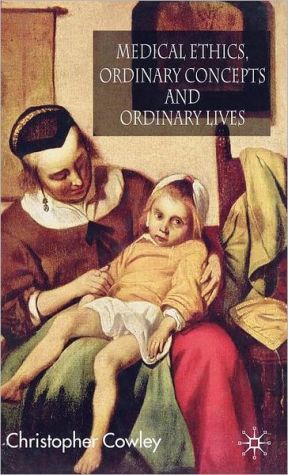
“The big issues of medical ethics are more in the news than ever before. And yet they remain as stubborn and often as incendiary as ever. This book claims that in an effort to deal with the issues, mainstream philosophers have arbitrarily omitted many ethically relevant features in order to reduce the central problems to more tractable technical puzzles. The most gratuitous omissions have been the patient’s point of view on the problem; the patient’s ordinary life, which provides the wider context for his point of view; and the ordinary language and concepts by which the patient tries to make sense of the problem.
“Islam and Morality considers how Islam, the Qur’an, and other Islamic texts have approached the ethics of a variety of contemporary and historical issues. Oliver Leaman provides a varied, balanced, and thought-provoking account of how Islamic thinkers discussed medical ethics, wealth, poverty, the environment, and law. He explores the work of a range of Islamic thinkers, including Rumi, Ibn al-‘Arabi, al-Ghazali, Mutahhari and Barlas, while taking into consideration the different branches of Islam and Islamic theology and law. The book also considers how Islam understands the concept of free will, the relationship between good and evil, and far less abstract topics like what we should eat and drink. Aimed at upper level undergraduates, postgraduates, and researchers working in Islamic Studies and ethics, this is one of the first books to provide a sustained reading of the importance of ethics within Islam”–
K. Danner Clouser is one of the most important figures in establishing and shaping the fields of medical ethics, bioethics, and the philosophy of education in the second half of the twentieth century. Clouser challenged many established approaches to moral theory and offered innovative strategies for integrating the humanities into professional education, especially that of physicians and nurses. The contributions published in Building Bioethics: Conversations with Clouser and Friends on Medical Ethics are unique both in their devotion to a critical review of his contributions, and in bringing together internationally known figures in bioethics, medical ethics, and philosophy of medicine to comment upon Clouser’s work. These leaders of the field include Tom Beauchamp, Daniel Callahan, James Childress, Nancy Dubler, H. Tristram Engelhardt, Al Jonsen, Loretta Kopelman, Larry McCullough, John Moskop, and Robert Veatch. This book merits special attention from those interested in bioethics, philosophy of medicine, medical ethics, philosophy, medical education, religious studies, and nursing education.
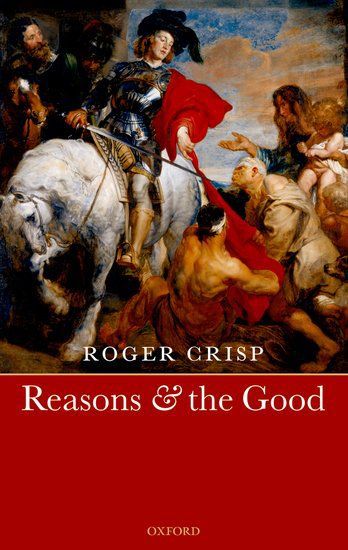
In Reasons and the Good Roger Crisp answers some of the oldest questions in moral philosophy. Fundamental to ethics, he claims, is the idea of ultimate reasons for action; and he argues controversially that these reasons don’t depend on moral concepts. He investigates the nature of reasons themselves, and how we come to know them. He defends a hedonistic theory of well-being and an account of practical reason according to which we can give some, though not overriding, priority to our own good over that of others.
ما از اخلاق چه انتظاری داریم؟ این سوال شاید تاحدودی برای عموم مردم و یا متخصصان این رشته قابل پاسخ باشد؛ اینکه خوب بودن را به ما بیاموزد و در تنظیم روابط فردی م...

جشن کتاب تهران به ایستگاه سی و یکم رسیده است. حال و احوال نشر کتاب خوب نیست و باید فرهنگدوستان را به خرید و هدیه دادن کتاب ترغیب نمود. خانه اخلاقپژوهان جوان ب...

بنیاد کتابهای اخلاق اسلامی عمدتا پالایش جان از آلودگیها و آراستن آن به زیباییها است. اندیشه محوری این قبیل کتابها آن است که انسان فعلی آنی نیست که باید باشد...

-
0 Comments