Notice: تابع WP_Block_Type_Registry::register به طورنادرست فراخوانی شد. نامهای نوع بلوک نباید حروف بزرگ داشته باشند. لطفاً برای اطلاعات بیشتر، اشکال زدایی در وردپرس را مشاهده کنید. (این پیام در نگارش 5.0.0 افزوده شده است.) in /home/ethicsho/public_html/wp-includes/functions.php on line 5313
Warning: Use of undefined constant TDC_PATH_LEGACY - assumed 'TDC_PATH_LEGACY' (this will throw an Error in a future version of PHP) in /home/ethicsho/public_html/wp-content/plugins/td-composer/td-composer.php on line 109
Warning: Use of undefined constant TDSP_THEME_PATH - assumed 'TDSP_THEME_PATH' (this will throw an Error in a future version of PHP) in /home/ethicsho/public_html/wp-content/plugins/td-composer/td-composer.php on line 113 بایگانیهای Biological Specimen Banks - Ethics - Europe - خانه اخلاق پژوهان جوان Notice: Trying to access array offset on value of type bool in /home/ethicsho/public_html/wp-content/plugins/wp-ulike/inc/general-functions.php on line 807
In recent years, a succession of corporate scandals has rocked the international business community. As a result, many companies have invested considerable time, money and effort on the development of ethics management programs. However, in many cases, such programs are nothing more than insurance policies against corporate liability, designed merely to limit the fallout of scandals should they occur. In Business Ethics as Practice, Mollie Painter-Morland urges us to take business ethics seriously by reconsidering the role of ethics management within organizations. She redefines the typical seven-step ethics management program from within – challenging the reader to reconsider what is possible within each aspect of this process. In doing so, she draws on the insights of Aristotle, Nietzsche, Heidegger, Foucault and numerous contemporary organizational theorists and sociologists to create the space for the emergence of a morally responsive corporate ethos.
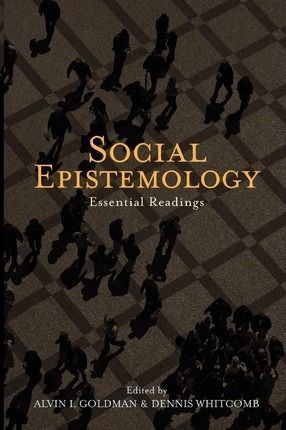
What if anything justifies us in believing the testimony of others? How should we react to disagreement between ourselves and our peers, and to disagreement among the experts when we ourselves are novices? Can beliefs be held by groups of people in addition to the people composing those groups? And if so, how should groups go about forming their beliefs? How should we design social systems, such as legal juries and scientific research-sharing schemes, to promote knowledge among the people who engage in them? When different groups of people judge different beliefs to be justified, how can we tell which groups are correct? These questions are at the heart of the vital discipline of social epistemology. The classic articles in this volume address these questions in ways that are both cutting-edge and easy to understand. This volume will be of great interest to scholars and students in epistemology.
“Now available in English for the first time, Norwegian philosopher Arne Naess’s meditation on the art of living is an exhortation to preserve the environment and biodiversity. Like a “universal great-grandfather,” he offers a bright and bold perspective on the power of feelings to move us away from ecological and cultural degradation toward sound, future-focused policy and action.”.
ما از اخلاق چه انتظاری داریم؟ این سوال شاید تاحدودی برای عموم مردم و یا متخصصان این رشته قابل پاسخ باشد؛ اینکه خوب بودن را به ما بیاموزد و در تنظیم روابط فردی م...

جشن کتاب تهران به ایستگاه سی و یکم رسیده است. حال و احوال نشر کتاب خوب نیست و باید فرهنگدوستان را به خرید و هدیه دادن کتاب ترغیب نمود. خانه اخلاقپژوهان جوان ب...

بنیاد کتابهای اخلاق اسلامی عمدتا پالایش جان از آلودگیها و آراستن آن به زیباییها است. اندیشه محوری این قبیل کتابها آن است که انسان فعلی آنی نیست که باید باشد...

-
0 Comments