Notice: تابع WP_Block_Type_Registry::register به طورنادرست فراخوانی شد. نامهای نوع بلوک نباید حروف بزرگ داشته باشند. لطفاً برای اطلاعات بیشتر، اشکال زدایی در وردپرس را مشاهده کنید. (این پیام در نگارش 5.0.0 افزوده شده است.) in /home/ethicsho/public_html/wp-includes/functions.php on line 5313
Warning: Use of undefined constant TDC_PATH_LEGACY - assumed 'TDC_PATH_LEGACY' (this will throw an Error in a future version of PHP) in /home/ethicsho/public_html/wp-content/plugins/td-composer/td-composer.php on line 109
Warning: Use of undefined constant TDSP_THEME_PATH - assumed 'TDSP_THEME_PATH' (this will throw an Error in a future version of PHP) in /home/ethicsho/public_html/wp-content/plugins/td-composer/td-composer.php on line 113 بایگانیهای Bioéthique - خانه اخلاق پژوهان جوان Notice: Trying to access array offset on value of type bool in /home/ethicsho/public_html/wp-content/plugins/wp-ulike/inc/general-functions.php on line 807
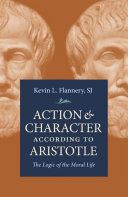
Aristotle, according to the author, depicts the way in which human acts of various sorts and in various combinations determine the logical structure of moral character. Some moral characters–or character types–manage to incorporate a high degree of practical consistency; others incorporate less, without forfeiting their basic orientation toward the good. Still others approach utter inconsistency or moral deprivation, although even these, insofar as they are responsible for their actions, retain a core element of rationality in their souls. According to Aristotle, moral character depends ultimately on the structure of individual acts and on how they fit together into a whole that is consistent–or not consistent–with justice and friendship.–From publisher’s description.
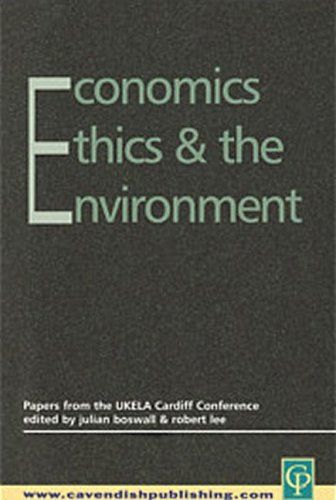
The UK Environmental Law Association (UKELA) holds a conference each year to bring together academics and practitioners,lawyers and environmental experts from other disciplines – within both science and social science. It is a unique event providing a forum for discussion of the most pressing issues of environmental regulation, and provides a unique combination of analysis and practical application. These articles, presented as papers at the Cardiff Conference in 2001, provide an accessible and informative collection addressing the conference theme of economics, ethics and the environment, including such issues as: how we can use traditional economic devices such as taxation, trading and insurance to assist in environmental regulation; how we treat and protect the natural world; how we might cope with the growing problem of waste; and how we should react to safeguard the environment in the face of risks and scientific uncertainties. The collection forms a topical and wide ranging discussion of key issues for legal practitioners, academics and students and will also be of great interest to a wider range of disciplines relating to the environment.
These thirteen original essays, whose authors include some of the world’s leading philosophers, examine themes from the work of the Cambridge philosopher G. E. Moore (1873-1958), and demonstrate his considerable continuing influence on philosophical debate. Part I bears on epistemological topics, such as skepticism about the external world, the significance of common sense, and theories of perception. Part II is devoted to themes in ethics, such as Moore’s open question argument, his non-naturalism, utilitarianism, and his notion of organic unities.
ما از اخلاق چه انتظاری داریم؟ این سوال شاید تاحدودی برای عموم مردم و یا متخصصان این رشته قابل پاسخ باشد؛ اینکه خوب بودن را به ما بیاموزد و در تنظیم روابط فردی م...

جشن کتاب تهران به ایستگاه سی و یکم رسیده است. حال و احوال نشر کتاب خوب نیست و باید فرهنگدوستان را به خرید و هدیه دادن کتاب ترغیب نمود. خانه اخلاقپژوهان جوان ب...

بنیاد کتابهای اخلاق اسلامی عمدتا پالایش جان از آلودگیها و آراستن آن به زیباییها است. اندیشه محوری این قبیل کتابها آن است که انسان فعلی آنی نیست که باید باشد...

-
0 Comments