Notice: تابع WP_Block_Type_Registry::register به طورنادرست فراخوانی شد. نامهای نوع بلوک نباید حروف بزرگ داشته باشند. لطفاً برای اطلاعات بیشتر، اشکال زدایی در وردپرس را مشاهده کنید. (این پیام در نگارش 5.0.0 افزوده شده است.) in /home/ethicsho/public_html/wp-includes/functions.php on line 5313
Warning: Use of undefined constant TDC_PATH_LEGACY - assumed 'TDC_PATH_LEGACY' (this will throw an Error in a future version of PHP) in /home/ethicsho/public_html/wp-content/plugins/td-composer/td-composer.php on line 109
Warning: Use of undefined constant TDSP_THEME_PATH - assumed 'TDSP_THEME_PATH' (this will throw an Error in a future version of PHP) in /home/ethicsho/public_html/wp-content/plugins/td-composer/td-composer.php on line 113 بایگانیهای Autonomy - خانه اخلاق پژوهان جوان Notice: Trying to access array offset on value of type bool in /home/ethicsho/public_html/wp-content/plugins/wp-ulike/inc/general-functions.php on line 807
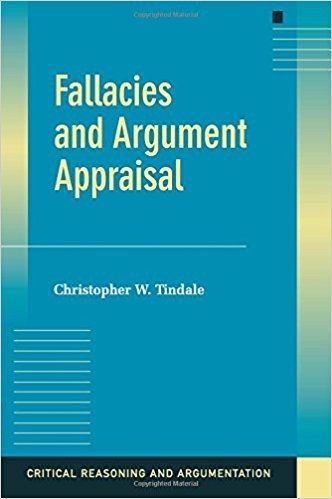
Fallacies and Argument Appraisal presents an introduction to the nature, identification, and causes of fallacious reasoning, along with key questions for evaluation. Drawing from the latest work on fallacies as well as some of the standard ideas that have remained relevant since Aristotle, Christopher Tindale investigates central cases of major fallacies in order to understand what has gone wrong and how this has occurred. Dispensing with the approach that simply assigns labels and brief descriptions of fallacies, Tindale provides fuller treatments that recognize the dialectical and rhetorical contexts in which fallacies arise. This volume analyzes major fallacies through accessible, everyday examples. Critical questions are developed for each fallacy to help the student identify them and provide considered evaluations.
Nutrigenomics is the rapidly developing field of science that studies nutrient-gene interaction. This field has broad implications for understanding the interaction of human genomics and nutrition, but can also have very specific implications for individual dietary recommendations in light of personal genetics. Predicted applications for nutrigenomics include genomics-based dietary guidelines and personalized nutrition based on individual genetic tests. These developments have sweeping ethical, legal and regulatory implications for individuals, corporations and governments.This book brings together experts in ethics, law, regulatory analysis, and communication studies to identify and address relevant issues in the emerging field of nutritional genomics. Contributing authors are experts in the social aspects of biotechnology innovation, with expertise in nutrigenomics. From addressing the concern that nutrigenomics will transform food into medicine and undermine pleasures associated with eating to the latest in the science of nutrigenomics, this book provides a world-wide perspective on the potential impact of nutrigenomics on our association with food. *Explores the rapidly developing, yet not fully understood, impact of nutrigenomics on the relationship to food medicalization, genetic privacy, nutrition and health.*Provides ground for further exploration to identify issues and provide analysis to aid in policy and regulation development*Provides ethical and legal insights into this unfolding science, as well as serving as a model for thinking about issues arising in other fields of science and technology
When Did I Begin? investigates the theoretical, moral, and biological issues surrounding the debate over the beginning of human life. With the continuing controversy over the use of in vitro fertilization techniques and experimentation with human embryos, these issues have been forced into the arena of public debate. Following a detailed analysis of the history of the question, Reverend Ford argues that a human individual could not begin before definitive individuation occurs with the appearance of the primitive streak about two weeks after fertilization. This, he argues, is when it becomes finally known whether one or more human individuals are to form from a single egg. Thus, he questions the idea that the fertilized egg itself could be regarded as the beginning of the development of the human individual. The author also differs sharply, however, from those who would delay the beginning of the human person until the brain is formed, or until birth or the onset of conscious states.
ما از اخلاق چه انتظاری داریم؟ این سوال شاید تاحدودی برای عموم مردم و یا متخصصان این رشته قابل پاسخ باشد؛ اینکه خوب بودن را به ما بیاموزد و در تنظیم روابط فردی م...

جشن کتاب تهران به ایستگاه سی و یکم رسیده است. حال و احوال نشر کتاب خوب نیست و باید فرهنگدوستان را به خرید و هدیه دادن کتاب ترغیب نمود. خانه اخلاقپژوهان جوان ب...

بنیاد کتابهای اخلاق اسلامی عمدتا پالایش جان از آلودگیها و آراستن آن به زیباییها است. اندیشه محوری این قبیل کتابها آن است که انسان فعلی آنی نیست که باید باشد...

-
0 Comments