Notice: تابع WP_Block_Type_Registry::register به طورنادرست فراخوانی شد. نامهای نوع بلوک نباید حروف بزرگ داشته باشند. لطفاً برای اطلاعات بیشتر، اشکال زدایی در وردپرس را مشاهده کنید. (این پیام در نگارش 5.0.0 افزوده شده است.) in /home/ethicsho/public_html/wp-includes/functions.php on line 5313
Warning: Use of undefined constant TDC_PATH_LEGACY - assumed 'TDC_PATH_LEGACY' (this will throw an Error in a future version of PHP) in /home/ethicsho/public_html/wp-content/plugins/td-composer/td-composer.php on line 109
Warning: Use of undefined constant TDSP_THEME_PATH - assumed 'TDSP_THEME_PATH' (this will throw an Error in a future version of PHP) in /home/ethicsho/public_html/wp-content/plugins/td-composer/td-composer.php on line 113 بایگانیهای Autonomy (Philosophy) - History - خانه اخلاق پژوهان جوان Notice: Trying to access array offset on value of type bool in /home/ethicsho/public_html/wp-content/plugins/wp-ulike/inc/general-functions.php on line 807
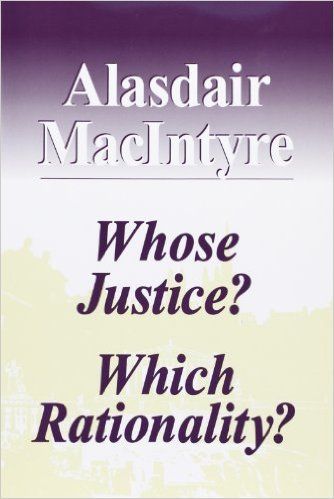
[This book] develops an account of rationality and justice that is tradition specific. -http://undpress.nd.edu. Whose Justice? Which Rationality?, the sequel to After Virtue, is a persuasive argument of there not being rationality that is not the rationality of some tradition. MacIntyre examines the problems presented by the existence of rival traditions of inquiry in the cases of four major philosophers: Aristotle, Augustine, Aquinas, and Hume.
This work offers a new understanding of Kant on the freedom of the will. Voeller looks in detail at theGroundwork of the Metaphysics of Moralsand theCritique of Practical Reasonagainst the background of Kant’s critical philosophy as a whole. Voeller’s book is essential reading for those interested in moral philosophy, Kant, philosophy of religion, philosophy of action and freedom of the will.
This book explores questions regarding the justice of war and addresses the lack of comparative perspectives on the ethics of war, particularly with respect to Islam. Focusing on the role of Islamic symbols in the rhetoric of Saddam Hussein, Kelsay provides an overview of the Islamic tradition regarding war and peace, and investigates the notion of religion as a just cause for war.
Oxford Political Theory presents the best new work in contemporary political theory. It is intended to be broad in scope, including original contributions to political philosophy, and also work in applied political theory. The series will contain works of outstanding quality with no restriction as to approach or subject matter. Series Editors: Will Kymlicka, David Miller, and Alan Ryan. This book presents a non-cosmopolitan theory of global justice. In contrast to theories that seek to extend principles of social justice, such as equality of opportunity or resources, to the world as a whole, it argues that in a world made up of self-determining national communities, a different conception is needed. The book presents and defends an account of national responsibility which entails that nations may justifiably claim the benefits that their decisions and policies produce, while also being held liable for harms that they inflict on other peoples. Such collective responsibility extends to responsibility for the national past, so the present generation may owe redress to those who have been harmed by the actions of their predecessors. Global justice, therefore, must be understood not in terms of equality, but in terms of a minimum set of basic rights that belong to human beings everywhere. Where these rights are being violated or threatened, remedial responsibility may fall on outsiders. The book considers how this responsibility should be allocated, and how far citizens of democratic societies must limit their pursuit of domestic objectives in order to discharge their global obligations. The book presents a systematic challenge to existing theories of global justice without retreating to a narrow nationalism that denies that we have any responsibilities to the world’s poor. It combines discussion of practical questions such as immigration and foreign aid with philosophical exploration of, for instance, the different senses of responsibility, and the grounds of human rights.
ما از اخلاق چه انتظاری داریم؟ این سوال شاید تاحدودی برای عموم مردم و یا متخصصان این رشته قابل پاسخ باشد؛ اینکه خوب بودن را به ما بیاموزد و در تنظیم روابط فردی م...

جشن کتاب تهران به ایستگاه سی و یکم رسیده است. حال و احوال نشر کتاب خوب نیست و باید فرهنگدوستان را به خرید و هدیه دادن کتاب ترغیب نمود. خانه اخلاقپژوهان جوان ب...

بنیاد کتابهای اخلاق اسلامی عمدتا پالایش جان از آلودگیها و آراستن آن به زیباییها است. اندیشه محوری این قبیل کتابها آن است که انسان فعلی آنی نیست که باید باشد...

-
0 Comments