Notice: تابع WP_Block_Type_Registry::register به طورنادرست فراخوانی شد. نامهای نوع بلوک نباید حروف بزرگ داشته باشند. لطفاً برای اطلاعات بیشتر، اشکال زدایی در وردپرس را مشاهده کنید. (این پیام در نگارش 5.0.0 افزوده شده است.) in /home/ethicsho/public_html/wp-includes/functions.php on line 5313
Warning: Use of undefined constant TDC_PATH_LEGACY - assumed 'TDC_PATH_LEGACY' (this will throw an Error in a future version of PHP) in /home/ethicsho/public_html/wp-content/plugins/td-composer/td-composer.php on line 109
Warning: Use of undefined constant TDSP_THEME_PATH - assumed 'TDSP_THEME_PATH' (this will throw an Error in a future version of PHP) in /home/ethicsho/public_html/wp-content/plugins/td-composer/td-composer.php on line 113 بایگانیهای Assassins - Fiction - خانه اخلاق پژوهان جوان Notice: Trying to access array offset on value of type bool in /home/ethicsho/public_html/wp-content/plugins/wp-ulike/inc/general-functions.php on line 807
Screenwriting With a Conscience: Ethics for Screenwritersis for screenwriters who care deeply about what they write; who are aware that movie images matter and can influence audiences; and who want to create meaningful screenplays that make powerful statements while entertaining and winning over audiences. A user-friendly guide to ethical screenwriting, this book makes the case that social responsibility is endemic to public art while it emphatically champions First Amendment rights and condemns censorship. In this dynamic and practical volume, author Marilyn Beker provides methods for self-assessment of values, ideas, and ethical stances, and demonstrates the application of these values to the development of plot, character, and dialogue. Screenwriters are introduced to ethical decision making models and shown–through specific film examples–how they can be utilized in plot and character development. In addition, specific techniques and exercises are supplied to help screenwriters determine the difference between “good” and “evil,” to write realistic and compelling characters based on this determination, and to present “messages” and write dialogue powerfully without preaching. This book also puts forth a livable work philosophy for dealing with the ethics of the screenwriting business, and presents a viable personal philosophy for surviving in the screenwriting world. Screenwriting With a Conscience: Ethics for Screenwritersis an indispensible, dynamic guide for the ethics-conscious screenwriter. It is intended for screenwriters at the student and professional level, and is appropriate for beginning to graduate screenwriting courses in film and English programs, and for film courses dealing with Ethics in the Media.
Wide ranging and up to date, this is the single most comprehensive treatment of the most influential political philosopher of the 20th century, John Rawls. An unprecedented survey that reflects the surge of Rawls scholarship since his death, and the lively debates that have emerged from his work Features an outstanding list of contributors, including senior as well as “next generation” Rawls scholars Provides careful, textually informed exegesis and well-developed critical commentary across all areas of his work, including non-Rawlsian perspectives Includes discussion of new material, covering Rawls’s work from the newly published undergraduate thesis to the final writings on public reason and the law of peoples Covers Rawls’s moral and political philosophy, his distinctive methodological commitments, and his relationships to the history of moral and political philosophy and to jurisprudence and the social sciences Includes discussion of his monumental 1971 book, A Theory of Justice, which is often credited as having revitalized political philosophy
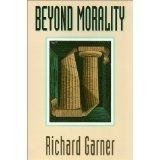
“Morality and religion have failed because they are based on duplicity and fantasy. We need something new….” With this startling statement, Richard Garner begins to define a system of behavior that will nurture our capabilities for love and language, for creation and cooperation.The satisfying personal and social strategy for living Garner proposes is “informed, compassionate amoralism.” To do without morality, he argues, is to reject the idea that there are intrinsic values, objective duties, and natural rights. Leaving illusions behind us and learning to listen to others and to ourselves may be what we need to lead us out of the darkness.Garner builds his case on a survey of moral definitions and arguments from ancient Greece forward. Beyond Morality revisits the tenets of Christianity and Eastern religious, providing readers with a meaningful overview of the history of moral thought.Quotations illuminate and illustrate the text, adding to the value of Beyond Morality as a textbook for ethics courses. Author note: Richard Garner is Professor of Philosophy at The Ohio State University.
ما از اخلاق چه انتظاری داریم؟ این سوال شاید تاحدودی برای عموم مردم و یا متخصصان این رشته قابل پاسخ باشد؛ اینکه خوب بودن را به ما بیاموزد و در تنظیم روابط فردی م...

جشن کتاب تهران به ایستگاه سی و یکم رسیده است. حال و احوال نشر کتاب خوب نیست و باید فرهنگدوستان را به خرید و هدیه دادن کتاب ترغیب نمود. خانه اخلاقپژوهان جوان ب...

بنیاد کتابهای اخلاق اسلامی عمدتا پالایش جان از آلودگیها و آراستن آن به زیباییها است. اندیشه محوری این قبیل کتابها آن است که انسان فعلی آنی نیست که باید باشد...

-
0 Comments