Notice: تابع WP_Block_Type_Registry::register به طورنادرست فراخوانی شد. نامهای نوع بلوک نباید حروف بزرگ داشته باشند. لطفاً برای اطلاعات بیشتر، اشکال زدایی در وردپرس را مشاهده کنید. (این پیام در نگارش 5.0.0 افزوده شده است.) in /home/ethicsho/public_html/wp-includes/functions.php on line 5313
Warning: Use of undefined constant TDC_PATH_LEGACY - assumed 'TDC_PATH_LEGACY' (this will throw an Error in a future version of PHP) in /home/ethicsho/public_html/wp-content/plugins/td-composer/td-composer.php on line 109
Warning: Use of undefined constant TDSP_THEME_PATH - assumed 'TDSP_THEME_PATH' (this will throw an Error in a future version of PHP) in /home/ethicsho/public_html/wp-content/plugins/td-composer/td-composer.php on line 113 بایگانیهای 174 - خانه اخلاق پژوهان جوان Notice: Trying to access array offset on value of type bool in /home/ethicsho/public_html/wp-content/plugins/wp-ulike/inc/general-functions.php on line 807
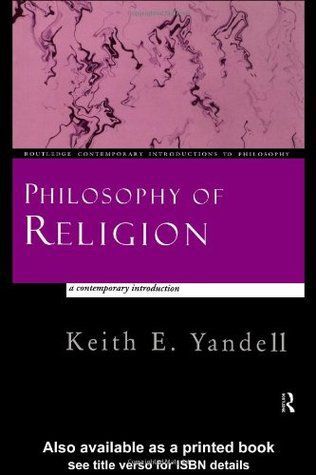
Philosophy of Religion provides an account of the central issues and viewpoints in the philosophy of religion but also shows how such issues can be rationally assessed and in what ways competing views can be rationally assessed. It includes major philosophical figures in religious traditions as well as discussions by important contemporary philosophers. Keith Yandell deals lucidly and constructively with representative views from Judaism, Christianity, Islam, Hinduism, Buddhism, and Jainism. This book will appeal to students of both philosophy and religion as well as to the general reader interested in the subject.Unique features of Philosophy of Religion: * key reading and new reading in the subject area* questions at the ends of chapters* a glossary of philosophical terms* annotated further reading
Technological developments have shaped copyright law’s development, and now the prospect of endless, effortless digital copying poses a significant challenge to modern copyright law. Many complain that copyright protection has burgeoned wildly, far beyond its original boundaries. Some have questioned whether copyright can survive the digital age. From a historical perspective, however, many of these ‘new’ challenges are simply fresh presentations of familiar dilemmas. This book explores the history of international copyright law, and looks at how this history is relevant today. It focuses on international copyright during the nineteenth century, as it affected Europe, the British colonies (particularly Canada), America, and the UK. As we consider the reform of modern copyright law, nineteenth-century experiences offer highly relevant empirical evidence. Copyright law has proved itself robust and flexible over several centuries. If directed with vision, Seville argues, it can negotiate cyberspace.
We inhabit a world of differences–cultural, religious, moral, philosophical. The question that preoccupies the contributors to this volume is whether the fact of difference–plurality–inevitably leads to the conclusion that there cannot be a single truth, even in moral matters. The collection brings together a wide variety of contributors with different backgrounds and distinctive skills and attitudes to explore the implications of plurality, and no reader will be left in any doubt that the issues are fundamental ones.
In the immediate future we are likely to witness significant developments in human genetic science. It is therefore of critical importance that Christian ethics engages with the genetics debate, since it affects not just the way we perceive ourselves and the natural world, but also has wider implications for our society. This book considers ethical issues arising out of specific practices in human genetics, including genetic screening, gene patenting, gene therapy, genetic counselling as well as feminist concerns. Genetics and Christian Ethics argues for a particular theo-ethical approach that derives from a modified version of virtue ethics, drawing particularly on a Thomistic understanding of the virtues, especially prudence or practical wisdom and justice. The book demonstrates that a theological voice is highly relevant to contested ethical debates about genetics.
Genocide in Rwanda, multiple murder in Denver or Dunblane, the gruesome activities of serial killers–what makes these great evils, and why do they occur? In addressing such questions this book interconnects contemporary moral philosophy with recent work in New Testament scholarship. The conclusions to emerge are surprising. Gordon Graham argues that the inability of modernist thought to account satisfactorily for evil and its occurrence should not lead us to embrace an eclectic postmodernism, but to take seriously some unfashionable premodern conceptions–Satan, demonic possession, spiritual powers, cosmic battles. The book makes a powerful case for the rejection of humanism and naturalism, and for explaining the moral obligation to struggle against evil by reference to the New Testament’s cosmic narrative.
ما از اخلاق چه انتظاری داریم؟ این سوال شاید تاحدودی برای عموم مردم و یا متخصصان این رشته قابل پاسخ باشد؛ اینکه خوب بودن را به ما بیاموزد و در تنظیم روابط فردی م...

جشن کتاب تهران به ایستگاه سی و یکم رسیده است. حال و احوال نشر کتاب خوب نیست و باید فرهنگدوستان را به خرید و هدیه دادن کتاب ترغیب نمود. خانه اخلاقپژوهان جوان ب...

بنیاد کتابهای اخلاق اسلامی عمدتا پالایش جان از آلودگیها و آراستن آن به زیباییها است. اندیشه محوری این قبیل کتابها آن است که انسان فعلی آنی نیست که باید باشد...

-
0 Comments