Notice: تابع WP_Block_Type_Registry::register به طورنادرست فراخوانی شد. نامهای نوع بلوک نباید حروف بزرگ داشته باشند. لطفاً برای اطلاعات بیشتر، اشکال زدایی در وردپرس را مشاهده کنید. (این پیام در نگارش 5.0.0 افزوده شده است.) in /home/ethicsho/public_html/wp-includes/functions.php on line 5313
Warning: Use of undefined constant TDC_PATH_LEGACY - assumed 'TDC_PATH_LEGACY' (this will throw an Error in a future version of PHP) in /home/ethicsho/public_html/wp-content/plugins/td-composer/td-composer.php on line 109
Warning: Use of undefined constant TDSP_THEME_PATH - assumed 'TDSP_THEME_PATH' (this will throw an Error in a future version of PHP) in /home/ethicsho/public_html/wp-content/plugins/td-composer/td-composer.php on line 113 بایگانیهای Morgan & Claypool Publishers - خانه اخلاق پژوهان جوان Notice: Trying to access array offset on value of type bool in /home/ethicsho/public_html/wp-content/plugins/wp-ulike/inc/general-functions.php on line 807
Owen Flanagan argues in this book for a more psychologically realistic ethical reflection and spells out the ways in which psychology can enrich moral philosophy. Beginning with a discussion of such “moral saints” as Gandhi, Mother Teresa, and Oskar Shindler, Flanagan charts a middle course between an ethics that is too realistic and socially parochial and one that is too idealistic, giving no weight to our natures.
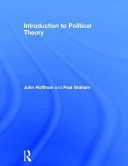
Introduction to Political Theory is a text for the 21st century. It shows students why an understanding of theory is crucial to an understanding of issues and events in a rapidly shifting global political landscape. Bringing together classic and contemporary political concepts and ideologies into one book, this new text introduces the major approaches to political issues that have shaped the modern world, and the ideas that form the currency of political debate. Introduction to Political Theory relates political ideas to political realities through effective use of examples and case studies making theory lively, contentious and relevant. This updated third edition comes with significant revisions which reflect the latest questions facing political theory, such as the French burqa controversy, ethnic nationalism and the value of research from sociobiology. Accompanying these debates is a wealth of new and thought-provoking case studies for discussion, including (consensual) sadomasochism, affirmative action and same-sex marriage. A new chapter on difference has also been added to complement those on feminism and multiculturalism. The revised glossary, revamped website for further reading and new streamlined layout make Introduction to Political Theory third edition the perfect accompaniment to undergraduate study.
Recent developments in biotechnology and genetic research are raising complex ethical questions concerning the legitimate scope and limits of genetic intervention. As we begin to contemplate the possibility of intervening in the human genome to prevent diseases, we cannot help but feel that the human species might soon be able to take its biological evolution in its own hands. ‘Playing God’ is the metaphor commonly used for this self-transformation of the species, which, it seems, might soon be within our grasp. In this important new book, Jurgen Habermas – the most influential philosopher and social thinker in Germany today – takes up the question of genetic engineering and its ethical implications and subjects it to careful philosophical scrutiny. His analysis is guided by the view that genetic manipulation is bound up with the identity and self-understanding of the species. We cannot rule out the possibility that knowledge of one’s own hereditary factors may prove to be restrictive for the choice of an individual’s way of life and may undermine the symmetrical relations between free and equal human beings. In the concluding chapter – which was delivered as a lecture on receiving the Peace Prize of the German Book Trade for 2001 – Habermas broadens the discussion to examine the tension between science and religion in the modern world, a tension which exploded, with such tragic violence, on September 11th.
Psychology and Law shows how psychological research and theory can be used in a legal context. Written with advanced undergraduate students in mind, it focuses upon the pre-trial or investigative phase of the legal process. Obtaining and assessing witness evidence is a key part of any criminal investigation. Topics include witness accuracy and credibility, covering issues such as assessment of witness credibility, interviewing suspects and witnesses, eyewitness testimony, false beliefs and memory, the role of experts and juries. This second edition has been revised and updated to reflect the large amount of new research in the area, making it the essential guide for all courses with a legal component. Comment on the first edition: “This is an excellent appraisal of the psychology of evidence…it provides thorough, substantial and up-to-date accounts of modern developments.” Denniss Howitt, Loughborough University, UK * Written by well known and respected authors * Suitable as an introductory, undergraduate text
ما از اخلاق چه انتظاری داریم؟ این سوال شاید تاحدودی برای عموم مردم و یا متخصصان این رشته قابل پاسخ باشد؛ اینکه خوب بودن را به ما بیاموزد و در تنظیم روابط فردی م...

جشن کتاب تهران به ایستگاه سی و یکم رسیده است. حال و احوال نشر کتاب خوب نیست و باید فرهنگدوستان را به خرید و هدیه دادن کتاب ترغیب نمود. خانه اخلاقپژوهان جوان ب...

بنیاد کتابهای اخلاق اسلامی عمدتا پالایش جان از آلودگیها و آراستن آن به زیباییها است. اندیشه محوری این قبیل کتابها آن است که انسان فعلی آنی نیست که باید باشد...

-
0 Comments