Notice: تابع WP_Block_Type_Registry::register به طورنادرست فراخوانی شد. نامهای نوع بلوک نباید حروف بزرگ داشته باشند. لطفاً برای اطلاعات بیشتر، اشکال زدایی در وردپرس را مشاهده کنید. (این پیام در نگارش 5.0.0 افزوده شده است.) in /home/ethicsho/public_html/wp-includes/functions.php on line 5313
Warning: Use of undefined constant TDC_PATH_LEGACY - assumed 'TDC_PATH_LEGACY' (this will throw an Error in a future version of PHP) in /home/ethicsho/public_html/wp-content/plugins/td-composer/td-composer.php on line 109
Warning: Use of undefined constant TDSP_THEME_PATH - assumed 'TDSP_THEME_PATH' (this will throw an Error in a future version of PHP) in /home/ethicsho/public_html/wp-content/plugins/td-composer/td-composer.php on line 113 بایگانیهای Ashgate Pub Co - خانه اخلاق پژوهان جوان Notice: Trying to access array offset on value of type bool in /home/ethicsho/public_html/wp-content/plugins/wp-ulike/inc/general-functions.php on line 807
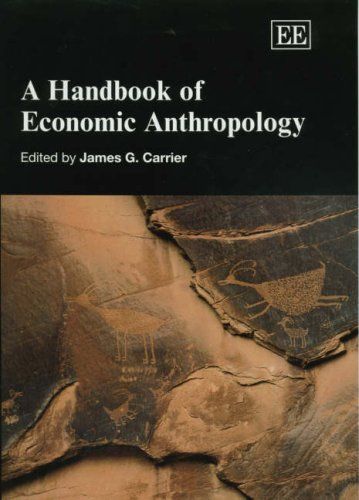
For more than a century, anthropologists have studied the economic lives and institutions of people around the world. The results of their research and reflection on economy have generally stayed within the discipline and have not been available in an accessible form to a broader readership. This major reference book is intended to correct this. This unique Handbook contains substantial and invaluable summary discussions of work on economic processes and issues, and on the relationship between economic and non-economic areas of life. Furthermore it describes conceptual orientations that are important among economic anthropologists, and presents summaries of key issues in the anthropological study of economic life in different regions of the world. Its scope and accessibility make it useful both to those who are interested in a particular topic and to those who want to see the breadth and fruitfulness of an anthropological study of economics. Economists from a wide range of fields and perspectives – from heterodox to classical, and from industrial economics to economic psychology and sociology – will find much to engage them within this exciting Handbook, as will anthropologists drawn to the significant statements by senior figures in the field. Those involved in development projects will find this an invaluable reference work with which to gain greater understanding of and insight into the reasons for people’s economic activities and decisions. The concise treatments of topics will provide invaluable teaching aids and reference for further reading by scholars at all levels of study.
The Oxford Textbook of Clinical Research Ethics is the first systematic and comprehensive reference on clinical research ethics. Under the editorship of experts from the National Institute of Health of the United States, the book’s 73 chapters offer a wide-ranging and systematic examination of all aspects of research with human beings. Considering historical triumphs of research as well as tragedies, the textbook provides a framework for analyzing the ethical aspects of research studies with human beings. Through both conceptual analysis and systematic reviews of empirical data, the textbook examines issues ranging from scientific validity, fair subject selection, risk benefit ration, independent review, and informed consent as well as focused consideration of international research ethics, conflicts of interests and other aspects of responsible conduct of research. The editors of The Oxford Textbook of Clinical Research Ethics offer a work that critically assesses and advances scholarship in the field of human subjects research with human beings. Comprehensive in scope and research, this book will be a crucial resource for researchers in the medical sciences, as well as teachers and students alike.
Bioethics, still in its infancy, is routinely called on by the government to provide political cover for controversial public health decisions involving the life and death of Americans. Doomsday or worst-case scenarios are often at the heart of these biopolitical decisions. A central feature of science fiction, these scenarios can impart useful insights. But worst-case scenarios, like Frankenstein’s monster, can also be unpredictably destructive, undermining both preparedness and the very values bioethics seeks to promote. Discovering a new flu strain, for example, leads immediately to visions of the 1918 flu pandemic, the worst in human history. Likewise, a “ticking time bomb” scenario leads to the use of physicians for torture, and he all purpose worst case charge of “socialism” threatens to derail meaningful healthcare reform. In Worst Case Bioethics George Annas employs contemporary disputes involving death and disaster to explore the radical changes underway in public health practice, the application of constitutional law to medicine, and human rights discourse to promote human health and wellbeing. Worst-case scenarios, especially worst-case bioethics scenarios, distort debate, limit options, rationalize human rights abuses, and undermine equality and social justice. It is, nonetheless, possible to temper worst-case scenarios in ways that promote both the development of a meaningful American bioethics, and a life and liberty affirming global health and human rights movement. Written at the intersection of law, bioethics, public health, and human rights, Worst Case Bioethics will interest not only bioethicists but scholars in public health, public policy, and human rights law, as well as members of the public who want to participate in these policy debates. Written at the intersection of law, bioethics, public health, and human rights, Worse Case Bioethics will interest not only bioethicists but scholars in public health, public policy, and human rights law.
When disasters strike, people are not the only victims. Hurricane Katrina raised public attention about how disasters affect dogs, cats, and other animals considered members of the human family. In this short but powerful book, noted sociologist Leslie Irvine goes beyond Katrina to examine how disasters like oil spills, fires, and other calamities affect various animal populations-on factory farms, in research facilities, and in the wild.Filling the Arkargues that humans cause most of the risks faced by animals and urges for better decisions about the treatment of animals in disasters. Furthermore, it makes a broad appeal for the ethical necessity of better planning to keep animals out of jeopardy. Irvine not only offers policy recommendations and practical advice for evacuating animals, she also makes a strong case for rethinking our use of animals, suggesting ways to create more secure conditions.
ما از اخلاق چه انتظاری داریم؟ این سوال شاید تاحدودی برای عموم مردم و یا متخصصان این رشته قابل پاسخ باشد؛ اینکه خوب بودن را به ما بیاموزد و در تنظیم روابط فردی م...

جشن کتاب تهران به ایستگاه سی و یکم رسیده است. حال و احوال نشر کتاب خوب نیست و باید فرهنگدوستان را به خرید و هدیه دادن کتاب ترغیب نمود. خانه اخلاقپژوهان جوان ب...

بنیاد کتابهای اخلاق اسلامی عمدتا پالایش جان از آلودگیها و آراستن آن به زیباییها است. اندیشه محوری این قبیل کتابها آن است که انسان فعلی آنی نیست که باید باشد...

-
0 Comments