Notice: تابع WP_Block_Type_Registry::register به طورنادرست فراخوانی شد. نامهای نوع بلوک نباید حروف بزرگ داشته باشند. لطفاً برای اطلاعات بیشتر، اشکال زدایی در وردپرس را مشاهده کنید. (این پیام در نگارش 5.0.0 افزوده شده است.) in /home/ethicsho/public_html/wp-includes/functions.php on line 5313
Warning: Use of undefined constant TDC_PATH_LEGACY - assumed 'TDC_PATH_LEGACY' (this will throw an Error in a future version of PHP) in /home/ethicsho/public_html/wp-content/plugins/td-composer/td-composer.php on line 109
Warning: Use of undefined constant TDSP_THEME_PATH - assumed 'TDSP_THEME_PATH' (this will throw an Error in a future version of PHP) in /home/ethicsho/public_html/wp-content/plugins/td-composer/td-composer.php on line 113 بایگانیهای R725.5 .B522 2009 - خانه اخلاق پژوهان جوان Notice: Trying to access array offset on value of type bool in /home/ethicsho/public_html/wp-content/plugins/wp-ulike/inc/general-functions.php on line 807
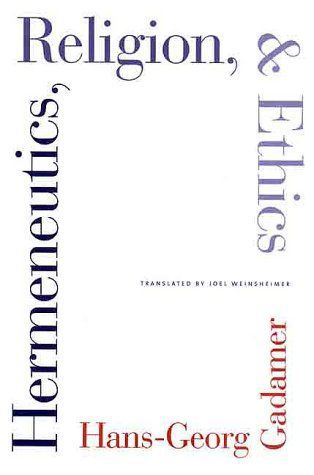
“In the years shortly before and after the publication of his classic Truth and Method (1960), the eminent German philosopher Hans-Georg Gadamer returned often to questions surrounding religion and ethics. In this selection of writings from Gesammelte Werke that are here translated into English for the first time, Gadamer probes deeply into the hermeneutic significance of these subjects.”–BOOK JACKET.
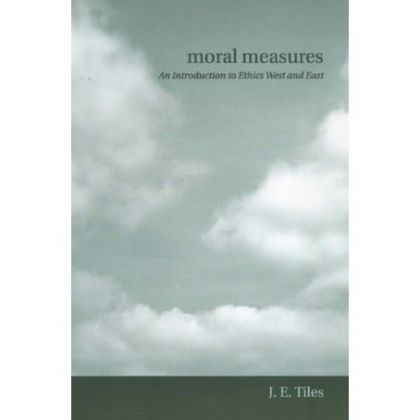
What basis do we have for condemning the Aztec custom of human sacrifice, the Chinese tradition of foot-binding, or the African practice of female genital mutilation? What can we learn from the moral traditions of other cultures? Addressing such questions,MoralMeasuresis a clear, fresh and accessible introduction to ethics which carefully illuminates the difficult issues surrounding cross-cultural ethics and moral thought. By examining Eastern and Western moral traditions, J. E. Tiles explores the basis for determining ethical measures of conduct across different cultures. Drawing on a rich array of ethical thinkers, including Aristotle, Kant and Confucius, Tiles argues that ethical problems are shared by apparently opposed moral traditions and that there is much to be learned by comparing them.
Do we desire things because they are good, or are they good because we desire them? Objectivists answer that we desire things because they are good; subjectivists answer that things are good because we desire them. Further, does it make sense to account for moral disagreement by claiming, as the moral relativist does, that something might be good for one person but not for another? Some essays in this book consider whether objective moral truths can be grounded in an understanding of the nature of human beings as rational and social animals. Some discuss the ethical theories of historical figures-Aristotle, Aquinas, or Kant-or offer critical assessments of the work of recent and contemporary theorists-such as Moore, Putnam, Ayn Rand, Philippa Foot, and Rosalind Hursthouse. Other essays ask whether moral principles and values can be constructed through a process of practical reasoning or deliberation. Still others consider what the phenomenology of our moral experiences can reveal about moral objectivity.
Through a collection of new, previously unpublished essays, The Blackwell Guide to Kant’s Ethics addresses diverse topics crucial to our understanding of Kant’s moral philosophy and its implications for the modern age. Provides a fresh perspective on themes in Kant’s moral philosophy Addresses systematically Kant’s foundational work, Groundwork for the Metaphysics of Morals and his more specific treatment of justice and virtue in The Metaphysics of Morals Includes essays by both established scholars and rising stars Identifies common misperceptions of Kant’s thought and challenges some prevailing interpretations Shows how Kant developed and supplemented his earlier ethical thought with specific discussions of practical issues in law, international relations, personal relations, and self-regarding virtues and vices
ما از اخلاق چه انتظاری داریم؟ این سوال شاید تاحدودی برای عموم مردم و یا متخصصان این رشته قابل پاسخ باشد؛ اینکه خوب بودن را به ما بیاموزد و در تنظیم روابط فردی م...

جشن کتاب تهران به ایستگاه سی و یکم رسیده است. حال و احوال نشر کتاب خوب نیست و باید فرهنگدوستان را به خرید و هدیه دادن کتاب ترغیب نمود. خانه اخلاقپژوهان جوان ب...

بنیاد کتابهای اخلاق اسلامی عمدتا پالایش جان از آلودگیها و آراستن آن به زیباییها است. اندیشه محوری این قبیل کتابها آن است که انسان فعلی آنی نیست که باید باشد...

-
0 Comments