Notice: تابع WP_Block_Type_Registry::register به طورنادرست فراخوانی شد. نامهای نوع بلوک نباید حروف بزرگ داشته باشند. لطفاً برای اطلاعات بیشتر، اشکال زدایی در وردپرس را مشاهده کنید. (این پیام در نگارش 5.0.0 افزوده شده است.) in /home/ethicsho/public_html/wp-includes/functions.php on line 5313
Warning: Use of undefined constant TDC_PATH_LEGACY - assumed 'TDC_PATH_LEGACY' (this will throw an Error in a future version of PHP) in /home/ethicsho/public_html/wp-content/plugins/td-composer/td-composer.php on line 109
Warning: Use of undefined constant TDSP_THEME_PATH - assumed 'TDSP_THEME_PATH' (this will throw an Error in a future version of PHP) in /home/ethicsho/public_html/wp-content/plugins/td-composer/td-composer.php on line 113 بایگانیهای QL737.C432 .W48 2007 - خانه اخلاق پژوهان جوان Notice: Trying to access array offset on value of type bool in /home/ethicsho/public_html/wp-content/plugins/wp-ulike/inc/general-functions.php on line 807
Nadler explains the doctrines and arguments of the Ethics and examines the philosophical background to Spinoza’s thought and the dialogues in which Spinoza was engaged. He shows why Spinoza’s endlessly fascinating ideas may have been so troubling to his contemporaries, as well as why they are still highly relevant today.
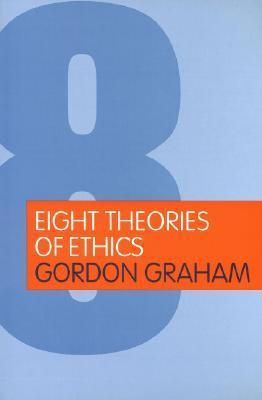
Eight Theories of Ethicsis a comprehensive introduction to the fundamental theories of ethics . Gordon Graham begins by introducing fundamental issues that underpin the concept of ethics, such as relativism and objectivity, before introducing eight major theories: * Egoism * Hedonism * Naturalism and Virtue Theory * Existentialism * Kantianism * Utilitarianism * Contractualism * Religion The author brings often abstract issues to life by drawing on examples from the great moral philosophers, including Plato, Aristotle, Hume, Mill, Nietzsche, Kant and Sartre. Contemporary examples, such as Darwinism, debates over human nature, the environment and citizenship are given.
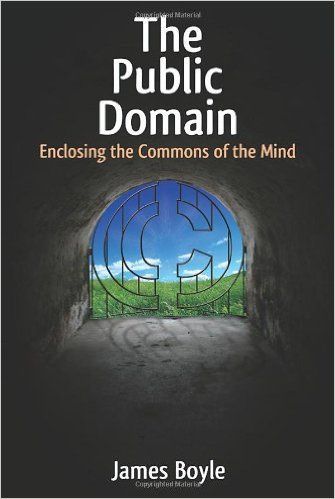
“In this enlightening book, James Boyle describes what he calls the range wars of the information age – today’s heated battles over intellectual property. Boyle argues that just as every informed citizen needs to know at least something about the environment and civil rights, every citizen should also understand intellectual property law. Why? Because intellectual property rights mark out the ground rules of the information society, and today’s policies are unbalanced, unsupported by evidence, and often detrimental to cultural access, free speech, digital creativity, and scientific innovation.” “Boyle identifies as a major problem the widespread failure to understand the importance of the public domain – the realm of material that everyone is free to use and share without permission or fee. The public domain is as vital to innovation and culture as the material protected by intellectual property rights, he asserts, and he calls for a movement akin to the environmental movement to preserve it. With a clear analysis of issues ranging from Jefferson’s philosophy of innovation to musical sampling, synthetic biology, and Internet file sharing, this timely book brings a positive new perspective to important cultural and legal debates. If we continue to enclose the “commons of the mind,” Boyle argues, we will all be the poorer.”–BOOK JACKET.
This remarkably rich collection of articles focuses on moral questions about war. The essays, originally published inPhilosophy & Public Affairs, cover a wide range of topics from several points of view by writers from the fields of political science, philosophy, and law. The discussion of war and moral responsibility falls into three general categories: problems of political and military choice, problems about the relation of an individual to the actions of his government, and more abstract ethical questions as well.The first category includes questions about the ethical and legal aspects of war crimes and the laws of war; about the source of moral restrictions on military methods or goals; and about differences in suitability of conduct which may depend on differences in the nature of the opponent. The second category includes questions about the conditions for responsibility of individual soldiers and civilian officials for war crimes, and about the proper attitude of a government toward potential conscripts who reject its military policies. The third category includes disputes between absolutist, deontological, and utilitarian ethical theories, and deals with questions about the existence of insoluble moral dilemmas
ما از اخلاق چه انتظاری داریم؟ این سوال شاید تاحدودی برای عموم مردم و یا متخصصان این رشته قابل پاسخ باشد؛ اینکه خوب بودن را به ما بیاموزد و در تنظیم روابط فردی م...

جشن کتاب تهران به ایستگاه سی و یکم رسیده است. حال و احوال نشر کتاب خوب نیست و باید فرهنگدوستان را به خرید و هدیه دادن کتاب ترغیب نمود. خانه اخلاقپژوهان جوان ب...

بنیاد کتابهای اخلاق اسلامی عمدتا پالایش جان از آلودگیها و آراستن آن به زیباییها است. اندیشه محوری این قبیل کتابها آن است که انسان فعلی آنی نیست که باید باشد...

-
0 Comments