Notice: تابع WP_Block_Type_Registry::register به طورنادرست فراخوانی شد. نامهای نوع بلوک نباید حروف بزرگ داشته باشند. لطفاً برای اطلاعات بیشتر، اشکال زدایی در وردپرس را مشاهده کنید. (این پیام در نگارش 5.0.0 افزوده شده است.) in /home/ethicsho/public_html/wp-includes/functions.php on line 5313
Warning: Use of undefined constant TDC_PATH_LEGACY - assumed 'TDC_PATH_LEGACY' (this will throw an Error in a future version of PHP) in /home/ethicsho/public_html/wp-content/plugins/td-composer/td-composer.php on line 109
Warning: Use of undefined constant TDSP_THEME_PATH - assumed 'TDSP_THEME_PATH' (this will throw an Error in a future version of PHP) in /home/ethicsho/public_html/wp-content/plugins/td-composer/td-composer.php on line 113 بایگانیهای QH371 .J34 1986 - خانه اخلاق پژوهان جوان Notice: Trying to access array offset on value of type bool in /home/ethicsho/public_html/wp-content/plugins/wp-ulike/inc/general-functions.php on line 807
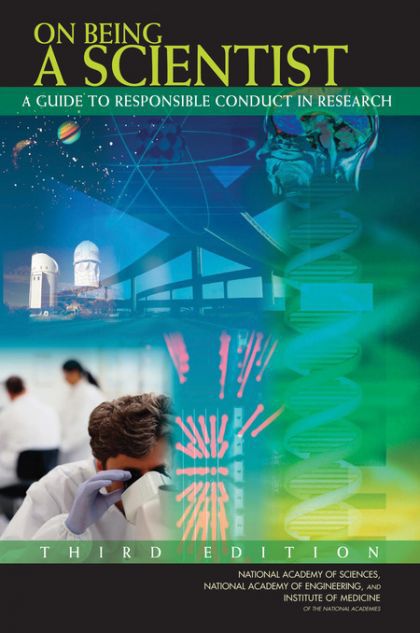
The scientific research enterprise is built on a foundation of trust. Scientists trust that the results reported by others are valid. Society trusts that the results of research reflect an honest attempt by scientists to describe the world accurately and without bias. But this trust will endure only if the scientific community devotes itself to exemplifying and transmitting the values associated with ethical scientific conduct. On Being a Scientist was designed to supplement the informal lessons in ethics provided by research supervisors and mentors. The book describes the ethical foundations of scientific practices and some of the personal and professional issues that researchers encounter in their work. It applies to all forms of research–whether in academic, industrial, or governmental settings-and to all scientific disciplines.
Brings together incredible true stories of ordinary people scarred by violence who refused to let hatred control their lives. Together they create an irrefutabale testimony to the power of forgiveness, one that willl challenge, inspire, and encourage others wherever they are on the road to healing.
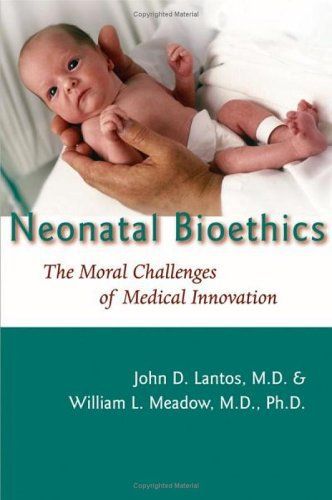
Neonatal intensive care has been one of the most morally controversial areas of medicine during the past thirty years. This study examines the interconnected development of four key aspects of neonatal intensive care: medical advances, ethical analysis, legal scrutiny, and econometric evaluation.The authors assert that a dramatic shift in societal attitudes toward newborns and their medical care was a stimulus for and then a result of developments in the medical care of newborns. They divide their analysis into three eras of neonatal intensive care. The first, characterized by the rapid advance of medical technology from the late 1960s to the Baby Doe case of 1982, established neonatal care as a legitimate specialty of medical care, separate from the rest of pediatrics and medicine. During this era, legal scholars and moral philosophers debated the relative importance of parental autonomy, clinical prognosis, and children’s rights. The second era, beginning with the Baby Doe case (a legal battle that spurred legislation mandating that infants with debilitating birth defects be treated unless the attending physician deems efforts to prolong life “futile”), stimulated efforts to establish a consistent federal standard on neonatal care decisions and raised important moral questions concerning the meaning of “futility” and of “inhumane” treatment. In the third era, a consistent set of decision-making criteria and policies was established. These policies were the result of the synergy and harmonization of newly agreed upon ethical principles and newly discovered epidemiological characteristics of neonatal care.Tracing the field’s recent history, notable advances, and considerable challenges yet to be faced, the authors present neonatal bioethics as a paradigm of complex conversation among physicians, philosophers, policy makers, judges, and legislators which has led to responsible societal oversight of a controversial medical innovation.
Film and literature have long been mined for interesting examples and case studies in order to teach biomedical ethics to students. This volume presents a collection of about 80 very brief, accessible essays written by international experts from medicine, social sciences, and the humanities, all of whom have experience using film in their teaching of medical ethics. Each essay focuses on a single scene and the ethical issues it raises, and the volume editors have provided strict guidelines for what each essay must do, while also allowing for some creative freedom. While some of the films are obvious candidates with medical themes — “Million Dollar Baby”, “The Diving Bell and the Butterfly” — some are novel choices, such as “Pan’s Labyrinth” or “As Good as it Gets”. The book will contain several general introductory chapters to major sections, and a complete filmography and cross-index at the end of the book where readers can look up individual films or ethical issues.
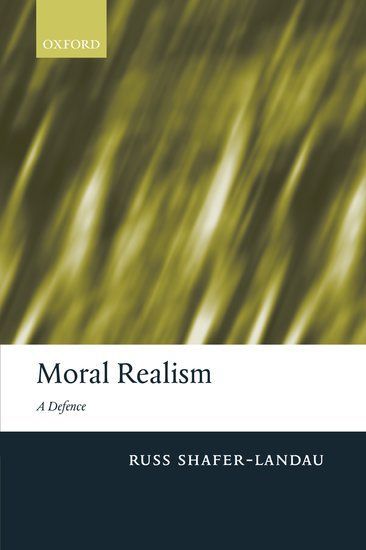
Moral Realism is a systematic defence of the idea that there are objective moral standards. Russ Shafer-Landau argues that there are moral principles that are true independently of what anyone, anywhere, happens to think of them. His central thesis, as well as the many novel supporting arguments used to defend it, will spark much controversy among those concerned with the foundations of ethics.
ما از اخلاق چه انتظاری داریم؟ این سوال شاید تاحدودی برای عموم مردم و یا متخصصان این رشته قابل پاسخ باشد؛ اینکه خوب بودن را به ما بیاموزد و در تنظیم روابط فردی م...

جشن کتاب تهران به ایستگاه سی و یکم رسیده است. حال و احوال نشر کتاب خوب نیست و باید فرهنگدوستان را به خرید و هدیه دادن کتاب ترغیب نمود. خانه اخلاقپژوهان جوان ب...

بنیاد کتابهای اخلاق اسلامی عمدتا پالایش جان از آلودگیها و آراستن آن به زیباییها است. اندیشه محوری این قبیل کتابها آن است که انسان فعلی آنی نیست که باید باشد...

-
0 Comments