Notice: تابع WP_Block_Type_Registry::register به طورنادرست فراخوانی شد. نامهای نوع بلوک نباید حروف بزرگ داشته باشند. لطفاً برای اطلاعات بیشتر، اشکال زدایی در وردپرس را مشاهده کنید. (این پیام در نگارش 5.0.0 افزوده شده است.) in /home/ethicsho/public_html/wp-includes/functions.php on line 5313
Warning: Use of undefined constant TDC_PATH_LEGACY - assumed 'TDC_PATH_LEGACY' (this will throw an Error in a future version of PHP) in /home/ethicsho/public_html/wp-content/plugins/td-composer/td-composer.php on line 109
Warning: Use of undefined constant TDSP_THEME_PATH - assumed 'TDSP_THEME_PATH' (this will throw an Error in a future version of PHP) in /home/ethicsho/public_html/wp-content/plugins/td-composer/td-composer.php on line 113 بایگانیهای Q1-390 - خانه اخلاق پژوهان جوان Notice: Trying to access array offset on value of type bool in /home/ethicsho/public_html/wp-content/plugins/wp-ulike/inc/general-functions.php on line 807
Alasdair MacIntyre argues that Freud’s conception of the unconscious is complicated by his tendency to use the term in two different ways. MacIntyre shows how Freud uses the term “unconscious” both as a straightforward description of psychological phenomena, and as an evaluative notion to explain the links between childhood events and adult behavior. This clarification helps to shed light on the many misunderstandings of psychoanalysis, and to separate out what is and what is not of lasting value in Freud’s account of the unconscious. This new edition includes a substantial new preface by the author, in which he discusses repression, determinism, transference, and “practical rationality,” and offers a rare comparison of Aristotle and Lacan on the concept of desire. MacIntyre takes the opportunity to reflect both on the reviews and criticisms of the first edition and also on his own philosophical stance.
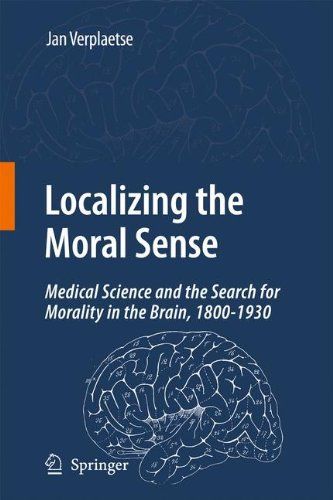
Due to the current revolution in brain research the search for the a oemoral braina became a serious endeavour. Nowadays, neural circuits that are indispensable for moral and social behaviour are discovered and the brains of psychopaths and criminals – the classical anti-heroes of morality – are scanned with curiosity, even enthusiasm. How revolutionary this current research might be, the quest for a localisable ethical centre or moral organ is far from new. The moral brain was a recurrent theme in the works of neuroscientists during the 19th and 20th century. From the phrenology era to the encephalitis pandemic in the 1920s a wide range of European and American scientists (neurologists, psychiatrists, anthropologists and criminologists) speculated about and discussed the location of a moral sense in the human cortex. Encouraged by medical discoveries and concerned by terrifying phenomena like crime or a oemoral insanitya (psychopathy) even renowned and outstanding neurologists, including Moritz Benedikt, Paul Flechsig, Arthur Van Gehuchten, Oskar Vogt or Constantin von Monakow, had the nerve to make their speculations public. This book presents the first overview of believers and disbelievers in a cerebral seat of human morality, their positions and arguments and offers an explanation for these historical attempts to localise our moral sense, in spite of the massive disapproving commentary launched by colleagues.
The UK Environmental Law Association (UKELA) holds a conference each year to bring together academics and practitioners,lawyers and environmental experts from other disciplines – within both science and social science. It is a unique event providing a forum for discussion of the most pressing issues of environmental regulation, and provides a unique combination of analysis and practical application. These articles, presented as papers at the Cardiff Conference in 2001, provide an accessible and informative collection addressing the conference theme of economics, ethics and the environment, including such issues as: how we can use traditional economic devices such as taxation, trading and insurance to assist in environmental regulation; how we treat and protect the natural world; how we might cope with the growing problem of waste; and how we should react to safeguard the environment in the face of risks and scientific uncertainties. The collection forms a topical and wide ranging discussion of key issues for legal practitioners, academics and students and will also be of great interest to a wider range of disciplines relating to the environment.
ما از اخلاق چه انتظاری داریم؟ این سوال شاید تاحدودی برای عموم مردم و یا متخصصان این رشته قابل پاسخ باشد؛ اینکه خوب بودن را به ما بیاموزد و در تنظیم روابط فردی م...

جشن کتاب تهران به ایستگاه سی و یکم رسیده است. حال و احوال نشر کتاب خوب نیست و باید فرهنگدوستان را به خرید و هدیه دادن کتاب ترغیب نمود. خانه اخلاقپژوهان جوان ب...

بنیاد کتابهای اخلاق اسلامی عمدتا پالایش جان از آلودگیها و آراستن آن به زیباییها است. اندیشه محوری این قبیل کتابها آن است که انسان فعلی آنی نیست که باید باشد...

-
0 Comments