Notice: تابع WP_Block_Type_Registry::register به طورنادرست فراخوانی شد. نامهای نوع بلوک نباید حروف بزرگ داشته باشند. لطفاً برای اطلاعات بیشتر، اشکال زدایی در وردپرس را مشاهده کنید. (این پیام در نگارش 5.0.0 افزوده شده است.) in /home/ethicsho/public_html/wp-includes/functions.php on line 5313
Warning: Use of undefined constant TDC_PATH_LEGACY - assumed 'TDC_PATH_LEGACY' (this will throw an Error in a future version of PHP) in /home/ethicsho/public_html/wp-content/plugins/td-composer/td-composer.php on line 109
Warning: Use of undefined constant TDSP_THEME_PATH - assumed 'TDSP_THEME_PATH' (this will throw an Error in a future version of PHP) in /home/ethicsho/public_html/wp-content/plugins/td-composer/td-composer.php on line 113 بایگانیهای KKX517.5 .P45 2003 - خانه اخلاق پژوهان جوان Notice: Trying to access array offset on value of type bool in /home/ethicsho/public_html/wp-content/plugins/wp-ulike/inc/general-functions.php on line 807
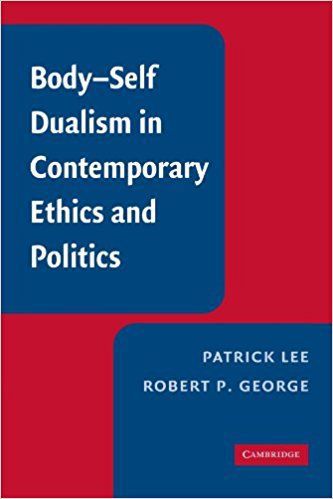
Book Summary of Body-Self Dualism In Contemporary Ethics And PoliticsProfoundly important ethical and political controversies turn on the question of whether biological life is an essential aspect of a human person, or only an extrinsic instrument. Lee and George argue that human beings are physical, animal organisms – albeit essentially rational and free – and examine the implications of this understanding of human beings for some of the most controversial issues in contemporary ethics and politics. The authors argue that human beings are animal organisms and that their personal identity across time consists in the persistence of the animal organisms they are; they also argue that human beings are essentially rational and free and that there is a radical difference between human beings and other animals; criticize hedonism and hedonistic drug-taking; present detailed defenses of the prolife positions on abortion and euthanasia; and defend the traditional moral position on marriage and sexual acts.
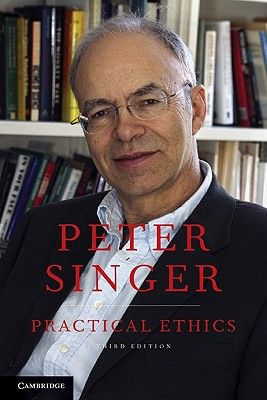
“For thirty years, Peter Singer’s Practical Ethics has been the classic introduction to applied ethics. For this third edition, the author has revised and updated all the chapters and added a new chapter addressing climate change, one of the most important ethical challenges of our generation. Some of the questions discussed in this book concern our daily lives. Is it ethical to buy luxuries when others do not have enough to eat? Should we buy meat from intensively reared animals? Am I doing something wrong if my carbon footprint is above the global average? Other questions confront us as concerned citizens: equality and discrimination on the grounds of race or sex; abortion, the use of embryos for research and euthanasia; political violence and terrorism; and the preservation of our planet’s environment. This book’s lucid style and provocative argumentsmake it an ideal text for university courses and for anyone willing to think about how she or he ought to live”–Provided by publisher.
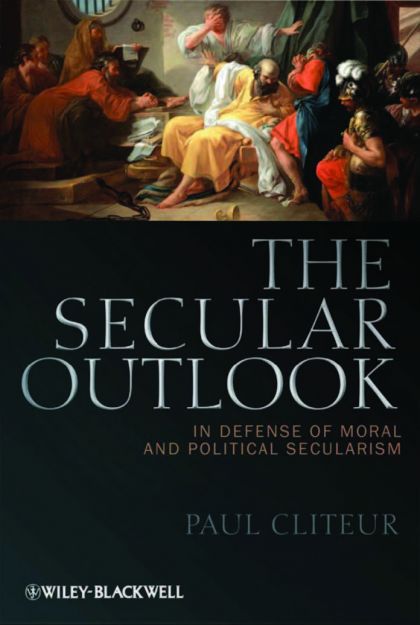
The Secular Outlook: In Defense of Moral and Political Secularism shows how people can live together and overcome the challenge of religious terrorism by adopting a “secular outlook” on life and politics. Shows how secularism can answer the problem of religious terrorism Provides new perspectives on how religious minorities can be integrated into liberal democracies Reveals how secularism has gained a new political and moral significance. Also examines such topics as atheism, religious criticism and free speech
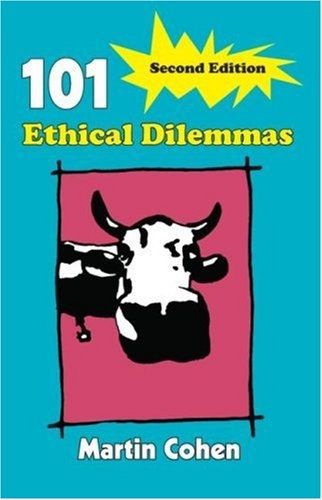
Will meat eaters get into heaven? Do trees have rights? Is it ever right to design a baby? What would you do? Would you always do the right thing? IS there a right thing? In this second edition of his thought-provoking and highly engaging introduction to ethics, Martin Cohen brings us eleven brand new ethical dilemmas including: The Dodgy Donor Clinic The Famous Footbridge Dilemma The Human Canonball. From overcrowded lifeboats to the censor’s pen, Martin Cohen’s stimulating and amusing dilemmas reveal the subtleties, complexities and contradictions that make up the rich tapestry of ethics. From DIY babies and breeding experiments to ‘Twinkies courtroom drama’ and Newgate Prison, there is a dilemma for everyone. Dilemmas from the worlds of medical, business, legal and war ethics; dilemmas in the shape of beautiful and ugly sisters, frogs, kings, ancient volcanic islands and suspiciously exotic villages. This book may not help you become a good person, but atleast you will have had a good think about it.
Suppose there is no God. This supposition implies that human life is meaningless, that there are no moral obligations and hence people can do whatever they want, and that the notions of virtue and vice, right and wrong, and good and evil have no place in the universe. Erik J. Wielenberg believes this view to be utterly erroneous and, in this thought-provoking book, he explains the reasons why. He argues that, even if God does not exist, human life can still have meaning, humans do have moral obligations, and human virtue is still possible. Wielenberg offers readers a cognent explanation of the ethical implications of naturalism–a view that denies the existence of the supernatural in human life. In his view virtue exists in a godless universe but it is significantly different from virtue in a Christian universe, and he develops naturalistic accounts of humility, charity, and hope. The overarching theme of Virtue and Value in a Godless Universe is what ethics might look like without God. Erik Wielenberg takes readers on an extraordinary tour of some of the central landmarks of this under-explored territory.
ما از اخلاق چه انتظاری داریم؟ این سوال شاید تاحدودی برای عموم مردم و یا متخصصان این رشته قابل پاسخ باشد؛ اینکه خوب بودن را به ما بیاموزد و در تنظیم روابط فردی م...

جشن کتاب تهران به ایستگاه سی و یکم رسیده است. حال و احوال نشر کتاب خوب نیست و باید فرهنگدوستان را به خرید و هدیه دادن کتاب ترغیب نمود. خانه اخلاقپژوهان جوان ب...

بنیاد کتابهای اخلاق اسلامی عمدتا پالایش جان از آلودگیها و آراستن آن به زیباییها است. اندیشه محوری این قبیل کتابها آن است که انسان فعلی آنی نیست که باید باشد...

-
0 Comments