Notice: تابع WP_Block_Type_Registry::register به طورنادرست فراخوانی شد. نامهای نوع بلوک نباید حروف بزرگ داشته باشند. لطفاً برای اطلاعات بیشتر، اشکال زدایی در وردپرس را مشاهده کنید. (این پیام در نگارش 5.0.0 افزوده شده است.) in /home/ethicsho/public_html/wp-includes/functions.php on line 5313
Warning: Use of undefined constant TDC_PATH_LEGACY - assumed 'TDC_PATH_LEGACY' (this will throw an Error in a future version of PHP) in /home/ethicsho/public_html/wp-content/plugins/td-composer/td-composer.php on line 109
Warning: Use of undefined constant TDSP_THEME_PATH - assumed 'TDSP_THEME_PATH' (this will throw an Error in a future version of PHP) in /home/ethicsho/public_html/wp-content/plugins/td-composer/td-composer.php on line 113 بایگانیهای HM24 .G447 1993 - خانه اخلاق پژوهان جوان Notice: Trying to access array offset on value of type bool in /home/ethicsho/public_html/wp-content/plugins/wp-ulike/inc/general-functions.php on line 807
The Groundwork of the Metaphysics of Morals is Kant’s central contribution to moral philosophy, and has inspired controversy ever since it was first published in 1785. Kant champions the insights of ‘common human understanding’ against what he sees as the dangerous perversions of ethical theory. Morality is revealed to be a matter of human autonomy: Kant locates the source of the ‘categorical imperative’ within each and every human will. However, he also portrays everyday morality in a way that many readers find difficult to accept. The Groundwork is a short book, but its argument is dense, intricate and at times treacherous. This commentary explains Kant’s arguments paragraph by paragraph, and also contains an introduction, a synopsis of the argument, six short interpretative essays on key topics of the Groundwork, and a glossary of key terms. It will be an indispensable tool for anyone wishing to study the Groundwork in detail.
Inspired by Howard Gruber’s Evolving Systems Approach, these studies explore creativity in several domains. The idea that the creative person embodies a system of loosely coupled sub-systems – knowledge, purpose, and affect that work together, is viewed here in different chapters that explore this concept. These include autobiographies of incarcerated youth, curricula for moral and civic responsibility, changing attitudes of readers to text (romance novels), as well as case studies of highly creative individuals, such as George Bernard Shaw. Gruber’s approach provides concepts as well as methodological tools which the authors apply to diverse creative processes. This book is a valuable resource for undergraduate as well as graduate level students interested in creativity, development and education. In addition to the intrinsic interest of each chapter, the guiding theme of the book is the underlying theory of creativity, Gruber’s Evolving Systems Approach, and illustrates the unusual breadth and flexibility of that theory.
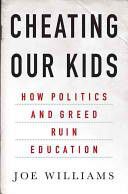
Journalist Joe Williams shows how parents can use consumer power to put children first, shining light on the special interests controlling our schools, where politics and pork infuse everything and our children’s education is compromised, . He argues that increased accountability and choice are necessary, and shows how the people can take back the education system, enhancing responsibility inherent in democracy. The solution is a new brand of hardball politics that demands competence from school leaders and shifts the power away from bureaucrats and union leaders to the people who have a the greatest reason to put kids first: concerned parents. With practical steps and uplifting examples of success, this is a manifesto to action.
These astute essays describe the way ordinary people value human relationships and reason through the commonplace contradictions of their local way of life in a global age, rather than measure the actions of their subjects as evidence of either universal rationality or shared cultural beliefs. Each contributor conveys the ways in which people challenge the ascribed moral standards of custom, religious belief, bureaucratic policies through passionate words such as anecdotes, joke, rumors, and gossip. By evaluating moral reasoning at a local level, contributors work to answer the question, what is a good life?
ما از اخلاق چه انتظاری داریم؟ این سوال شاید تاحدودی برای عموم مردم و یا متخصصان این رشته قابل پاسخ باشد؛ اینکه خوب بودن را به ما بیاموزد و در تنظیم روابط فردی م...

جشن کتاب تهران به ایستگاه سی و یکم رسیده است. حال و احوال نشر کتاب خوب نیست و باید فرهنگدوستان را به خرید و هدیه دادن کتاب ترغیب نمود. خانه اخلاقپژوهان جوان ب...

بنیاد کتابهای اخلاق اسلامی عمدتا پالایش جان از آلودگیها و آراستن آن به زیباییها است. اندیشه محوری این قبیل کتابها آن است که انسان فعلی آنی نیست که باید باشد...

-
0 Comments