Notice: تابع WP_Block_Type_Registry::register به طورنادرست فراخوانی شد. نامهای نوع بلوک نباید حروف بزرگ داشته باشند. لطفاً برای اطلاعات بیشتر، اشکال زدایی در وردپرس را مشاهده کنید. (این پیام در نگارش 5.0.0 افزوده شده است.) in /home/ethicsho/public_html/wp-includes/functions.php on line 5313
Warning: Use of undefined constant TDC_PATH_LEGACY - assumed 'TDC_PATH_LEGACY' (this will throw an Error in a future version of PHP) in /home/ethicsho/public_html/wp-content/plugins/td-composer/td-composer.php on line 109
Warning: Use of undefined constant TDSP_THEME_PATH - assumed 'TDSP_THEME_PATH' (this will throw an Error in a future version of PHP) in /home/ethicsho/public_html/wp-content/plugins/td-composer/td-composer.php on line 113 بایگانیهای BJ71 .H563 2011 - خانه اخلاق پژوهان جوان Notice: Trying to access array offset on value of type bool in /home/ethicsho/public_html/wp-content/plugins/wp-ulike/inc/general-functions.php on line 807
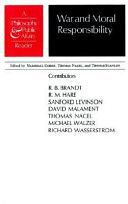
This remarkably rich collection of articles focuses on moral questions about war. The essays, originally published inPhilosophy & Public Affairs, cover a wide range of topics from several points of view by writers from the fields of political science, philosophy, and law. The discussion of war and moral responsibility falls into three general categories: problems of political and military choice, problems about the relation of an individual to the actions of his government, and more abstract ethical questions as well.The first category includes questions about the ethical and legal aspects of war crimes and the laws of war; about the source of moral restrictions on military methods or goals; and about differences in suitability of conduct which may depend on differences in the nature of the opponent. The second category includes questions about the conditions for responsibility of individual soldiers and civilian officials for war crimes, and about the proper attitude of a government toward potential conscripts who reject its military policies. The third category includes disputes between absolutist, deontological, and utilitarian ethical theories, and deals with questions about the existence of insoluble moral dilemmas
This clear, well-organized overview of theoretical ethics employs a contemporary tone and framework. Multicultural coverage and attention to college students’ moral development help readers relate the material to their own experience and their own moral growth. Both scholarly and practical, this text aims to significantly improve students’ ability to make real-life moral decisions.
A paradox can be defined as an unacceptable conclusion derived by apparently acceptable reasoning from apparently acceptable premises. Many paradoxes raise serious philosophical problems, and they are associated with crises of thought and revolutionary advances. The expanded and revised third edition of this intriguing book considers a range of knotty paradoxes including Zeno’s paradoxical claim that the runner can never overtake the tortoise, a new chapter on paradoxes about morals, paradoxes about belief, and hardest of all, paradoxes about truth. The discussion uses a minimum of technicality but also grapples with complicated and difficult considerations, and is accompanied by helpful questions designed to engage the reader with the arguments. The result is not only an explanation of paradoxes but also an excellent introduction to philosophical thinking.
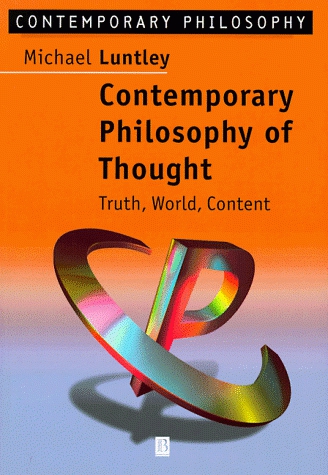
This lucid and engaging volume provides an introduction to the essential issues and concepts of contemporary analytic philosophy. It introduces students to the pivotal arguments that motivate work in the field, while arguing a definite point of view in a style that encourages discussion and debate. It develops a broadly Fregean methodology in which semantics is concerned with the concept of content required in rationalizing explanations of behaviour. Key problems and positions covered include: truth, meaning, and inference; arguments against the possibility of meaning; the realism/anti-realism debate, and the theory of inference.This text gives voice to the idea that the study of the philosophy of thought and language is more than a specialism, but rather lies at the very heart of the discipline.
ما از اخلاق چه انتظاری داریم؟ این سوال شاید تاحدودی برای عموم مردم و یا متخصصان این رشته قابل پاسخ باشد؛ اینکه خوب بودن را به ما بیاموزد و در تنظیم روابط فردی م...

جشن کتاب تهران به ایستگاه سی و یکم رسیده است. حال و احوال نشر کتاب خوب نیست و باید فرهنگدوستان را به خرید و هدیه دادن کتاب ترغیب نمود. خانه اخلاقپژوهان جوان ب...

بنیاد کتابهای اخلاق اسلامی عمدتا پالایش جان از آلودگیها و آراستن آن به زیباییها است. اندیشه محوری این قبیل کتابها آن است که انسان فعلی آنی نیست که باید باشد...

-
0 Comments