Notice: تابع WP_Block_Type_Registry::register به طورنادرست فراخوانی شد. نامهای نوع بلوک نباید حروف بزرگ داشته باشند. لطفاً برای اطلاعات بیشتر، اشکال زدایی در وردپرس را مشاهده کنید. (این پیام در نگارش 5.0.0 افزوده شده است.) in /home/ethicsho/public_html/wp-includes/functions.php on line 5313
Warning: Use of undefined constant TDC_PATH_LEGACY - assumed 'TDC_PATH_LEGACY' (this will throw an Error in a future version of PHP) in /home/ethicsho/public_html/wp-content/plugins/td-composer/td-composer.php on line 109
Warning: Use of undefined constant TDSP_THEME_PATH - assumed 'TDSP_THEME_PATH' (this will throw an Error in a future version of PHP) in /home/ethicsho/public_html/wp-content/plugins/td-composer/td-composer.php on line 113 بایگانیهای BJ1461 .L48 2011 - خانه اخلاق پژوهان جوان Notice: Trying to access array offset on value of type bool in /home/ethicsho/public_html/wp-content/plugins/wp-ulike/inc/general-functions.php on line 807
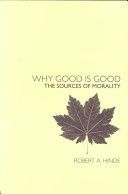
Where do our moral beliefs come from? Theologians and scientists provide often conflicting answers. Robert Hinde resolves these conflicts in offering a groundbreaking, multidisciplinary response, drawing on psychology, philosophy, evolutionary biology and social anthropology. Hinde argues that understanding the origins of our morality can clarify the debates surrounding contemporary ethical dilemmas such as genetic modification, increasing consumerism and globalization.
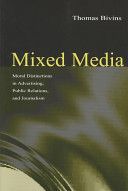
This text introduces readers to the tools necessary for making moral and ethical decisions regarding the use of mass media. The focus is on the three mass media industries most pervasive in today’s society: the news media (journalism), advertising, and public relations. In his exploration of ethical issues and media, author Thomas Bivins guides students to understand not what the “right” answers are, but to identify those answers that are most appropriate within the given context. Identifying those to whom the answers are the most appropriate is a major concern of this book. Readers come away with a greater appreciation for the complexities of making a moral decision and develop a personal “yardstick” by which to measure their decisions. The chapters in this text offer insights on: similarities and differences among the ethical dilemmas faced by the mass media; common ground on which to evaluate media behavior; media obligations; professional ethics; ethical theory and its application to the modern media; and considerations of truth and harm. This text has been developed for courses covering ethics in public relations, advertising, and journalism. Offering valuable lessons applicable to all forms of communication, Mixed Media serves as a critical starting point for understanding and developing answers to ethical questions. These lessons serve not only to better students’ ability to make ethical decisions, but also to better the media professions as they become practitioners in the mass media industry.
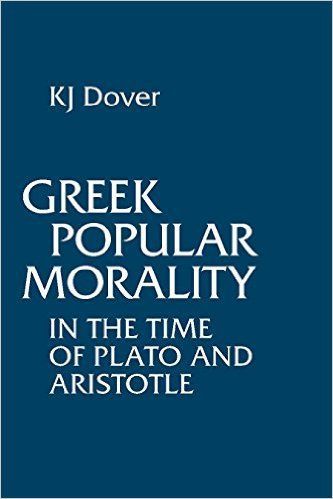
In ancient Greece, as today, popular moral attitudes differed importantly from the theories of moral philosophers. While for the latter we have Plato and Aristotle, this insightful work explores the everyday moral conceptions to which orators appealed in court and political assemblies, and which were reflected in non-philosophical literature. Oratory and comedy provide the primary testimony, and reference is also made to Sophocles, Euripides, Herodotus, Thucydides, Xenophon, and other sources. The selection of topics, the contrasts and comparisons with modern religious, social and legal principles, and accessibility to the non-specialist ensure the work’s appeal to all readers with an interest in ancient Greek culture and social life.
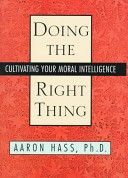
A psychologist and frequent television guest shows readers how to shore up their sense of right and wrong and communicate it to their children, outlining four universal moral principles and many real-life scenarios where right thinking is required.
ما از اخلاق چه انتظاری داریم؟ این سوال شاید تاحدودی برای عموم مردم و یا متخصصان این رشته قابل پاسخ باشد؛ اینکه خوب بودن را به ما بیاموزد و در تنظیم روابط فردی م...

جشن کتاب تهران به ایستگاه سی و یکم رسیده است. حال و احوال نشر کتاب خوب نیست و باید فرهنگدوستان را به خرید و هدیه دادن کتاب ترغیب نمود. خانه اخلاقپژوهان جوان ب...

بنیاد کتابهای اخلاق اسلامی عمدتا پالایش جان از آلودگیها و آراستن آن به زیباییها است. اندیشه محوری این قبیل کتابها آن است که انسان فعلی آنی نیست که باید باشد...

-
0 Comments