Notice: تابع WP_Block_Type_Registry::register به طورنادرست فراخوانی شد. نامهای نوع بلوک نباید حروف بزرگ داشته باشند. لطفاً برای اطلاعات بیشتر، اشکال زدایی در وردپرس را مشاهده کنید. (این پیام در نگارش 5.0.0 افزوده شده است.) in /home/ethicsho/public_html/wp-includes/functions.php on line 5313
Warning: Use of undefined constant TDC_PATH_LEGACY - assumed 'TDC_PATH_LEGACY' (this will throw an Error in a future version of PHP) in /home/ethicsho/public_html/wp-content/plugins/td-composer/td-composer.php on line 109
Warning: Use of undefined constant TDSP_THEME_PATH - assumed 'TDSP_THEME_PATH' (this will throw an Error in a future version of PHP) in /home/ethicsho/public_html/wp-content/plugins/td-composer/td-composer.php on line 113 بایگانیهای BJ1188 .E825 1999 - خانه اخلاق پژوهان جوان Notice: Trying to access array offset on value of type bool in /home/ethicsho/public_html/wp-content/plugins/wp-ulike/inc/general-functions.php on line 807
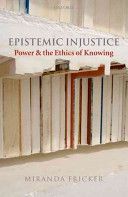
In this exploration of new territory between ethics and epistemology, Miranda Fricker argues that there is a distinctively epistemic type of injustice, in which someone is wronged specifically in their capacity as a knower. Justice is one of the oldest and most central themes in philosophy, but in order to reveal the ethical dimension of our epistemic practices the focus must shift to injustice. Fricker adjusts the philosophical lens so that we see through to the negative space that is epistemic injustice. The book explores two different types of epistemic injustice, each driven by a form of prejudice, and from this exploration comes a positive account of two corrective ethical-intellectual virtues. The characterization of these phenomena casts light on many issues, such as social power, prejudice, virtue, and the genealogy of knowledge, and it proposes a virtue epistemological account of testimony. In this ground-breaking book, the entanglements of reason and social power are traced in a new way, to reveal the different forms of epistemic injustice and their place in the broad pattern of social injustice.
Max Weber�2s The Protestant Ethic and the Spirit of Capitalism continues to be one of the most influential texts in the sociology of modern Western societies. Although Weber never produced the further essays with which he intended to extend the study, he did complete four lengthy Replies to reviews of the text by two German historians. Written between 1907 and 1910, the Replies offer a fascinating insight into Weber�2s intentions in the original study, and the present volume is the first complete translation of all four Replies in English.
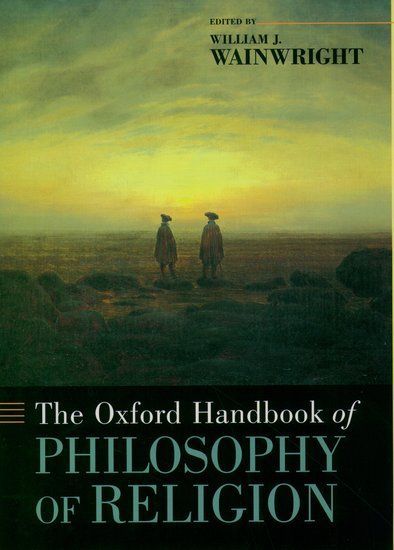
The philosophy of religion as a distinct discipline is an innovation of the last two hundred years, but its central topics–the existence and nature of the divine, humankind’s relation to it, the nature of religion and its place in human life–have been with us since the inception ofphilosophy. Philosophers have long critically examined the truth of (and rational justification for) religious claims, and have explored such philosophically interesting phenomena as faith, religious experience and the distinctive features of religious discourse. The second half of thetwentieth-century has been an especially fruitful period, with philosophers using new developments in logic and epistemology to mount both sophisticated defenses of, and attacks on, religious claims. The Oxford Handbook of Philosophy of Religion contains newly commissioned chapters by 21 prominent experts who cover the field in a comprehensive but accessible manner. Each chapter is expository, critical, and representative of a distinctive viewpoint. The Handbook is divided into two sections.The first, “Problems,” covers the most frequently discussed topics, among them arguments for God’s existence, the problem of evil, and religious epistemology. The second is called “Approaches” and contains four essays assessing the advantages and disadvantages of different methods of practicingphilosophy of religion. The Handbook offers contributors of high stature who present substantive and in-depth treatment of the most central topics. It is a must-have reference for anyone with an interest in philosophy and religion.
ما از اخلاق چه انتظاری داریم؟ این سوال شاید تاحدودی برای عموم مردم و یا متخصصان این رشته قابل پاسخ باشد؛ اینکه خوب بودن را به ما بیاموزد و در تنظیم روابط فردی م...

جشن کتاب تهران به ایستگاه سی و یکم رسیده است. حال و احوال نشر کتاب خوب نیست و باید فرهنگدوستان را به خرید و هدیه دادن کتاب ترغیب نمود. خانه اخلاقپژوهان جوان ب...

بنیاد کتابهای اخلاق اسلامی عمدتا پالایش جان از آلودگیها و آراستن آن به زیباییها است. اندیشه محوری این قبیل کتابها آن است که انسان فعلی آنی نیست که باید باشد...

-
0 Comments