Notice: تابع WP_Block_Type_Registry::register به طورنادرست فراخوانی شد. نامهای نوع بلوک نباید حروف بزرگ داشته باشند. لطفاً برای اطلاعات بیشتر، اشکال زدایی در وردپرس را مشاهده کنید. (این پیام در نگارش 5.0.0 افزوده شده است.) in /home/ethicsho/public_html/wp-includes/functions.php on line 5313
Warning: Use of undefined constant TDC_PATH_LEGACY - assumed 'TDC_PATH_LEGACY' (this will throw an Error in a future version of PHP) in /home/ethicsho/public_html/wp-content/plugins/td-composer/td-composer.php on line 109
Warning: Use of undefined constant TDSP_THEME_PATH - assumed 'TDSP_THEME_PATH' (this will throw an Error in a future version of PHP) in /home/ethicsho/public_html/wp-content/plugins/td-composer/td-composer.php on line 113 بایگانیهای BJ1012 .D263 1993 - خانه اخلاق پژوهان جوان Notice: Trying to access array offset on value of type bool in /home/ethicsho/public_html/wp-content/plugins/wp-ulike/inc/general-functions.php on line 807
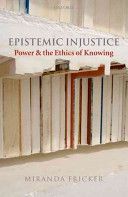
In this exploration of new territory between ethics and epistemology, Miranda Fricker argues that there is a distinctively epistemic type of injustice, in which someone is wronged specifically in their capacity as a knower. Justice is one of the oldest and most central themes in philosophy, but in order to reveal the ethical dimension of our epistemic practices the focus must shift to injustice. Fricker adjusts the philosophical lens so that we see through to the negative space that is epistemic injustice. The book explores two different types of epistemic injustice, each driven by a form of prejudice, and from this exploration comes a positive account of two corrective ethical-intellectual virtues. The characterization of these phenomena casts light on many issues, such as social power, prejudice, virtue, and the genealogy of knowledge, and it proposes a virtue epistemological account of testimony. In this ground-breaking book, the entanglements of reason and social power are traced in a new way, to reveal the different forms of epistemic injustice and their place in the broad pattern of social injustice.
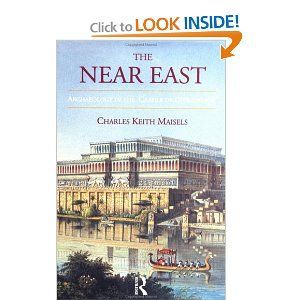
The land between the twin rivers, Tigris and Euphrates, provided ideal conditions for the growth of civilization. Fertile soil, a warm sun, and a secure supply of water were the raw materials for a succession of urban cultures. Yet until the last century, the cities of Ur of the Chaldees, Babylon, and a host of lesser city-states were almost mythical names–places lost in the desert, inaccessible in a distant province of the Ottoman Empire. Through a succession of archaeological triumphs, recounted in this book, the civilizations of the “land between the rivers” was rediscovered. However, the archaeologists, almost overwhelmed by a profusion of excavated material, rebuilt their own myths of Mesopotamian cultures. Charles Maisels follows the course of discovery over more than a century.
A top Fortune 500 sales trainer shows how to transform the ugly truth into beautiful sales No Lie–Truth Is the Ultimate Sales Tool introduces salespeople to a powerful new approach to winning customers’ trust instantly and selling more, more, more. Drawing upon his years of experience training sales forces at Xerox, American Express, PepsiCo, Verizon, and other top shops worldwide, guru Barry Maher explains why the most effective salespeople know how to transform their product or service’s negatives into positive selling points, or even bragging points. Using fascinating and instructive real-world examples, he describes six proven strategies that let readers: Win customer trust, instantly, by telling the whole truth about a product Use that trust to transform a negative into a powerful selling point Compare a product’s shortcomings with a competitor’s advantages and come out on top Convince potential customers that a product’s negatives translate into greater success and satisfaction
The Nineteenth Century provides a broad, scholarly introduction to nineteenth-century philosophy. It also contains a glossary of philosophical terms and a chronological table of philosophical and cultural events.
ما از اخلاق چه انتظاری داریم؟ این سوال شاید تاحدودی برای عموم مردم و یا متخصصان این رشته قابل پاسخ باشد؛ اینکه خوب بودن را به ما بیاموزد و در تنظیم روابط فردی م...

جشن کتاب تهران به ایستگاه سی و یکم رسیده است. حال و احوال نشر کتاب خوب نیست و باید فرهنگدوستان را به خرید و هدیه دادن کتاب ترغیب نمود. خانه اخلاقپژوهان جوان ب...

بنیاد کتابهای اخلاق اسلامی عمدتا پالایش جان از آلودگیها و آراستن آن به زیباییها است. اندیشه محوری این قبیل کتابها آن است که انسان فعلی آنی نیست که باید باشد...

-
0 Comments