Notice: تابع WP_Block_Type_Registry::register به طورنادرست فراخوانی شد. نامهای نوع بلوک نباید حروف بزرگ داشته باشند. لطفاً برای اطلاعات بیشتر، اشکال زدایی در وردپرس را مشاهده کنید. (این پیام در نگارش 5.0.0 افزوده شده است.) in /home/ethicsho/public_html/wp-includes/functions.php on line 5313
Warning: Use of undefined constant TDC_PATH_LEGACY - assumed 'TDC_PATH_LEGACY' (this will throw an Error in a future version of PHP) in /home/ethicsho/public_html/wp-content/plugins/td-composer/td-composer.php on line 109
Warning: Use of undefined constant TDSP_THEME_PATH - assumed 'TDSP_THEME_PATH' (this will throw an Error in a future version of PHP) in /home/ethicsho/public_html/wp-content/plugins/td-composer/td-composer.php on line 113 بایگانیهای BH301.I55 .S38 1990 - خانه اخلاق پژوهان جوان Notice: Trying to access array offset on value of type bool in /home/ethicsho/public_html/wp-content/plugins/wp-ulike/inc/general-functions.php on line 807
Enlightenment philosophers are often credited with formulating many theories about humankind and society, and in our post-modern age, we still live with some of the very same compelling, contentious and often unresolved questions about ourselves and the world we live in. Author Aubrey Neal suggests that one of these issues that lingers with us today is scepticism, and in ‘How Skeptics do Ethics’, he unravels the thread of this philosophy from its origins in enlightenment thinking down to our present age. He contends that linguistics and language have not brought modern philosophy any closer to understanding the role and nature of ethics in our current science-based society. Going further, Neal suggests the contemporary reader meets traditional terms for ethical theory, plausible belief and moral action in a different world from the one in which they were coined. Instead, these considerations for modern thinkers require a coherent language practice suitable for the social context in which we live, and thus raise the question of the meaning of old philosophical debates and their value for our society today. Referencing such luminary thinkers as Hume, Kant, and Hegel, Neal seeks to re-ignite age old questions and awaken the reader to a sense that our contemporary modes of reference and understanding should be seen from a substantially different point of view. Challenging, bracing, and entirely unflinching, ‘How Skeptics do Ethics’ is a wake-up call for anyone who thinks seriously about our society, ourselves, and the world in which we live.
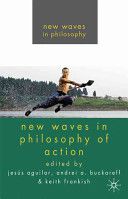
This volume contains a set of state-of-the-art essays by younger philosophers on various topics in the philosophy of action. Some of the essays are about the metaphysics of action and agency; some consider the nature of autonomy and free agency; some explore conceptual and normative issues, some draw on data from psychology and psychopathology. But what all of them have in common is that they address some problem related to our existence as human agents. The range of topics covered is this collection is broad. This is intentional. Rather than focus on one narrow topic in the philosophy of action, this volume brings together papers that, taken together, introduce readers to some key debates in contemporary philosophy of action. Readers new to the field should come away from the volume with a good sense of the state-of-the-art with respect to current thinking about human action and agency. For their part, established researchers in the field will find the essays to be original contributions that substantially advance many debates about action and agency.
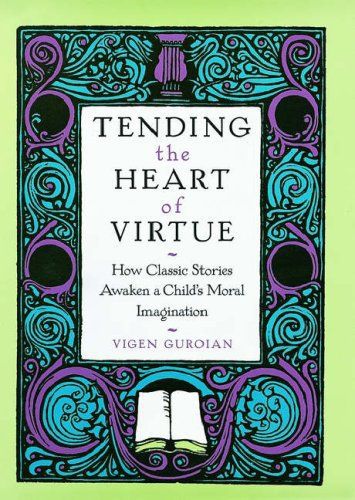
As the popularity of William Bennett’s Book of Virtues attests, parents are turning more and more to children’s literature to help instill values in their kids. Now, in this elegantly written and passionate book, Vigen Guroian provides the perfect complement to books such as Bennett’s, offering parents and teachers a much-needed roadmap to some of our finest children’s stories. Guroian illuminates the complex ways in which fairy tales and fantasies educate the moral imagination from earliest childhood. Examining a wide range of stories–from “Pinocchio” and “The Little Mermaid” to “Charlotte’s Web,” “The Velveteen Rabbit,” “The Wind in the Willows,” and the “Chronicles of Narnia”–he argues that these tales capture the meaning of morality through vivid depictions of the struggle between good and evil, in which characters must make difficult choices between right and wrong, or heroes and villains contest the very fate of imaginary worlds. Character and the virtues are depicted compellingly in these stories; the virtues glimmer as if in a looking glass, and wickedness and deception are unmasked of their pretensions to goodness and truth. We are made to face the unvarnished truth about ourselves, and what kind of people we want to be. Throughout, Guroian highlights the classical moral virtues such as courage, goodness, and honesty, especially as they are understood in traditional Christianity. At the same time, he so persuasively evokes the enduring charm of these familiar works that many readers will be inspired to reread their favorites and explore those they may have missed.
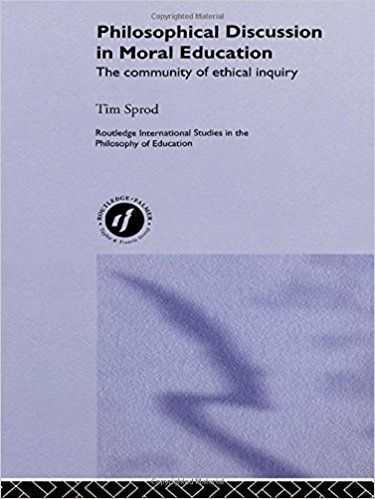
In recent years there has been an increase in the number of calls for moral education to receive greater public attention. In our pluralist society, however, it is difficult to find agreement on what exactly moral education requires. Philosophical Discussion in Moral Education develops a detailed philosophical defence of the claim that teachers should engage students in ethical discussions to promote moral competence and strengthen moral character. Paying particular attention to the teacher’s role, this book highlights the justification for, and methods of, creating a classroom community of ethical inquiry.
ما از اخلاق چه انتظاری داریم؟ این سوال شاید تاحدودی برای عموم مردم و یا متخصصان این رشته قابل پاسخ باشد؛ اینکه خوب بودن را به ما بیاموزد و در تنظیم روابط فردی م...

جشن کتاب تهران به ایستگاه سی و یکم رسیده است. حال و احوال نشر کتاب خوب نیست و باید فرهنگدوستان را به خرید و هدیه دادن کتاب ترغیب نمود. خانه اخلاقپژوهان جوان ب...

بنیاد کتابهای اخلاق اسلامی عمدتا پالایش جان از آلودگیها و آراستن آن به زیباییها است. اندیشه محوری این قبیل کتابها آن است که انسان فعلی آنی نیست که باید باشد...

-
0 Comments