Notice: تابع WP_Block_Type_Registry::register به طورنادرست فراخوانی شد. نامهای نوع بلوک نباید حروف بزرگ داشته باشند. لطفاً برای اطلاعات بیشتر، اشکال زدایی در وردپرس را مشاهده کنید. (این پیام در نگارش 5.0.0 افزوده شده است.) in /home/ethicsho/public_html/wp-includes/functions.php on line 5313
Warning: Use of undefined constant TDC_PATH_LEGACY - assumed 'TDC_PATH_LEGACY' (this will throw an Error in a future version of PHP) in /home/ethicsho/public_html/wp-content/plugins/td-composer/td-composer.php on line 109
Warning: Use of undefined constant TDSP_THEME_PATH - assumed 'TDSP_THEME_PATH' (this will throw an Error in a future version of PHP) in /home/ethicsho/public_html/wp-content/plugins/td-composer/td-composer.php on line 113 بایگانیهای BD232 .P4 - خانه اخلاق پژوهان جوان Notice: Trying to access array offset on value of type bool in /home/ethicsho/public_html/wp-content/plugins/wp-ulike/inc/general-functions.php on line 807
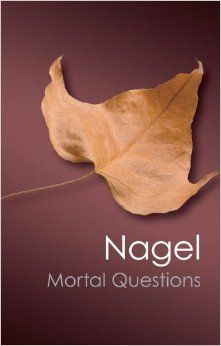
Thomas Nagel’s Mortal Questions explores some fundamental issues concerning the meaning, nature and value of human life. Questions about our attitudes to death, sexual behaviour, social inequality, war and political power are shown to lead to more obviously philosophical problems about personal identity, consciousness, freedom, and value. This original and illuminating book aims at a form of understanding that is both theoretical and personal in its lively engagement with what are literally issues of life and death.
Singer suggests that people who take an ethical approach to life often avoid the trap of meaninglessness, finding a deeper satisfaction in what they are doing than those people whose goals are narrower and more self-centered. He spells out what he means by an ethical approach to life and shows that it can bring about significant and far-reaching changes to one’s life. How Are We to Live? explores the way in which standard contemporary assumptions about human nature and self-interest have led to a world that is fraught with social and environmental problems. Singer asks whether selfishness is in our genes and concludes that we do not have to accept the bleak view of human nature sometimes believed to be inevitable, given our evolutionary origins.
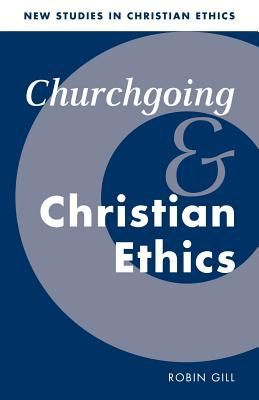
Robin Gill argues that once moral communities (such as churchgoers) take centre stage in ethics – as they do in virtue ethics – then there should be a greater interest in sociological evidence about these communities. This book examines recent evidence, gathered from social attitude surveys, about church communities, in particular their views on faith, moral order and love. It shows that churchgoers are distinctive in their attitudes and behaviour. Some of their attitudes change over time, and there are a number of obvious moral disagreements between different groups of churchgoers. Nonetheless, there are broad patterns of Christian beliefs, teleology and altruism which distinguish churchgoers as a whole from non-churchgoers. However, the values, virtues, moral attitudes and behaviour of churchgoers are shared by many other people as well. The distinctiveness of church communities in the modern world is thus real but relative, and is crucial for the task of Christian ethics.
Most contemporary scholarly visions of moral identity in higher education suggest moral education in the university should deal primarily with a person’s professional or political identity instead of the overall ordering and enriching of a person’s various identities and the moral commitments that stem from them. In contrast, Glanzer and Ream argue that a more human moral education takes place within a university committed to a moral tradition that can set forth a comprehensive moral ideal for the university and its students about human well-being.
ما از اخلاق چه انتظاری داریم؟ این سوال شاید تاحدودی برای عموم مردم و یا متخصصان این رشته قابل پاسخ باشد؛ اینکه خوب بودن را به ما بیاموزد و در تنظیم روابط فردی م...

جشن کتاب تهران به ایستگاه سی و یکم رسیده است. حال و احوال نشر کتاب خوب نیست و باید فرهنگدوستان را به خرید و هدیه دادن کتاب ترغیب نمود. خانه اخلاقپژوهان جوان ب...

بنیاد کتابهای اخلاق اسلامی عمدتا پالایش جان از آلودگیها و آراستن آن به زیباییها است. اندیشه محوری این قبیل کتابها آن است که انسان فعلی آنی نیست که باید باشد...

-
0 Comments