Notice: تابع WP_Block_Type_Registry::register به طورنادرست فراخوانی شد. نامهای نوع بلوک نباید حروف بزرگ داشته باشند. لطفاً برای اطلاعات بیشتر، اشکال زدایی در وردپرس را مشاهده کنید. (این پیام در نگارش 5.0.0 افزوده شده است.) in /home/ethicsho/public_html/wp-includes/functions.php on line 5313
Warning: Use of undefined constant TDC_PATH_LEGACY - assumed 'TDC_PATH_LEGACY' (this will throw an Error in a future version of PHP) in /home/ethicsho/public_html/wp-content/plugins/td-composer/td-composer.php on line 109
Warning: Use of undefined constant TDSP_THEME_PATH - assumed 'TDSP_THEME_PATH' (this will throw an Error in a future version of PHP) in /home/ethicsho/public_html/wp-content/plugins/td-composer/td-composer.php on line 113 بایگانیهای BD222 .S73 2005 - خانه اخلاق پژوهان جوان Notice: Trying to access array offset on value of type bool in /home/ethicsho/public_html/wp-content/plugins/wp-ulike/inc/general-functions.php on line 807
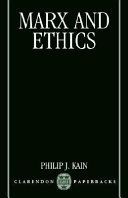
This book traces the development of Marx’s ethics as they underwent various shifts and changes during different periods of his thought. In his early writings, his ethics were based on a concept of essence much like Aristotle’s, which Marx tried to link to a principle of universalization similar to Kant’s “categorical imperative.” In the period 1845-46, Marx abandoned this view, holding morality to be incompatible with his historical materialism. In the later work he was less of a determinist. Though he no longer wished to reject morality, he did want to transcend a morality of burdensome obligation and constraint in order to realize a community built upon spontaneous bonds of solidarity.
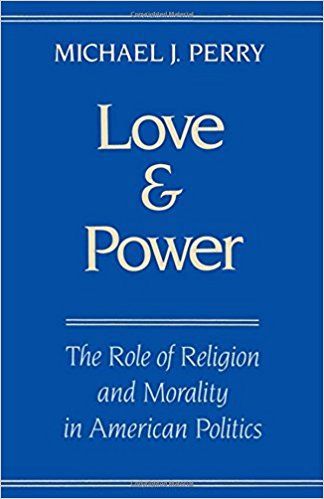
In this sequel to his Morality, Politics, and Law, Michael Perry addresses the proper relation of moral convictions to the politics of a morally pluralistic society. While his analysis focuses on religious morality, Perry’s argument applies to morality generally. Contending that no justification of a contested political choice can be neutral among competing conceptions of human good, the author develops an ideal of “ecumenical politics” in which moral convictions about human good can be brought to bear in a productive way in political argument.
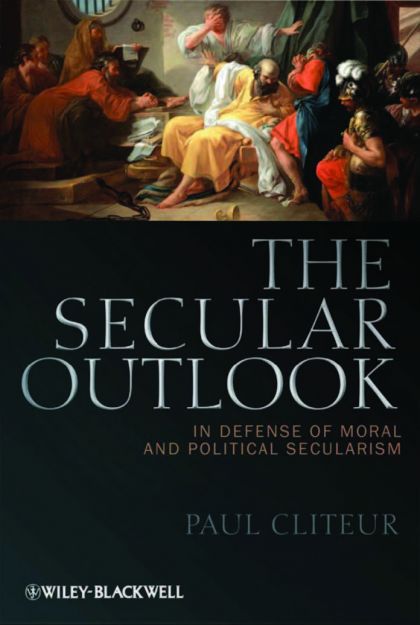
The Secular Outlook: In Defense of Moral and Political Secularism shows how people can live together and overcome the challenge of religious terrorism by adopting a “secular outlook” on life and politics. Shows how secularism can answer the problem of religious terrorism Provides new perspectives on how religious minorities can be integrated into liberal democracies Reveals how secularism has gained a new political and moral significance. Also examines such topics as atheism, religious criticism and free speech
ما از اخلاق چه انتظاری داریم؟ این سوال شاید تاحدودی برای عموم مردم و یا متخصصان این رشته قابل پاسخ باشد؛ اینکه خوب بودن را به ما بیاموزد و در تنظیم روابط فردی م...

جشن کتاب تهران به ایستگاه سی و یکم رسیده است. حال و احوال نشر کتاب خوب نیست و باید فرهنگدوستان را به خرید و هدیه دادن کتاب ترغیب نمود. خانه اخلاقپژوهان جوان ب...

بنیاد کتابهای اخلاق اسلامی عمدتا پالایش جان از آلودگیها و آراستن آن به زیباییها است. اندیشه محوری این قبیل کتابها آن است که انسان فعلی آنی نیست که باید باشد...

-
0 Comments