Notice: تابع WP_Block_Type_Registry::register به طورنادرست فراخوانی شد. نامهای نوع بلوک نباید حروف بزرگ داشته باشند. لطفاً برای اطلاعات بیشتر، اشکال زدایی در وردپرس را مشاهده کنید. (این پیام در نگارش 5.0.0 افزوده شده است.) in /home/ethicsho/public_html/wp-includes/functions.php on line 5313
Warning: Use of undefined constant TDC_PATH_LEGACY - assumed 'TDC_PATH_LEGACY' (this will throw an Error in a future version of PHP) in /home/ethicsho/public_html/wp-content/plugins/td-composer/td-composer.php on line 109
Warning: Use of undefined constant TDSP_THEME_PATH - assumed 'TDSP_THEME_PATH' (this will throw an Error in a future version of PHP) in /home/ethicsho/public_html/wp-content/plugins/td-composer/td-composer.php on line 113 بایگانیهای BD221 .B34 2004 - خانه اخلاق پژوهان جوان Notice: Trying to access array offset on value of type bool in /home/ethicsho/public_html/wp-content/plugins/wp-ulike/inc/general-functions.php on line 807
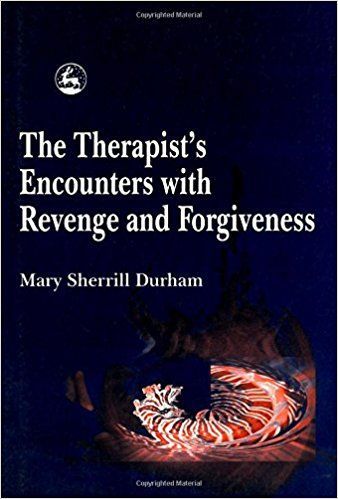
Explores concepts of vengeance, revenge fantasies, and the granting or withholding of forgiveness as they are manifested to the therapist during treatment. Argues that revenge is usually expressed in one of two ways, and categorizes patients into two archetypes: the Exploited- Repressive Individual and the Vindictive Character. Includes separate chapters on revenge and forgiveness as they are expressed by children and adolescents, and by offenders.
Book Summary of Aristotle And Moral RealismThis volume of essays brings together scholars of ancient philosophy and some of today’s most distinguished moral philosophers to discuss Aristotle’s ethics and the problems of moral realism. One of the central and perennial philosophical problems is the question of whether our ethical assertions and beliefs can be justifiably claimed to rest on some objective foundation. As an upholder of the objectivity of ethics and as one of the most important ethical thinkers in the history of philosophy, Aristotle’s writings on these questions are of the greatest interest. Indeed, much of recent moral philosophy has looked directly to Aristotle for inspiration on the problem of moral objectivity. For example, “virtue theorists” were influenced by Aristotle in their proposal that what determines the right thing to do in a particular case is what the virtuous man would do. Similarly, “sensibility theorists” have found support for their view in Aristotle’s remarks about the importance of the conditioning of one’s desires for the development of virtue and knowledge about the human good. One of the central issues addressed by the contributors is whether it is wrong to believe that the justification of a moral claim requires an “external” validation which goes beyond reference to human practices of moral condemnation and approval. Or does moral objectivity require ethical discourse to have an origin and explanatory power similar in important respects to that of an empirical science? The contributors range over many other issues and areas of Aristotle’s philosophy, including his account of tragedy and his theory of justice. It will be welcomed by all philosophers and classicists with an interest in moral philosophy and Greek ethics..
“Thoreau’s Living Ethics is the first full, rigorous account of Henry Thoreau’s ethical philosophy. Focused on “Walden but ranging widely across his writings, the study situates Thoreau within a long tradition of ethical thinking in the West, from the ancients to the romantics and on to the present day. Philip Cafaro shows Thoreau grappling with important ethical questions that agitated his own society and discusses his value for those seeking to understand contemporary ethical issues. Cafaro’s particular interest is in Thoreau’s treatment of virtue ethics: the branch of ethics centered on personal and social flourishing. Ranging across the central elements of Thoreau’s philosophy–life, virtue, economy, solitude and society, nature, and politics–Cafaro shows Thoreau developing a comprehensive virtue ethics, less based in ancient philosophy than many recent efforts and more grounded in modern life and experience. He presents Thoreau’s evolutionary, experimental ethics as superior to the more static foundational efforts of current virtue ethicists. Another main focus is Thoreau’s environmental ethics. The book shows Thoreau not only anticipating recent arguments for wild nature’s intrinsic value, but also demonstrating how a personal connection to nature furthers self-development, moral character, knowledge, and creativity. Thoreau’s life and writings, argues Cafaro, present a positive, life-affirming environmental ethics, combining respect and restraint with an appreciation for human possibilities for flourishing within nature.
ما از اخلاق چه انتظاری داریم؟ این سوال شاید تاحدودی برای عموم مردم و یا متخصصان این رشته قابل پاسخ باشد؛ اینکه خوب بودن را به ما بیاموزد و در تنظیم روابط فردی م...

جشن کتاب تهران به ایستگاه سی و یکم رسیده است. حال و احوال نشر کتاب خوب نیست و باید فرهنگدوستان را به خرید و هدیه دادن کتاب ترغیب نمود. خانه اخلاقپژوهان جوان ب...

بنیاد کتابهای اخلاق اسلامی عمدتا پالایش جان از آلودگیها و آراستن آن به زیباییها است. اندیشه محوری این قبیل کتابها آن است که انسان فعلی آنی نیست که باید باشد...

-
0 Comments