Notice: تابع WP_Block_Type_Registry::register به طورنادرست فراخوانی شد. نامهای نوع بلوک نباید حروف بزرگ داشته باشند. لطفاً برای اطلاعات بیشتر، اشکال زدایی در وردپرس را مشاهده کنید. (این پیام در نگارش 5.0.0 افزوده شده است.) in /home/ethicsho/public_html/wp-includes/functions.php on line 5313
Warning: Use of undefined constant TDC_PATH_LEGACY - assumed 'TDC_PATH_LEGACY' (this will throw an Error in a future version of PHP) in /home/ethicsho/public_html/wp-content/plugins/td-composer/td-composer.php on line 109
Warning: Use of undefined constant TDSP_THEME_PATH - assumed 'TDSP_THEME_PATH' (this will throw an Error in a future version of PHP) in /home/ethicsho/public_html/wp-content/plugins/td-composer/td-composer.php on line 113 بایگانیهای BD161 .K563 2006 - خانه اخلاق پژوهان جوان Notice: Trying to access array offset on value of type bool in /home/ethicsho/public_html/wp-content/plugins/wp-ulike/inc/general-functions.php on line 807
This narrative about two boys from different backgrounds touches on family, forgiveness, sport, and making peace with tragedy. Dan Snyder was not a sure thing in professional hockey, but defied expectations—playing for both the minor league’s Chicago Wolves and the NHL’s Atlanta Thrashers. Dany Heatley, on the other hand, had been tapped for success from the start as a college star and high draft pick. The two made an unlikely pair, but became friends. In September of 2003, the then 22-year-old Heatley lost control of his speeding Ferrari; Snyder was thrown from the vehicle and died six days later. The loss of their teammate, friend, and son sent those who knew Snyder looking for healing or revenge. As the legal story unfolds, so too does a story of forgiveness, rooted in the Canadian Mennonite tradition from which Snyder hailed. Snyder’s family, taking an approach to their loss dictated by their faith, chose to make peace with both Heatley and his parents. This story of forgiveness reveals a lesson in loss, hope, and peace in the face of tragedy.
Distributed networks such as the Internet have altered the fundamental way a record is created, captured, accessed and managed over time. Law and ethics provide the major sources of regulatory controls over participants in such networks. This book analyses the interrelationship of recordkeeping, ethics and law in terms of existing regulatory models and their application to the Internet environment. It proposes an Internet model based on the notion of a legal and social relationship as a means of identifying the legal and ethical rights and obligations of recordkeeping participants in networked transactions. Medical, business and governmental relationships within communities of common interest based on trust illustrate the practical application of the model. As legal relationships have their basis in the law of obligations found in common and civil law systems, as well as archival science, the model has a broad-based application. The relationship model also provides a unique ethical and legal approach to property, access, privacy and evidence. Most importantly, the book provides an interdisciplinary approach to Internet regulation, which contributes to closer ties between those who research, teach and work in fields of ethics, law and archival science.
Bob Brecher claims that it is wrong to think that morality is simply rooted in what people want. Brecher explains that in our consumerist society, we make the assumption that getting “what people want” is our natural goal, and that this goal is usually a good one. We see that whether it is a matter of pornography or getting married–if people want it, then that’s that. But is this really a good thing? Getting What You Want offers a critique of liberal morality and an analysis of its understanding of the individual as a wanting thing. Brecher boldly argues that the Anglo-American liberalism cannot give an adequate account of moral reasoning and action, or any justification of moral principles or demands.
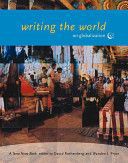
This collection of essays, memoirs, poems, stories, and artwork looks at globalization as a worldwide exchange of art and ideas. Writing the World focuses on the cultural realities of globalism—the opportunities it provides to learn from other cultures. This knowledge, argue David Rothenberg and Wandee Pryor in their introduction, can be power: “When all of us learn enough about our differences to respect the diversity that exists, we will be unable to pretend we are the same. We will never accept the old innocence and ignorance bred by oppression and exploitation.” For the contributors to Writing the World, to dream of the global village is to see the world not as a vast market but as a place of shared values and linked wonder.”It is time to listen to the many literate voices the world speaks,” say Rothenberg and Pryor. The voices of Writing the World range from Arundhati Roy on the “colonization of knowledge” in her essay “The Ladies Have Feelings, So… Shall We Leave It to the Experts?” to Naomi Klein’s meditation on fences, ownership, and property. They include Bill McKibben on women farmers in Bangladesh, Hannes Westberg’s account of being shot by Swedish police at a demonstration, James Barilla on invading and indigenous plant species in “The Aliens in the Garden,” and many other vivid, compelling, and provocative writings that celebrate—and illustrate—”the poetry of cultural contact.” Artists and photographers whose work appears in the book include Adam Clayman, Jenny Matthews, Richard Robinson, and Arpita Singh.
ما از اخلاق چه انتظاری داریم؟ این سوال شاید تاحدودی برای عموم مردم و یا متخصصان این رشته قابل پاسخ باشد؛ اینکه خوب بودن را به ما بیاموزد و در تنظیم روابط فردی م...

جشن کتاب تهران به ایستگاه سی و یکم رسیده است. حال و احوال نشر کتاب خوب نیست و باید فرهنگدوستان را به خرید و هدیه دادن کتاب ترغیب نمود. خانه اخلاقپژوهان جوان ب...

بنیاد کتابهای اخلاق اسلامی عمدتا پالایش جان از آلودگیها و آراستن آن به زیباییها است. اندیشه محوری این قبیل کتابها آن است که انسان فعلی آنی نیست که باید باشد...

-
0 Comments