Notice: تابع WP_Block_Type_Registry::register به طورنادرست فراخوانی شد. نامهای نوع بلوک نباید حروف بزرگ داشته باشند. لطفاً برای اطلاعات بیشتر، اشکال زدایی در وردپرس را مشاهده کنید. (این پیام در نگارش 5.0.0 افزوده شده است.) in /home/ethicsho/public_html/wp-includes/functions.php on line 5313
Warning: Use of undefined constant TDC_PATH_LEGACY - assumed 'TDC_PATH_LEGACY' (this will throw an Error in a future version of PHP) in /home/ethicsho/public_html/wp-content/plugins/td-composer/td-composer.php on line 109
Warning: Use of undefined constant TDSP_THEME_PATH - assumed 'TDSP_THEME_PATH' (this will throw an Error in a future version of PHP) in /home/ethicsho/public_html/wp-content/plugins/td-composer/td-composer.php on line 113 بایگانیهای Español - خانه اخلاق پژوهان جوان Notice: Trying to access array offset on value of type bool in /home/ethicsho/public_html/wp-content/plugins/wp-ulike/inc/general-functions.php on line 807
Why democracy? Most often this question is met with an appeal to some decidedly moral value, such as equality, liberty, dignity, or even peace. But in contemporary democratic societies, there is deep disagreement and conflict about the precise nature and relative worth of these values. And when democracy votes, some of those who lose will see the prevailing outcome as not merely disappointing, but morally intolerable. How should citizens react when confronted with a democratic result that they regard as intolerable? Should they revolt, or instead pursue democratic means of social change? In this book, Robert Talisse argues that each of us has reasons to uphold democracy – even when it makes serious moral errors – and that these reasons are rooted in our most fundamental epistemic commitments. His original and compelling study will be of interest to a wide range of readers in political philosophy and political theory.
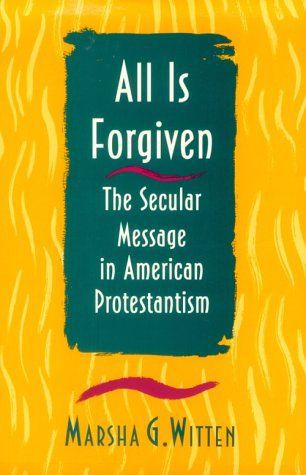
Witten offers an in-depth analysis of preaching on an important New Testament text: the Parable of the Prodigal Son. She finds that the transcendent and awesome God of Luther and Calvin–whose image informed early Protestant visions of the relationship between humans and the divine–has been greatly softened in demeanor in American Protestant churches, with only some resistance from “conservative” traditions.
William James (18421910) was both a philosopher and a psychologist, nowadays most closely associated with the pragmatic theory of truth. The essays in this Companion deal with the full range of his thought as well as other issues, including technical philosophical issues, religious speculation, moral philosophy and political controversies of his time. The relationship between James and other philosophers of his time, as well as his brother Henry, are also examined. By placing James in his intellectual landscape the volume will be particularly useful to teachers and students outside philosophy in such areas as religious studies, history of ideas, and American studies. New readers and nonspecialists will find this the most convenient and accessible guide to James currently available. Advanced students and specialists will find a conspectus of recent developments in the interpretation of James.
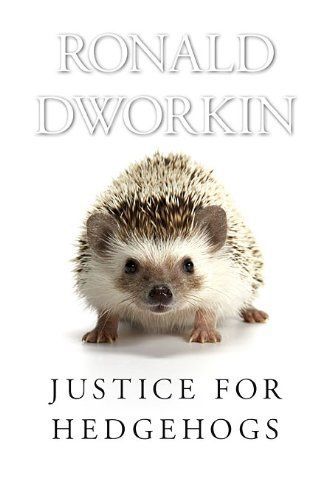
The fox knows many things, the Greeks said, but the hedgehog knows one big thing. In his most comprehensive work the author argues that value in all its forms is one big thing: that what truth is, life means, morality requires, and justice demands are different aspects of the same large question. He develops original theories on a great variety of issues very rarely considered in the same book: moral skepticism, literary, artistic, and historical interpretation, free will, ancient moral theory, being good and living well, liberty, equality, and law among many other topics. What we think about any one of these must stand up, eventually, to any argument we find compelling about the rest. Skepticism in all its forms, philosophical, cynical, or post-modern, threatens that unity. The Galilean revolution once made the theological world of value safe for science. But the new republic gradually became a new empire: the modern philosophers inflated the methods of physics into a totalitarian theory of everything. They invaded and occupied all the honorifics, reality, truth, fact, ground, meaning, knowledge, and being, and dictated the terms on which other bodies of thought might aspire to them, and skepticism has been the inevitable result. The author feels we need a new revolution, and that we must make the world of science safe for value.
ما از اخلاق چه انتظاری داریم؟ این سوال شاید تاحدودی برای عموم مردم و یا متخصصان این رشته قابل پاسخ باشد؛ اینکه خوب بودن را به ما بیاموزد و در تنظیم روابط فردی م...

جشن کتاب تهران به ایستگاه سی و یکم رسیده است. حال و احوال نشر کتاب خوب نیست و باید فرهنگدوستان را به خرید و هدیه دادن کتاب ترغیب نمود. خانه اخلاقپژوهان جوان ب...

بنیاد کتابهای اخلاق اسلامی عمدتا پالایش جان از آلودگیها و آراستن آن به زیباییها است. اندیشه محوری این قبیل کتابها آن است که انسان فعلی آنی نیست که باید باشد...

-
0 Comments