Notice: تابع WP_Block_Type_Registry::register به طورنادرست فراخوانی شد. نامهای نوع بلوک نباید حروف بزرگ داشته باشند. لطفاً برای اطلاعات بیشتر، اشکال زدایی در وردپرس را مشاهده کنید. (این پیام در نگارش 5.0.0 افزوده شده است.) in /home/ethicsho/public_html/wp-includes/functions.php on line 5313
Warning: Use of undefined constant TDC_PATH_LEGACY - assumed 'TDC_PATH_LEGACY' (this will throw an Error in a future version of PHP) in /home/ethicsho/public_html/wp-content/plugins/td-composer/td-composer.php on line 109
Warning: Use of undefined constant TDSP_THEME_PATH - assumed 'TDSP_THEME_PATH' (this will throw an Error in a future version of PHP) in /home/ethicsho/public_html/wp-content/plugins/td-composer/td-composer.php on line 113 بایگانیهای 9781583918746 - خانه اخلاق پژوهان جوان Notice: Trying to access array offset on value of type bool in /home/ethicsho/public_html/wp-content/plugins/wp-ulike/inc/general-functions.php on line 807
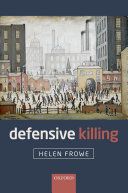
Most people believe that it is sometimes morally permissible for a person to use force to defend herself or others against harm. In Defensive Killing, Helen Frowe offers a detailed exploration of when and why the use of such force is permissible. She begins by considering the use of force between individuals, investigating both the circumstances under which an attacker forfeits her right not to be harmed, and the distinct question of when it is all-things-considered permissible to use force against an attacker. Frowe then extends this enquiry to war, defending the view that we should judge the ethics of killing in war by the moral rules that govern killing between individuals. She argues that this requires us to significantly revise our understanding of the moral status of non-combatants in war. Non-combatants who intentionally contribute to an unjust war forfeit their rights not to be harmed, such that they are morally liable to attack by combatants fighting a just war.
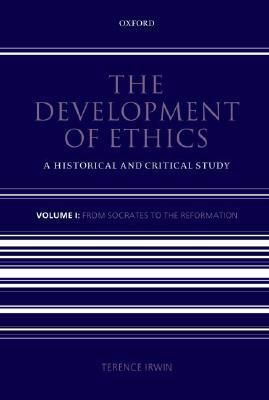
Terence Irwin presents a historical and critical study of the development of moral philosophy over two thousand years, from ancient Greece to the Reformation. Starting with the seminal ideas of Socrates, Plato, and Aristotle, he guides the reader through the centuries that follow, introducing each of the thinkers he discusses with generous quotations from their works. He offers not only careful interpretation but critical evaluation of what they have to offer philosophically. This is the first of three volumes which will examine the history of ethics in the Socratic tradition, up to the late 20th century.
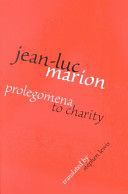
In seven essays that draw from metaphysics, phenomenology, literature, Christological theology, and Biblical exegesis,Marion sketches several prolegomena to a future fuller thinking and saying of love’s paradoxical reasons, exploring evil, freedom, bedazzlement, and the loving gaze; crisis, absence, and knowing.
ما از اخلاق چه انتظاری داریم؟ این سوال شاید تاحدودی برای عموم مردم و یا متخصصان این رشته قابل پاسخ باشد؛ اینکه خوب بودن را به ما بیاموزد و در تنظیم روابط فردی م...

جشن کتاب تهران به ایستگاه سی و یکم رسیده است. حال و احوال نشر کتاب خوب نیست و باید فرهنگدوستان را به خرید و هدیه دادن کتاب ترغیب نمود. خانه اخلاقپژوهان جوان ب...

بنیاد کتابهای اخلاق اسلامی عمدتا پالایش جان از آلودگیها و آراستن آن به زیباییها است. اندیشه محوری این قبیل کتابها آن است که انسان فعلی آنی نیست که باید باشد...

-
0 Comments