Notice: تابع WP_Block_Type_Registry::register به طورنادرست فراخوانی شد. نامهای نوع بلوک نباید حروف بزرگ داشته باشند. لطفاً برای اطلاعات بیشتر، اشکال زدایی در وردپرس را مشاهده کنید. (این پیام در نگارش 5.0.0 افزوده شده است.) in /home/ethicsho/public_html/wp-includes/functions.php on line 5313
Warning: Use of undefined constant TDC_PATH_LEGACY - assumed 'TDC_PATH_LEGACY' (this will throw an Error in a future version of PHP) in /home/ethicsho/public_html/wp-content/plugins/td-composer/td-composer.php on line 109
Warning: Use of undefined constant TDSP_THEME_PATH - assumed 'TDSP_THEME_PATH' (this will throw an Error in a future version of PHP) in /home/ethicsho/public_html/wp-content/plugins/td-composer/td-composer.php on line 113 بایگانیهای 9781402029929 - خانه اخلاق پژوهان جوان Notice: Trying to access array offset on value of type bool in /home/ethicsho/public_html/wp-content/plugins/wp-ulike/inc/general-functions.php on line 807
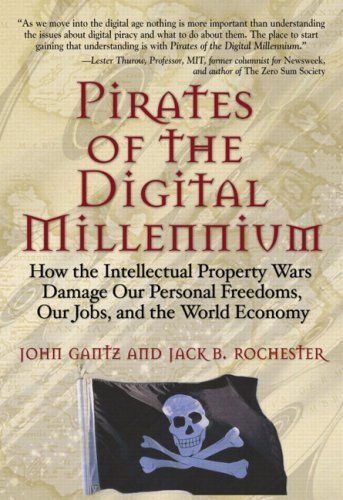
An expose of the fight over intellectual property, this title discusses what can be done to reduce the theft of intellectual property. The issue is examined from every perspective: consumers, business, law, ethics, and geopolitics.
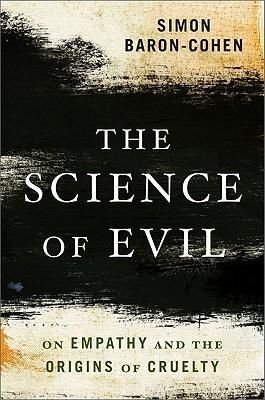
Borderline personality disorder, autism, narcissism, psychosis, Asperger’s: All of these syndromes have one thing in common–lack of empathy. In some cases, this absence can be dangerous, but in others it can simply mean a different way of seeing the world.In Cruel or Unusual Simon Baron-Cohen, an award-winning British researcher who has investigated psychology and autism for decades, develops a new brain-based theory of human cruelty. A true psychologist, however, he examines social and environmental factors that can erode empathy, including neglect and abuse. Based largely on Baron-Cohen’s own research, Cruel or Unusual will change the way we understand and treat human cruelty.
Addictive thought is inherently self-deceptive, yet offers a superficial logic that can be misleading to the addict as well as to the addict’s family members.Abnormal thinking in addiction was originally recognized by members of Alcoholics Anonymous, who coined the term “stinking thinking.” Addictive thinking often appears rational, but only on a superficial level. Addicts, as well as their family members, are easily seduced by the attendant–and erroneous–reasoning process it can foster. In Addictive Thinking, author Abraham Twerski reveals how self-deceptive thought can undermine self-esteem and threaten the sobriety of a recovering individual. This timely revision of the original classic includes updated information and research on depression and affective disorders, the relationship between addictive thinking and relapse, and the origins of addictive thought. Ultimately, Addictive Thinking offers hope to those seeking a healthy and rewarding life in recovery. Dr. Twerski is founder and medical director of the Gateway Rehabilitation Center in Pittsburgh, Pennsylvania. A rabbi, psychiatrist, and chemical dependency counselor, he is the author of numerous journal articles and books including Self Discovery in Recovery, I Didn’t Ask to be in This Family: Sibling Relationships and How They Shame Adult Behavior and Dependencies, and with “Peanuts” cartoonist Charles Schulz, When Do the Good Things Start?
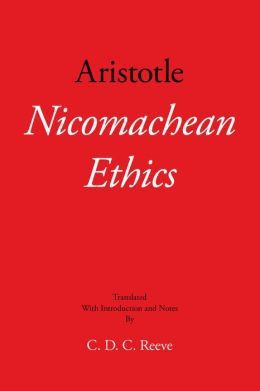
An excellent new translation and commentary. It will serve newcomers as an informative, accessible introduction to the Nicomachean Ethics and to many issues in Aristotle’s philosophy, but also has much to offer advanced scholars. The commentary is noteworthy for its frequent citations of relevant passages from other works in Aristotle’s corpus, which often shed new light on the texts. Reeve’s translation is meticulous: it hits the virtuous mean–accurate and technical, yet readable–between translation’s vicious extremes of faithlessness and indigestibility. — Jessica Moss, NYU
ما از اخلاق چه انتظاری داریم؟ این سوال شاید تاحدودی برای عموم مردم و یا متخصصان این رشته قابل پاسخ باشد؛ اینکه خوب بودن را به ما بیاموزد و در تنظیم روابط فردی م...

جشن کتاب تهران به ایستگاه سی و یکم رسیده است. حال و احوال نشر کتاب خوب نیست و باید فرهنگدوستان را به خرید و هدیه دادن کتاب ترغیب نمود. خانه اخلاقپژوهان جوان ب...

بنیاد کتابهای اخلاق اسلامی عمدتا پالایش جان از آلودگیها و آراستن آن به زیباییها است. اندیشه محوری این قبیل کتابها آن است که انسان فعلی آنی نیست که باید باشد...

-
0 Comments