Notice: تابع WP_Block_Type_Registry::register به طورنادرست فراخوانی شد. نامهای نوع بلوک نباید حروف بزرگ داشته باشند. لطفاً برای اطلاعات بیشتر، اشکال زدایی در وردپرس را مشاهده کنید. (این پیام در نگارش 5.0.0 افزوده شده است.) in /home/ethicsho/public_html/wp-includes/functions.php on line 5313
Warning: Use of undefined constant TDC_PATH_LEGACY - assumed 'TDC_PATH_LEGACY' (this will throw an Error in a future version of PHP) in /home/ethicsho/public_html/wp-content/plugins/td-composer/td-composer.php on line 109
Warning: Use of undefined constant TDSP_THEME_PATH - assumed 'TDSP_THEME_PATH' (this will throw an Error in a future version of PHP) in /home/ethicsho/public_html/wp-content/plugins/td-composer/td-composer.php on line 113 بایگانیهای 9780823220922 - خانه اخلاق پژوهان جوان Notice: Trying to access array offset on value of type bool in /home/ethicsho/public_html/wp-content/plugins/wp-ulike/inc/general-functions.php on line 807
How can we enhance police integrity? The authors surveyed over 3000 police officers from 30 U.S. police departments on how they would respond to typical scenarios where integrity is challenged. They studied three police agencies which scored highly on the integrity scale: Charlotte-Mecklenburg, North Carolina; Charleston, South Carolina; and St. Petersburg, Florida. The authors conclude that enhancing police integrity goes well beyond culling out “bad apple” police officers. Police administrators should focus on four aspects: organizational rulemaking; detecting, investigating and disciplining rule violations; circumscribing the informal “code of silence” that prohibits police from reporting the misconduct of their colleagues; and understanding the influence of public expectations and agency history.
What basis do we have for condemning the Aztec custom of human sacrifice, the Chinese tradition of foot-binding, or the African practice of female genital mutilation? What can we learn from the moral traditions of other cultures? Addressing such questions,MoralMeasuresis a clear, fresh and accessible introduction to ethics which carefully illuminates the difficult issues surrounding cross-cultural ethics and moral thought. By examining Eastern and Western moral traditions, J. E. Tiles explores the basis for determining ethical measures of conduct across different cultures. Drawing on a rich array of ethical thinkers, including Aristotle, Kant and Confucius, Tiles argues that ethical problems are shared by apparently opposed moral traditions and that there is much to be learned by comparing them.
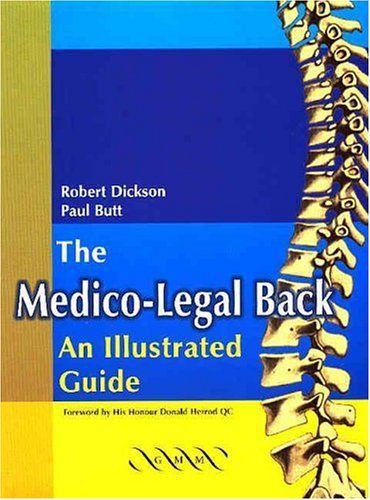
Back pain and back injury is an extremely common problem, producing chronic, debilitating symptoms for sufferers, and resulting in millions of pounds of lost revenue in absence from work and paid in compensation for spinal injuries. The Medico-Legal Back is the first book to address all aspects of the problem for a legal readership, in a clear, concise and reader-friendly style. It does away with the need to search for and then extract complex information from many different sources, and as such will be an indispensable guide to the problem for all lawyers, judges and medico-legal experts, as well as being of value to the orthopaedic surgeon with an interest in the spine. Of particular value is the use throughout the book of analogies drawn on anatomical technicalities and common movements, situations and incidents of everyday life. Fully illustrated throughout, with real scans using imaging modalities, and line diagrams generated especially for this title, The Medico-Legal Back should be on the shelves of all medico-legal personnel at all levels of expertise and experience.
ما از اخلاق چه انتظاری داریم؟ این سوال شاید تاحدودی برای عموم مردم و یا متخصصان این رشته قابل پاسخ باشد؛ اینکه خوب بودن را به ما بیاموزد و در تنظیم روابط فردی م...

جشن کتاب تهران به ایستگاه سی و یکم رسیده است. حال و احوال نشر کتاب خوب نیست و باید فرهنگدوستان را به خرید و هدیه دادن کتاب ترغیب نمود. خانه اخلاقپژوهان جوان ب...

بنیاد کتابهای اخلاق اسلامی عمدتا پالایش جان از آلودگیها و آراستن آن به زیباییها است. اندیشه محوری این قبیل کتابها آن است که انسان فعلی آنی نیست که باید باشد...

-
0 Comments