Notice: تابع WP_Block_Type_Registry::register به طورنادرست فراخوانی شد. نامهای نوع بلوک نباید حروف بزرگ داشته باشند. لطفاً برای اطلاعات بیشتر، اشکال زدایی در وردپرس را مشاهده کنید. (این پیام در نگارش 5.0.0 افزوده شده است.) in /home/ethicsho/public_html/wp-includes/functions.php on line 5313
Warning: Use of undefined constant TDC_PATH_LEGACY - assumed 'TDC_PATH_LEGACY' (this will throw an Error in a future version of PHP) in /home/ethicsho/public_html/wp-content/plugins/td-composer/td-composer.php on line 109
Warning: Use of undefined constant TDSP_THEME_PATH - assumed 'TDSP_THEME_PATH' (this will throw an Error in a future version of PHP) in /home/ethicsho/public_html/wp-content/plugins/td-composer/td-composer.php on line 113 بایگانیهای 9780812694529 - خانه اخلاق پژوهان جوان Notice: Trying to access array offset on value of type bool in /home/ethicsho/public_html/wp-content/plugins/wp-ulike/inc/general-functions.php on line 807
Essays on Aristotle’s Rhetoric offers a fresh and comprehensive assessment of a classic work. Aristotle’s influence on the practice and theory of rhetoric, as it affects political and legal argumentation, has been continuous and far-reaching. This anthology presents Aristotle’s Rhetoric in its original context, providing examples of the kind of oratory whose success Aristotle explains and analyzes.The contributors–eminent philosophers, classicists, and critics–assess the role and the techniques of rhetorical persuasion in philosophic discourse and in the public sphere. They connect Aristotle’s Rhetoric to his other work on ethics and politics, as well as to his ideas on logic, psychology, and philosophy of language. The collection as a whole invites us to reassess the place of rhetoric in intellectual and political life. Essays on Aristotle’s Rhetoric offers a fresh and comprehensive assessment of a classic work. Aristotle’s influence on the practice and theory of rhetoric, as it affects political and legal argumentation, has been continuous and far-reaching. This anthology presents Aristotle’s Rhetoric in its original context, providing examples of the kind of oratory whose success Aristotle explains and analyzes.The contributors–eminent philosophers, classicists, and critics–assess the role and the techniques of rhetorical persuasion in philosophic discourse and in the public sphere. They connect Aristotle’s Rhetoric to his other work on ethics and politics, as well as to his ideas on logic, psychology, and philosophy of language. The collection as a whole invites us to reassess the place of rhetoric in intellectual and political life.
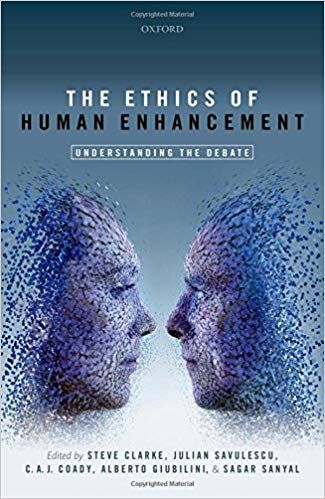
We humans can enhance some of our mental and physical abilities above the normal upper limits for our species with the use of particular drug therapies and medical procedures. We will be able to enhance many more of our abilities in more ways in the near future. Some commentators have welcomed the prospect of wide use of human enhancement technologies, while others have viewed it with alarm, and have made clear that they find human enhancement morally objectionable. ‘The Ethics of Human Enhancement’ examines whether the reactions can be supported by articulated philosophical reasoning, or perhaps explained in terms of psychological influences on moral reasoning. An international team of ethicists refresh the debate with new ideas and arguments, making connections with scientific research and with related issues in moral philosophy.–
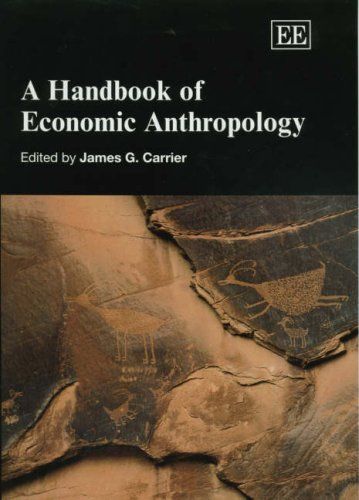
For more than a century, anthropologists have studied the economic lives and institutions of people around the world. The results of their research and reflection on economy have generally stayed within the discipline and have not been available in an accessible form to a broader readership. This major reference book is intended to correct this. This unique Handbook contains substantial and invaluable summary discussions of work on economic processes and issues, and on the relationship between economic and non-economic areas of life. Furthermore it describes conceptual orientations that are important among economic anthropologists, and presents summaries of key issues in the anthropological study of economic life in different regions of the world. Its scope and accessibility make it useful both to those who are interested in a particular topic and to those who want to see the breadth and fruitfulness of an anthropological study of economics. Economists from a wide range of fields and perspectives – from heterodox to classical, and from industrial economics to economic psychology and sociology – will find much to engage them within this exciting Handbook, as will anthropologists drawn to the significant statements by senior figures in the field. Those involved in development projects will find this an invaluable reference work with which to gain greater understanding of and insight into the reasons for people’s economic activities and decisions. The concise treatments of topics will provide invaluable teaching aids and reference for further reading by scholars at all levels of study.
This book guides the making of ethical decisions in research. It supports thinking through ethical dilemmas that arise while research is being planned, conducted and reported. It offers checklists to facilitate ethical review and is illustrated by real case studies.
Craig Paterson discusses assisted suicide and euthanasia from a secular natural law perspective. He analyses important issues that shape the moral quality of an action: intention/foresight, action/omission, action/consequences, killing/letting die, innocence/non-innocence, person/non-person.
ما از اخلاق چه انتظاری داریم؟ این سوال شاید تاحدودی برای عموم مردم و یا متخصصان این رشته قابل پاسخ باشد؛ اینکه خوب بودن را به ما بیاموزد و در تنظیم روابط فردی م...

جشن کتاب تهران به ایستگاه سی و یکم رسیده است. حال و احوال نشر کتاب خوب نیست و باید فرهنگدوستان را به خرید و هدیه دادن کتاب ترغیب نمود. خانه اخلاقپژوهان جوان ب...

بنیاد کتابهای اخلاق اسلامی عمدتا پالایش جان از آلودگیها و آراستن آن به زیباییها است. اندیشه محوری این قبیل کتابها آن است که انسان فعلی آنی نیست که باید باشد...

-
0 Comments