Notice: تابع WP_Block_Type_Registry::register به طورنادرست فراخوانی شد. نامهای نوع بلوک نباید حروف بزرگ داشته باشند. لطفاً برای اطلاعات بیشتر، اشکال زدایی در وردپرس را مشاهده کنید. (این پیام در نگارش 5.0.0 افزوده شده است.) in /home/ethicsho/public_html/wp-includes/functions.php on line 5313
Warning: Use of undefined constant TDC_PATH_LEGACY - assumed 'TDC_PATH_LEGACY' (this will throw an Error in a future version of PHP) in /home/ethicsho/public_html/wp-content/plugins/td-composer/td-composer.php on line 109
Warning: Use of undefined constant TDSP_THEME_PATH - assumed 'TDSP_THEME_PATH' (this will throw an Error in a future version of PHP) in /home/ethicsho/public_html/wp-content/plugins/td-composer/td-composer.php on line 113 بایگانیهای 9780804752985 - خانه اخلاق پژوهان جوان Notice: Trying to access array offset on value of type bool in /home/ethicsho/public_html/wp-content/plugins/wp-ulike/inc/general-functions.php on line 807
Explore central questions in moral philosophy with HOW SHOULD WE LIVE? With a focus on the question of why or how we should be moral in a time plagued by relativism, this philosophy text covers the three most seminal ethical theories: utilitarianism, deontology, and virtue-based ethics. End of chapter discussion questions and bibliography assist you in contemplating the most central issues encountered in the text and in pursuing additional research.
This book presents and argues for a moral theory which draws on most of the major theoretical positions to some degree, but it also spells out the limits and boundaries of a moral theory. In doing so, it exposes a number of common confusions and misunderstandings about morality, and presents a strong argument for some indisputable truths in relation to the moral sphere. Divided into four parts, the book covers the key issues within moral philosophy: Part 1 provides a lucid and powerful account of the nature and limits of moral theory, sharply distinguishing it from religion Part 2 outlines a positive moral theory by exploring the defining principles of morality and the reasons for being moral Part 3 distinguishes moral values from others such as ecological, health and safety and sexual values Part 4 is concerned with the implications of our moral understanding for moral education While this book concentrateson argument and ideas, a commentary to each chapter provides historical context and contemporary reference points. It will prove an invaluable resource for students of both Education and Philosophy.
This systematic introduction to Buddhist ethics is aimed at anyone interested in Buddhism, including students, scholars and general readers. Peter Harvey is the author of the acclaimed Introduction to Buddhism (Cambridge, 1990), and his new book is written in a clear style, assuming no prior knowledge. At the same time it develops a careful, probing analysis of the nature and practical dynamics of Buddhist ethics in both its unifying themes and in the particularities of different Buddhist traditions. The book applies Buddhist ethics to a range of issues of contemporary concern: humanity’s relationship with the rest of nature; economics; war and peace; euthanasia; abortion; the status of women; and homosexuality. Professor Harvey draws on texts of the main Buddhist traditions, and on historical and contemporary accounts of the behaviour of Buddhists, to describe existing Buddhist ethics, to assess different views within it, and to extend its application into new areas.
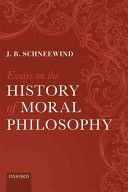
J. B. Schneewind presents a selection of his published essays on ethics, the history of ethics and moral psychology, together with a new piece offering an intellectual autobiography. The volume ranges across the seventeenth, eighteenth, and nineteenth centuries: it includes Schneewind’s early anti-foundationalist “Moral Knowledge and Moral Principles,” the classic “The Misfortunes of Virtue,” and other early essays on Kant’s relation to pre-Kantian moral philosophy; also a long piece on “The Active Powers,” and Schneewind’s own interpretation of Kant’s moral philosophy. These writings provide excellent introductions to Schneewind’s two long books, and supplement them in important ways.
ما از اخلاق چه انتظاری داریم؟ این سوال شاید تاحدودی برای عموم مردم و یا متخصصان این رشته قابل پاسخ باشد؛ اینکه خوب بودن را به ما بیاموزد و در تنظیم روابط فردی م...

جشن کتاب تهران به ایستگاه سی و یکم رسیده است. حال و احوال نشر کتاب خوب نیست و باید فرهنگدوستان را به خرید و هدیه دادن کتاب ترغیب نمود. خانه اخلاقپژوهان جوان ب...

بنیاد کتابهای اخلاق اسلامی عمدتا پالایش جان از آلودگیها و آراستن آن به زیباییها است. اندیشه محوری این قبیل کتابها آن است که انسان فعلی آنی نیست که باید باشد...

-
0 Comments