Notice: تابع WP_Block_Type_Registry::register به طورنادرست فراخوانی شد. نامهای نوع بلوک نباید حروف بزرگ داشته باشند. لطفاً برای اطلاعات بیشتر، اشکال زدایی در وردپرس را مشاهده کنید. (این پیام در نگارش 5.0.0 افزوده شده است.) in /home/ethicsho/public_html/wp-includes/functions.php on line 5313
Warning: Use of undefined constant TDC_PATH_LEGACY - assumed 'TDC_PATH_LEGACY' (this will throw an Error in a future version of PHP) in /home/ethicsho/public_html/wp-content/plugins/td-composer/td-composer.php on line 109
Warning: Use of undefined constant TDSP_THEME_PATH - assumed 'TDSP_THEME_PATH' (this will throw an Error in a future version of PHP) in /home/ethicsho/public_html/wp-content/plugins/td-composer/td-composer.php on line 113 بایگانیهای 9780521824002 - خانه اخلاق پژوهان جوان Notice: Trying to access array offset on value of type bool in /home/ethicsho/public_html/wp-content/plugins/wp-ulike/inc/general-functions.php on line 807
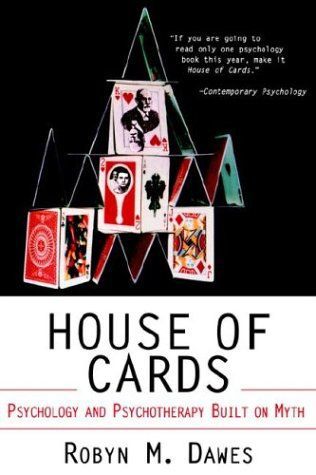
Robin Dawes spares no one in this powerful critique of modern psychotherapeutic practice. As Dawes points out, we have all been swayed by the “pop psych” view of the world–believing, for example, that self-esteem is an essential precursor to being a productive human being, that events in one’s childhood affect one’s fate as an adult, and that “you have to love yourself before you can love another”.
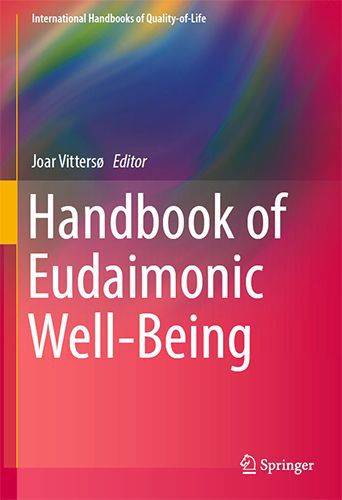
This handbook presents the most comprehensive account of eudaimonic well-being to date. It brings together theoretical insights and empirical updates presented by leading scholars and young researchers. The handbook examines philosophical and historical approaches to the study of happy lives and good societies, and it critically looks at conceptual controversies related to eudaimonia and well-being. It identifies the elements of happiness in a variety of areas such as emotions, health, wisdom, self-determination, internal motivation, personal growth, genetics, work, leisure, heroism, and many more. It then places eudaimonic well-being in the larger context of society, addressing social elements. The most remarkable outcome of the book is arguably its large-scale relevance, reminding us that the more we know about the good way of living, the more we are in a position to build a society that can be supportive and offer opportunities for such a way of living for all of its citizens.
In these essays, John Skorupski develops a distinctive and systematic moral philosophy. He examines the central ethical concepts of reasons, the good, and morality, and applies the results to issues of culture and politics. Ethical Explorations firmly connects liberal politics to its ethical ideal, and links that ideal to modern morality and modern ideas of the good.
Why do we cry at the movies? What is the best way to manage destructive feelings such as jealousy? Although emotions pervade our lives, their nature, causes, and effects have only recently been studied by social scientists and philosophers. Despite growing scientific interest in the subject, empirical findings have not yet caught up with our intuitive knowledge. In this book Aaron Ben-Ze’ev carries out what he calls “a careful search for general patterns in the primeval jungle of emotions.” In an engaging, informal style he draws on a variety of theoretical approaches and popular sources to produce a coherent account of emotions in all their subtlety. All of the ideas are illustrated with examples drawn from everyday life.The book is organized into two parts. The first presents an overall conceptual framework for understanding emotions. It looks at the typical characteristics and components of emotions, distinguishes emotions from other affective phenomena, classifies the emotions, and covers such related issues as emotional intelligence, regulating emotions, and emotions and morality. The second part discusses individual emotions, including envy, jealousy, pleasure-in-others’-misfortune, pity, compassion, anger, hate, disgust, love, sexual desire, happiness, sadness, pride, regret, and shame. The text is laced with insightful and often amusing quotations from sources ranging from Mae West to Montesquieu.
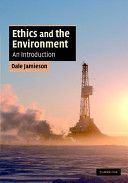
What is the environment, and how does it figure in an ethical life? This book is an introduction to the philosophical issues involved in this important question, focussing primarily on ethics but also encompassing questions in aesthetics and political philosophy. Topics discussed include the environment as an ethical question, human morality, meta-ethics, normative ethics, humans and other animals, the value of nature, and nature’s future. The discussion is accessible and richly illustrated with examples. The book will be valuable for students taking courses in environmental philosophy, and also for a wider audience in courses in ethics, practical ethics, and environmental studies. It will also appeal to general readers who want a reliable and sophisticated introduction to the field.
ما از اخلاق چه انتظاری داریم؟ این سوال شاید تاحدودی برای عموم مردم و یا متخصصان این رشته قابل پاسخ باشد؛ اینکه خوب بودن را به ما بیاموزد و در تنظیم روابط فردی م...

جشن کتاب تهران به ایستگاه سی و یکم رسیده است. حال و احوال نشر کتاب خوب نیست و باید فرهنگدوستان را به خرید و هدیه دادن کتاب ترغیب نمود. خانه اخلاقپژوهان جوان ب...

بنیاد کتابهای اخلاق اسلامی عمدتا پالایش جان از آلودگیها و آراستن آن به زیباییها است. اندیشه محوری این قبیل کتابها آن است که انسان فعلی آنی نیست که باید باشد...

-
0 Comments