Notice: تابع WP_Block_Type_Registry::register به طورنادرست فراخوانی شد. نامهای نوع بلوک نباید حروف بزرگ داشته باشند. لطفاً برای اطلاعات بیشتر، اشکال زدایی در وردپرس را مشاهده کنید. (این پیام در نگارش 5.0.0 افزوده شده است.) in /home/ethicsho/public_html/wp-includes/functions.php on line 5313
Warning: Use of undefined constant TDC_PATH_LEGACY - assumed 'TDC_PATH_LEGACY' (this will throw an Error in a future version of PHP) in /home/ethicsho/public_html/wp-content/plugins/td-composer/td-composer.php on line 109
Warning: Use of undefined constant TDSP_THEME_PATH - assumed 'TDSP_THEME_PATH' (this will throw an Error in a future version of PHP) in /home/ethicsho/public_html/wp-content/plugins/td-composer/td-composer.php on line 113 بایگانیهای 9780253208163 - خانه اخلاق پژوهان جوان Notice: Trying to access array offset on value of type bool in /home/ethicsho/public_html/wp-content/plugins/wp-ulike/inc/general-functions.php on line 807
“G. E. Moore’s fame as a philosopher rests on his ethics of love and beauty, which inspired Bloomsbury, and on his ‘common sense’ certainties, which challenge abstract philosophical theory. Behind these themes lie his critical engagement with Kant’s idealist philosophy, which is published here for the first time. These early writings, Moore’s fellowship dissertations of 1897 and 1898, show how he initiated his influential break with idealism. In 1897 his main target was Kant’s ethics; but by 1898 it was the whole Kantian project of transcendental philosophy that he rejected, and the theory which he developed to replace it gave rise to the new project of philosophy as logical analysis. This edition includes comments by Moore’s examiners, Henry Sidgwick, Edward Caird and Bernard Bosanquet, and in a substantial introduction the editors explore the crucial importance of the dissertations to the history of twentieth-century philosophical thought”–
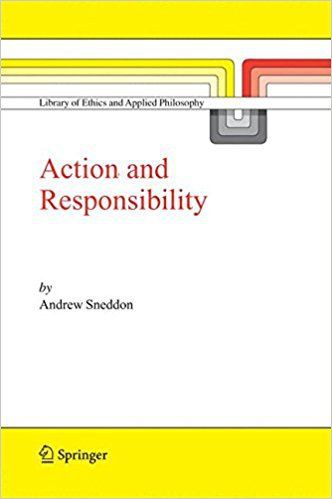
What makes an event count as an action? Typical answers appeal to the way in which the event was produced: e.g., perhaps an arm movement is an action when caused by mental states (in particular ways), but not when caused in other ways. Andrew Sneddon argues that this type of answer, which he calls “productionism”, is methodologically and substantially mistaken. In particular, productionist answers to this question tend to be either individualistic or foundationalist, or both, without explicit defence. Instead, Sneddon offers an externalist, anti-foundationalist account of what makes an event count as an action, which he calls neo-ascriptivism, after the work of H.L.A. Hart. Specifically, Sneddon argues that our practices of attributing moral responsibility to each other are at least partly constitutive of events as actions.
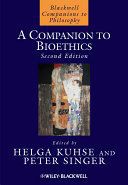
This second edition of A Companion to Bioethics, fully revised and updated to reflect the current issues and developments in the field, covers all the material that the reader needs to thoroughly grasp the ideas and debates involved in bioethics. Thematically organized around an unparalleled range of issues, including discussion of the moral status of embryos and fetuses, new genetics, life and death, resource allocation, organ donations, AIDS, human and animal experimentation, health care, and teaching Now includes new essays on currently controversial topics such as cloning and genetic enhancement Topics are clearly and compellingly presented by internationally renowned bioethicists A detailed index allows the reader to find terms and topics not listed in the titles of the essays themselves
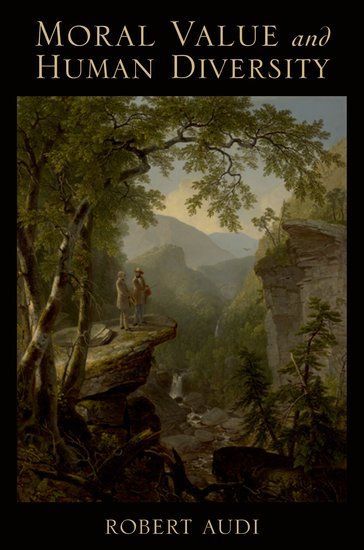
This short and accessible book is designed for those learning about the search for ethical rules that can apply despite cultural differences. Robert Audi looks at several such attempts: Aristotle, Kant; Mill; and the movement known as “common-sense” ethics associated with W.D. Ross. He shows how each attempt grew out of its own time and place, yet has some universal qualities that can be used for an ethical framework. This is a short, accessible treatment of a major topic in ethics by a senior and highly-respected figure.
ما از اخلاق چه انتظاری داریم؟ این سوال شاید تاحدودی برای عموم مردم و یا متخصصان این رشته قابل پاسخ باشد؛ اینکه خوب بودن را به ما بیاموزد و در تنظیم روابط فردی م...

جشن کتاب تهران به ایستگاه سی و یکم رسیده است. حال و احوال نشر کتاب خوب نیست و باید فرهنگدوستان را به خرید و هدیه دادن کتاب ترغیب نمود. خانه اخلاقپژوهان جوان ب...

بنیاد کتابهای اخلاق اسلامی عمدتا پالایش جان از آلودگیها و آراستن آن به زیباییها است. اندیشه محوری این قبیل کتابها آن است که انسان فعلی آنی نیست که باید باشد...

-
0 Comments