Notice: تابع WP_Block_Type_Registry::register به طورنادرست فراخوانی شد. نامهای نوع بلوک نباید حروف بزرگ داشته باشند. لطفاً برای اطلاعات بیشتر، اشکال زدایی در وردپرس را مشاهده کنید. (این پیام در نگارش 5.0.0 افزوده شده است.) in /home/ethicsho/public_html/wp-includes/functions.php on line 5313
Warning: Use of undefined constant TDC_PATH_LEGACY - assumed 'TDC_PATH_LEGACY' (this will throw an Error in a future version of PHP) in /home/ethicsho/public_html/wp-content/plugins/td-composer/td-composer.php on line 109
Warning: Use of undefined constant TDSP_THEME_PATH - assumed 'TDSP_THEME_PATH' (this will throw an Error in a future version of PHP) in /home/ethicsho/public_html/wp-content/plugins/td-composer/td-composer.php on line 113 بایگانیهای 9780199281725 - خانه اخلاق پژوهان جوان Notice: Trying to access array offset on value of type bool in /home/ethicsho/public_html/wp-content/plugins/wp-ulike/inc/general-functions.php on line 807
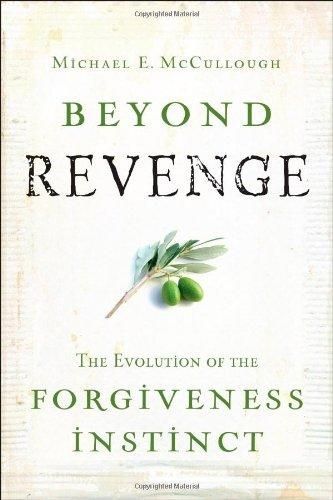
Why is revenge such a pervasive and destructive problem? How can we create a future in which revenge is less common and forgiveness is more common? Psychologist Michael McCullough argues that the key to a more forgiving, less vengeful world is to understand the evolutionary forces that gave rise to these intimately human instincts and the social forces that activate them in human minds today. Drawing on exciting breakthroughs from the social and biological sciences, McCullough dispenses surprising and practical advice for making the world a more forgiving place. Michael E. McCullough (Miami, Florida), an internationally recognized expert on forgiveness and revenge, is a professor of psychology at the University of Miami in Coral Gables, Florida, where he directs the Laboratory for Social and Clinical Psychology.
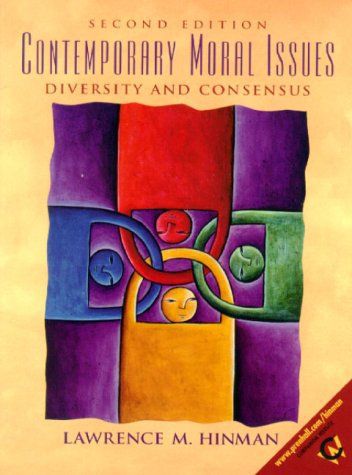
This anthology provides a comprehensive selection of readings on eleven contemporary social issues revolving around three general themes: Matters of Life and Death, Matters of Equality and Diversity, and Expanding the Circle (duties beyond borders, living together with animals, and environmental ethics). Each group of readings is accompanied by narrative selections that present the moral issues from a first person point of view; an extensive introduction surveys the problems and issues; and a bibliographical essay to relevant additional literature. Each selection is accompanied by pre- and post-reading questions. An ethical self-inventory–with pre-test and post-test–helps readers track changes in their own beliefs as they work through the readings, and a special section shows readers step-by-step how develop a personal position on ethical issues. A Pluralistic Approach to Moral Problems. How to Develop a Position on Ethical Issues. MATTERS OF LIFE AND DEATH: Abortion; Genetic Manipulation and Cloning; Euthanasia; Punishment and the Death Penalty. MATTERS OF EQUALITY AND DIVERSITY: Race and Ethnicity; Gender; Sexual Orientation; Poverty and Welfare; EXPANDING THE CIRCLE: Duties Beyond Borders; Living Together with Animals; Environmental Ethics. For anyone interested in Ethics, Social Ethics, and Contemporary Moral Problems.
In this wide-ranging study, Quinn argues that human moral autonomy is compatible with unqualified obedience to divine commands. He formulates several versions of the crucial assumptions of divine command ethics, defending them against a battery of objections often expressed in the philosophical literature.
Enlightenment philosophers are often credited with formulating many theories about humankind and society, and in our post-modern age, we still live with some of the very same compelling, contentious and often unresolved questions about ourselves and the world we live in. Author Aubrey Neal suggests that one of these issues that lingers with us today is scepticism, and in ‘How Skeptics do Ethics’, he unravels the thread of this philosophy from its origins in enlightenment thinking down to our present age. He contends that linguistics and language have not brought modern philosophy any closer to understanding the role and nature of ethics in our current science-based society. Going further, Neal suggests the contemporary reader meets traditional terms for ethical theory, plausible belief and moral action in a different world from the one in which they were coined. Instead, these considerations for modern thinkers require a coherent language practice suitable for the social context in which we live, and thus raise the question of the meaning of old philosophical debates and their value for our society today. Referencing such luminary thinkers as Hume, Kant, and Hegel, Neal seeks to re-ignite age old questions and awaken the reader to a sense that our contemporary modes of reference and understanding should be seen from a substantially different point of view. Challenging, bracing, and entirely unflinching, ‘How Skeptics do Ethics’ is a wake-up call for anyone who thinks seriously about our society, ourselves, and the world in which we live.
ما از اخلاق چه انتظاری داریم؟ این سوال شاید تاحدودی برای عموم مردم و یا متخصصان این رشته قابل پاسخ باشد؛ اینکه خوب بودن را به ما بیاموزد و در تنظیم روابط فردی م...

جشن کتاب تهران به ایستگاه سی و یکم رسیده است. حال و احوال نشر کتاب خوب نیست و باید فرهنگدوستان را به خرید و هدیه دادن کتاب ترغیب نمود. خانه اخلاقپژوهان جوان ب...

بنیاد کتابهای اخلاق اسلامی عمدتا پالایش جان از آلودگیها و آراستن آن به زیباییها است. اندیشه محوری این قبیل کتابها آن است که انسان فعلی آنی نیست که باید باشد...

-
0 Comments