Notice: تابع WP_Block_Type_Registry::register به طورنادرست فراخوانی شد. نامهای نوع بلوک نباید حروف بزرگ داشته باشند. لطفاً برای اطلاعات بیشتر، اشکال زدایی در وردپرس را مشاهده کنید. (این پیام در نگارش 5.0.0 افزوده شده است.) in /home/ethicsho/public_html/wp-includes/functions.php on line 5313
Warning: Use of undefined constant TDC_PATH_LEGACY - assumed 'TDC_PATH_LEGACY' (this will throw an Error in a future version of PHP) in /home/ethicsho/public_html/wp-content/plugins/td-composer/td-composer.php on line 109
Warning: Use of undefined constant TDSP_THEME_PATH - assumed 'TDSP_THEME_PATH' (this will throw an Error in a future version of PHP) in /home/ethicsho/public_html/wp-content/plugins/td-composer/td-composer.php on line 113 بایگانیهای 9780199251438 - خانه اخلاق پژوهان جوان Notice: Trying to access array offset on value of type bool in /home/ethicsho/public_html/wp-content/plugins/wp-ulike/inc/general-functions.php on line 807
Brings together incredible true stories of ordinary people scarred by violence who refused to let hatred control their lives. Together they create an irrefutabale testimony to the power of forgiveness, one that willl challenge, inspire, and encourage others wherever they are on the road to healing.
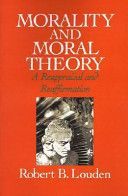
Contemporary philosophers have grown increasingly skeptical toward both morality and moral theory. Some argue that moral theory is a radically misguided enterprise that does not illuminate moral practice, while others simply deny the value of morality in human life. In this important new book, Louden responds to the arguments of both “anti-morality” and “anti-theory” skeptics. In Part One, he develops and defends an alternative conception of morality, which, he argues, captures more of the central features of both Aristotelian and Kantian ethics than do other contemporary models, and enables the central importance of morality to be convincingly reaffirmed. In Louden’s model, morality is primarily a matter of what one does to oneself, rather than what one does or does not do to others. This model eliminates the gulf that many anti-morality critics say exists between morality’s demands and the personal point of view. Louden further argues that morality’s primary focus should be on agents and their lives, rather than on right actions, and that it is always better to be morally better–i.e. it is impossible to be “too moral.” Part Two presents Louden’s alternative conception of moral theory. Here again he draws on the work of Aristotle and Kant, showing that their moral theories have far more in common than is usually thought, and that those features that they share can be the basis for a viable moral theory that is immune to the standard anti-theory objections. Louden reaffirms the necessity and importance of moral theory in human life, and shows that moral theories fulfill a variety of genuine and indispensable human needs.
Book Summary of Classical Moralists: Selections Illustrating EthicsThis book is a history of ethics based upon selections from the original sources and upon translations of the authors themselves. The evolution of ethical thought is thereby revealed from Socrates to Martineau. Contents: Socrates; Plato; Aristotle; Zeno; Epicurus; Titus Lucretius Carus; Epictetus; Marcus Aurelius Antoninus; Plotinus; Saint Augustine; Peter Abelard; Thomas Abelard; Thomas Aquinas; Hugo Grotius; Thomas Hobbes; Ralph Cudworth; Henry More; Richard Cumberland; Baruch De Spinoza; Nicolas Malebranche; John Locke; Samuel Clarke; Third Earl of Shaftesbury; Benard De Mandeville; William Wollaston; Joseph Butler; Francis Hutcheson; David Hartley; David Hume; Adam Smith; Claude Adrien Helvetius; William Paley; Jeremy Bentham; Richard Price; Thomas Reid; Immanuel Kant; Johann Gottlieb; Georg Wilhelm Friedrich; Arthur Schopnehauer; Friedrich Eduard Beneke; John Stuart Mill; Herbert Spencer; Henry Sidgwick..
This is an EXACT reproduction of a book published before 1923. This IS NOT an OCR’d book with strange characters, introduced typographical errors, and jumbled words. This book may have occasional imperfections such as missing or blurred pages, poor pictures, errant marks, etc. that were either part of the original artifact, or were introduced by the scanning process. We believe this work is culturally important, and despite the imperfections, have elected to bring it back into print as part of our continuing commitment to the preservation of printed works worldwide. We appreciate your understanding of the imperfections in the preservation process, and hope you enjoy this valuable book.
Earth is imperiled. Human activities are adversely affecting the land, water, air, and myriad forms of biological life that comprise the ecosystems of our planet. Indicators of global warming and holes in the ozone layer inhibit functions vital to the biosphere. Environmental damage to the planet becomes damaging to human health and well-being now and into the future?and too often that damage affects those who are least able to protect themselves. Can religion make a positive contribution to preventing further destruction of biological diversity and ecosystems and threats to our earth? Jame Schaefer thinks that it can, and she examines the thought of Christian Church fathers and medieval theologians to reveal and retrieve insights that may speak to our current plight. By reconstructing the teachings of Augustine, Thomas Aquinas, and other classic thinkers to reflect our current scientific understanding of the world, Schaefer shows how to “green” the Catholic faith: to value the goodness of creation, to appreciate the beauty of creation, to respect creation’s praise for God, to acknowledge the kinship of all creatures, to use creation with gratitude and restraint, and to live virtuously within the earth community.
ما از اخلاق چه انتظاری داریم؟ این سوال شاید تاحدودی برای عموم مردم و یا متخصصان این رشته قابل پاسخ باشد؛ اینکه خوب بودن را به ما بیاموزد و در تنظیم روابط فردی م...

جشن کتاب تهران به ایستگاه سی و یکم رسیده است. حال و احوال نشر کتاب خوب نیست و باید فرهنگدوستان را به خرید و هدیه دادن کتاب ترغیب نمود. خانه اخلاقپژوهان جوان ب...

بنیاد کتابهای اخلاق اسلامی عمدتا پالایش جان از آلودگیها و آراستن آن به زیباییها است. اندیشه محوری این قبیل کتابها آن است که انسان فعلی آنی نیست که باید باشد...

-
0 Comments