Notice: تابع WP_Block_Type_Registry::register به طورنادرست فراخوانی شد. نامهای نوع بلوک نباید حروف بزرگ داشته باشند. لطفاً برای اطلاعات بیشتر، اشکال زدایی در وردپرس را مشاهده کنید. (این پیام در نگارش 5.0.0 افزوده شده است.) in /home/ethicsho/public_html/wp-includes/functions.php on line 5313
Warning: Use of undefined constant TDC_PATH_LEGACY - assumed 'TDC_PATH_LEGACY' (this will throw an Error in a future version of PHP) in /home/ethicsho/public_html/wp-content/plugins/td-composer/td-composer.php on line 109
Warning: Use of undefined constant TDSP_THEME_PATH - assumed 'TDSP_THEME_PATH' (this will throw an Error in a future version of PHP) in /home/ethicsho/public_html/wp-content/plugins/td-composer/td-composer.php on line 113 بایگانیهای 9780195143584 - خانه اخلاق پژوهان جوان Notice: Trying to access array offset on value of type bool in /home/ethicsho/public_html/wp-content/plugins/wp-ulike/inc/general-functions.php on line 807
Analytic philosophy is roughly a hundred years old, and it is now the dominant force within Western philosophy. Interest in its historical development is increasing, but there has hitherto been no sustained attempt to elucidate what it currently amounts to, and how it differs from so-called ‘continental’ philosophy. In this rich and wide-ranging book, Hans Johann Glock argues that analytic philosophy is a loose movement held together both by ties of influence and by various ‘family resemblances’. He considers the pros and cons of various definitions of analytic philosophy, and tackles the methodological, historiographical and philosophical issues raised by such definitions. Finally, he explores the wider intellectual and cultural implications of the notorious divide between analytic and continental philosophy. His book is an invaluable guide for anyone seeking to understand analytic philosophy and how it is practised.
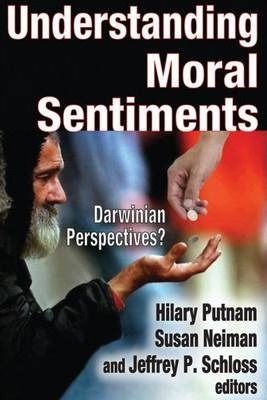
This volume brings together leading scholars to examine Darwinian perspectives on morality from widely ranging disciplines: evolutionary biology, anthropology, psychology, philosophy, and theology. They bring not only varied expertise, but also contrasting judgments about which, and to what extent, differing evolutionary accounts explain morality. They also consider the implications of these explanations for a range of religious and non-religious moral traditions. The book first surveys scientific understandings of morality. Chapters by Joan Silk and Christopher Boehm ask what primatology and anthropology tell us about moral origins. Daniel Batson and Stephen Pinker provide contrasting accounts of how evolution shapes moral psychology, and Jeffrey Schloss assesses a range of biological proposals for morality and altruism. Turning to philosophical issues, Martha Nussbaum argues that recognizing our animal nature does not threaten morality. Stephen Pope and Timothy Jackson explore how Darwinian accounts of moral goodness both enrich and require understandings outside the sciences. Hilary Putnam and Susan Neiman ask whether Darwin is truly useful for helping us to understand what morality actually is and how it functions. The book is a balanced effort to assess the scientific merits and philosophical significance of emerging Darwinian perspectives on morality. how Darwinian accounts of moral goodness both enrich and require understandings outside the sciences. Hilary Putnam and Susan Neiman ask whether Darwin is truly useful for helping us to understand what morality actually is and how it functions. The book is a balanced effort to assess the scientific merits and philosophical significance of emerging Darwinian perspectives on morality.
ما از اخلاق چه انتظاری داریم؟ این سوال شاید تاحدودی برای عموم مردم و یا متخصصان این رشته قابل پاسخ باشد؛ اینکه خوب بودن را به ما بیاموزد و در تنظیم روابط فردی م...

جشن کتاب تهران به ایستگاه سی و یکم رسیده است. حال و احوال نشر کتاب خوب نیست و باید فرهنگدوستان را به خرید و هدیه دادن کتاب ترغیب نمود. خانه اخلاقپژوهان جوان ب...

بنیاد کتابهای اخلاق اسلامی عمدتا پالایش جان از آلودگیها و آراستن آن به زیباییها است. اندیشه محوری این قبیل کتابها آن است که انسان فعلی آنی نیست که باید باشد...

-
0 Comments