Notice: تابع WP_Block_Type_Registry::register به طورنادرست فراخوانی شد. نامهای نوع بلوک نباید حروف بزرگ داشته باشند. لطفاً برای اطلاعات بیشتر، اشکال زدایی در وردپرس را مشاهده کنید. (این پیام در نگارش 5.0.0 افزوده شده است.) in /home/ethicsho/public_html/wp-includes/functions.php on line 5313
Warning: Use of undefined constant TDC_PATH_LEGACY - assumed 'TDC_PATH_LEGACY' (this will throw an Error in a future version of PHP) in /home/ethicsho/public_html/wp-content/plugins/td-composer/td-composer.php on line 109
Warning: Use of undefined constant TDSP_THEME_PATH - assumed 'TDSP_THEME_PATH' (this will throw an Error in a future version of PHP) in /home/ethicsho/public_html/wp-content/plugins/td-composer/td-composer.php on line 113 بایگانیهای 978-90-481-8866-6 - خانه اخلاق پژوهان جوان Notice: Trying to access array offset on value of type bool in /home/ethicsho/public_html/wp-content/plugins/wp-ulike/inc/general-functions.php on line 807
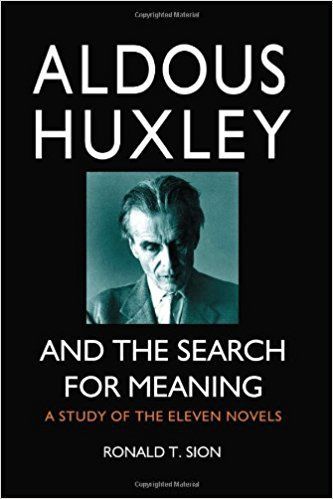
“This critical biography explores Huxley’s life-long quest for self-actualization by interfacing the events of his life with details of the creative period that produced each book, weaving Huxley’s letters, essays and interviews with the thematic content of each novel, providing a unique look into the man’s life and work”–Provided by publisher.
At what point can we concede that the realities of world politics require that moral principles be compromised, and how do we know when a real ethical limit has been reached? This volume gathers leading constructivist scholars to explore the issue of moral limit and possibility in global political dilemmas. The contributors examine pressing ethical challenges such as sanctions, humanitarian intervention, torture, the self-determination of indigenous peoples, immigration, and the debate about international criminal tribunals and amnesties in cases of atrocity. Their analyses entail theoretical and empirical claims about the conditions of possibility and limits of moral change in world politics, therefore providing insightful leverage on the ethical question of ‘what ought we to do?’ This is a valuable contribution to the growing field of normative theory in International Relations and will appeal to scholars and advanced students of international ethics and political theory.
Copyright laws, along with other Intellectual Property Rights (IPRs), constitute the legal foundation for the “global knowledge-based economy” and copyright law now plays an increasingly important role in the creation of business fortunes, the access to and dissemination of knowledge, and human development in general. This book examines major problems in the current IPR regime, particularly the copyright regime, in the context of digitization, knowledge economy, and globalization. The book contends that the final goals of IP law and policy-making are to enhance the progress of science and economic development, and the use and even-distribution of intellectual resource at the global level. By referring to major international IP consensus, recent developments in regional IP forums and the successful experiences of various countries, YiJun Tian is able to provide specific theoretical, policy and legislative suggestions for addressing current copyright challenges. The book contends that each nation should strengthen the coordination of its IP protection and development strategies, adopt a more systematic and heterogeneous approach, and make IP theory, policy, specific legal mechanisms, marketing forces and all other available measures work collectively to deal with digital challenges and in a way that contributes to the establishment of a knowledge equilibrium international society.
Information and Communication Technologies (ICTs) have profoundly changed many aspects of life, including the nature of entertainment, work, communication, education, healthcare, industrial production and business, social relations and conflicts. They have had a radical and widespread impact on our moral lives and hence on contemporary ethical debates. The Cambridge Handbook of Information and Computer Ethics provides an ambitious and authoritative introduction to the field, with discussions of a range of topics including privacy, ownership, freedom of speech, responsibility, technological determinism, the digital divide, cyber warfare, and online pornography. It offers an accessible and thoughtful survey of the transformations brought about by ICTs and their implications for the future of human life and society, for the evaluation of behaviour, and for the evolution of moral values and rights. It will be a valuable book for all who are interested in the ethical aspects of the information society in which we live.
ما از اخلاق چه انتظاری داریم؟ این سوال شاید تاحدودی برای عموم مردم و یا متخصصان این رشته قابل پاسخ باشد؛ اینکه خوب بودن را به ما بیاموزد و در تنظیم روابط فردی م...

جشن کتاب تهران به ایستگاه سی و یکم رسیده است. حال و احوال نشر کتاب خوب نیست و باید فرهنگدوستان را به خرید و هدیه دادن کتاب ترغیب نمود. خانه اخلاقپژوهان جوان ب...

بنیاد کتابهای اخلاق اسلامی عمدتا پالایش جان از آلودگیها و آراستن آن به زیباییها است. اندیشه محوری این قبیل کتابها آن است که انسان فعلی آنی نیست که باید باشد...

-
0 Comments