Notice: تابع WP_Block_Type_Registry::register به طورنادرست فراخوانی شد. نامهای نوع بلوک نباید حروف بزرگ داشته باشند. لطفاً برای اطلاعات بیشتر، اشکال زدایی در وردپرس را مشاهده کنید. (این پیام در نگارش 5.0.0 افزوده شده است.) in /home/ethicsho/public_html/wp-includes/functions.php on line 5313
Warning: Use of undefined constant TDC_PATH_LEGACY - assumed 'TDC_PATH_LEGACY' (this will throw an Error in a future version of PHP) in /home/ethicsho/public_html/wp-content/plugins/td-composer/td-composer.php on line 109
Warning: Use of undefined constant TDSP_THEME_PATH - assumed 'TDSP_THEME_PATH' (this will throw an Error in a future version of PHP) in /home/ethicsho/public_html/wp-content/plugins/td-composer/td-composer.php on line 113 بایگانیهای 978 1 86134 887 6 - خانه اخلاق پژوهان جوان Notice: Trying to access array offset on value of type bool in /home/ethicsho/public_html/wp-content/plugins/wp-ulike/inc/general-functions.php on line 807
Richard Swinburne presents a substantially rewritten and updated edition of his most celebrated book. No other work has made a more powerful case for the probability of the existence of God. Swinburne argues compellingly that the existence of the universe, its law-governed nature and fine-tuning, human consciousness and moral awareness, and evidence of miracles and religious experience, all taken together (and despite the occurrence of pain and suffering), make it likely that there is a God.
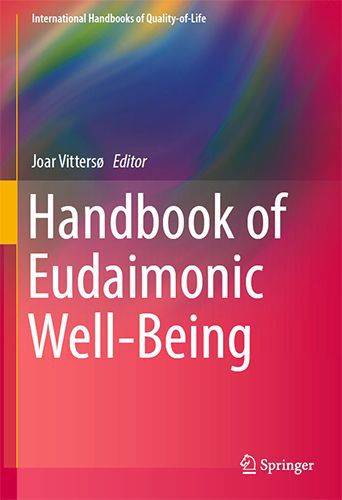
This handbook presents the most comprehensive account of eudaimonic well-being to date. It brings together theoretical insights and empirical updates presented by leading scholars and young researchers. The handbook examines philosophical and historical approaches to the study of happy lives and good societies, and it critically looks at conceptual controversies related to eudaimonia and well-being. It identifies the elements of happiness in a variety of areas such as emotions, health, wisdom, self-determination, internal motivation, personal growth, genetics, work, leisure, heroism, and many more. It then places eudaimonic well-being in the larger context of society, addressing social elements. The most remarkable outcome of the book is arguably its large-scale relevance, reminding us that the more we know about the good way of living, the more we are in a position to build a society that can be supportive and offer opportunities for such a way of living for all of its citizens.
This book compares the genocide perpetrated by both Nazism and Communism. Both political systems were evil yet, when compared, they lose some of their power to shock. The book considers: the different receptions given to Nazism and Communism; whether people can behave “rationally” in contexts of great wickedness; whether the Communist or Nazi worldview was more “rational” the relationship between post-war memories and history; and how atrocities are remembered by society and how intellectuals construct them. The editors argue that these twentieth-century evils invite comparison if only because of their traumatic effects and that we have an obligation to understand what happened and an obligation to understand how we have dealt with it.
ما از اخلاق چه انتظاری داریم؟ این سوال شاید تاحدودی برای عموم مردم و یا متخصصان این رشته قابل پاسخ باشد؛ اینکه خوب بودن را به ما بیاموزد و در تنظیم روابط فردی م...

جشن کتاب تهران به ایستگاه سی و یکم رسیده است. حال و احوال نشر کتاب خوب نیست و باید فرهنگدوستان را به خرید و هدیه دادن کتاب ترغیب نمود. خانه اخلاقپژوهان جوان ب...

بنیاد کتابهای اخلاق اسلامی عمدتا پالایش جان از آلودگیها و آراستن آن به زیباییها است. اندیشه محوری این قبیل کتابها آن است که انسان فعلی آنی نیست که باید باشد...

-
0 Comments