Notice: تابع WP_Block_Type_Registry::register به طورنادرست فراخوانی شد. نامهای نوع بلوک نباید حروف بزرگ داشته باشند. لطفاً برای اطلاعات بیشتر، اشکال زدایی در وردپرس را مشاهده کنید. (این پیام در نگارش 5.0.0 افزوده شده است.) in /home/ethicsho/public_html/wp-includes/functions.php on line 5313
Warning: Use of undefined constant TDC_PATH_LEGACY - assumed 'TDC_PATH_LEGACY' (this will throw an Error in a future version of PHP) in /home/ethicsho/public_html/wp-content/plugins/td-composer/td-composer.php on line 109
Warning: Use of undefined constant TDSP_THEME_PATH - assumed 'TDSP_THEME_PATH' (this will throw an Error in a future version of PHP) in /home/ethicsho/public_html/wp-content/plugins/td-composer/td-composer.php on line 113 بایگانیهای 90-420-1737-6 - خانه اخلاق پژوهان جوان Notice: Trying to access array offset on value of type bool in /home/ethicsho/public_html/wp-content/plugins/wp-ulike/inc/general-functions.php on line 807
The demand to be beautiful is increasingly important in today’s visual and virtual culture. Rightly or wrongly, being perfect has become an ethical ideal to live by, and according to which we judge ourselves good or bad, a success or a failure. Perfect Me explores the changing nature of the beauty ideal, showing how it is more dominant, more demanding, and more global than ever before. Heather Widdows argues that our perception of the self is changing. More and more, we locate the self in the body–not just our actual, flawed bodies but our transforming and imagined ones. As this happens, we further embrace the beauty ideal. Nobody is firm enough, thin enough, smooth enough, or buff enough-not without significant effort and cosmetic intervention. And as more demanding practices become the norm, more will be required of us, and the beauty ideal will be harder and harder to resist. If you have ever felt the urge to “make the best of yourself” or worried that you were “letting yourself go,” this book explains why. Perfect Me examines how the beauty ideal has come to define how we see ourselves and others and how we structure our daily practices-and how it enthralls us with promises of the good life that are dubious at best. Perfect Me demonstrates that we must first recognize the ethical nature of the beauty ideal if we are ever to address its harms.
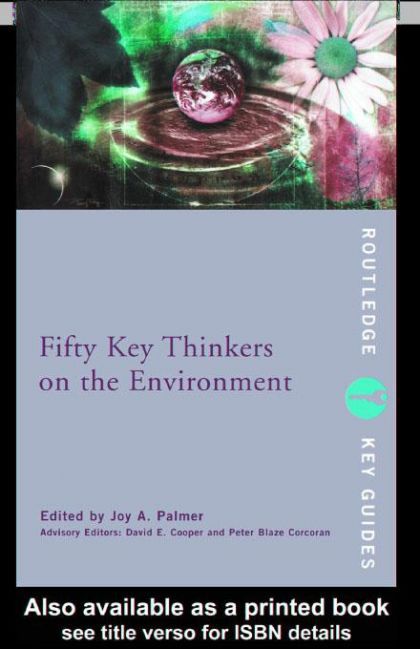
A team of over twenty expert contributors summarise and analyse the thinking of fifty diverse and stimulating figures from all over the world and from ancient times to the present day.
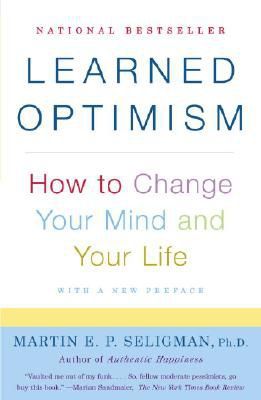
Known as the father of the new science of positive psychology, Martin E.P. Seligman draws on more than twenty years of clinical research to demonstrate how optimism enchances the quality of life, and how anyone can learn to practice it. Offering many simple techniques, Dr. Seligman explains how to break an “I—give-up” habit, develop a more constructive explanatory style for interpreting your behavior, and experience the benefits of a more positive interior dialogue. These skills can help break up depression, boost your immune system, better develop your potential, and make you happier.. With generous additional advice on how to encourage optimistic behavior at school, at work and in children, Learned Optimism is both profound and practical–and valuable for every phase of life.
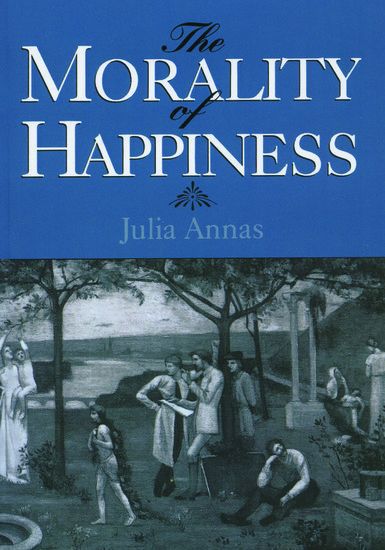
Ancient ethical theories, based on the notions of virtue and happiness, have struck many as an attractive alternative to modern theories. But we cannot find out whether this is true until we understand ancient ethics–and to do this we need to examine the basic structure of ancient ethical theory, not just the details of one or two theories. In this book, Annas brings together the results of a wide-ranging study of ancient ethical philosophy and presents it in a way that is easily accessible to anyone with an interest in ancient or modern ethics. She examines the fundamental notions of happiness and virtue, the role of nature in ethical justification and the relation between concern for self and concern for others. Her careful examination of the ancient debates and arguments shows that many widespread assumptions about ancient ethics are quite mistaken. Ancient ethical theories are not egoistic, and do not depend for their acceptance on metaphysical theories of a teleological kind. Most centrally, they are recognizably theories of morality, and the ancient disputes about the place of virtue in happiness can be seen as akin to modern disputes about the demands of morality.
ما از اخلاق چه انتظاری داریم؟ این سوال شاید تاحدودی برای عموم مردم و یا متخصصان این رشته قابل پاسخ باشد؛ اینکه خوب بودن را به ما بیاموزد و در تنظیم روابط فردی م...

جشن کتاب تهران به ایستگاه سی و یکم رسیده است. حال و احوال نشر کتاب خوب نیست و باید فرهنگدوستان را به خرید و هدیه دادن کتاب ترغیب نمود. خانه اخلاقپژوهان جوان ب...

بنیاد کتابهای اخلاق اسلامی عمدتا پالایش جان از آلودگیها و آراستن آن به زیباییها است. اندیشه محوری این قبیل کتابها آن است که انسان فعلی آنی نیست که باید باشد...

-
0 Comments