Notice: تابع WP_Block_Type_Registry::register به طورنادرست فراخوانی شد. نامهای نوع بلوک نباید حروف بزرگ داشته باشند. لطفاً برای اطلاعات بیشتر، اشکال زدایی در وردپرس را مشاهده کنید. (این پیام در نگارش 5.0.0 افزوده شده است.) in /home/ethicsho/public_html/wp-includes/functions.php on line 5313
Warning: Use of undefined constant TDC_PATH_LEGACY - assumed 'TDC_PATH_LEGACY' (this will throw an Error in a future version of PHP) in /home/ethicsho/public_html/wp-content/plugins/td-composer/td-composer.php on line 109
Warning: Use of undefined constant TDSP_THEME_PATH - assumed 'TDSP_THEME_PATH' (this will throw an Error in a future version of PHP) in /home/ethicsho/public_html/wp-content/plugins/td-composer/td-composer.php on line 113 بایگانیهای 0-309-11971-5 - خانه اخلاق پژوهان جوان Notice: Trying to access array offset on value of type bool in /home/ethicsho/public_html/wp-content/plugins/wp-ulike/inc/general-functions.php on line 807
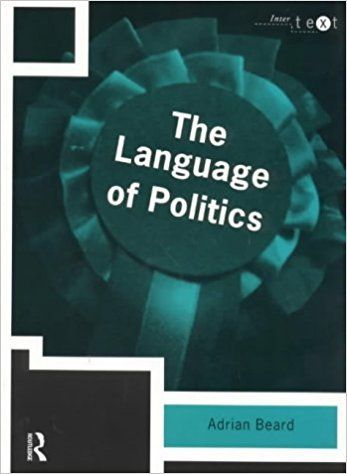
The Language of Politicstakes a clear and analytical look at the language used by contemporary politicians. The book begins with an examination of how both politicians and commentators describe political stances. This is followed by an exploration of some of the most common linguistic features to be found in political speeches. Electioneering is examined through various written texts, including manifestos, posters, and pamphlets. A final section looks at how politicians answer questions.
In their new book, Emotion, Character, and Responsibility, John Sabini and Maury Silver examine a conflict in the way that psychologists, philosophers, and ordinary people think about character. Most of us share an intuition that emotions are central to who we are and the characters we have, even though emotions are unchosen. Yet we also share the intuition that action, choice, and responsibility are what count about our characters. This book deals with this conflict by exploring the relations between the chosen and unchosen, moral and nonmoral, in sincerity, loyalty, sympathy, shame, guilt, and embarrassment as they affect our characters. The conflict is resolved by finding an aesthetic as well as moral basis of character. Along the way the authors consider questions such as can one truly avow ones feelings and still be insincere? What, if anything, is lacking in the Star Trek character Mr. Spock? Why is loyalty toward particular people and not people in general a duty? Is it a good idea for guilt to replace shame? How can we describe genuine self-deception without relying on unconscious knowledge? The book ends with the radical proposal that some of the emotions do not exist, at least not in the way that motives exist. We will not find them on any present or future brain scan. And yet, the authors argue, emotions matter.
This anthology presents the best recent philosophical analyses of moral, political, and legal responsibility of groups and their members. Motivated by reflection on such events as the Holocaust, the exploding Ford Pintos, the My Lai massacre, and apartheid in South Africa, the essays consider two important questions: What collective efforts could have prevented these large-scale social harms? And is some group to blame and, if so, how is blame to be apportioned? Contributors:
These essays in political philosophy by T. M. Scanlon, written between 1969 and 1999, examine the standards by which social and political institutions should be justified and appraised. Scanlon explains how the powers of just institutions are limited by rights such as freedom of expression, and considers why these limits should be respected even when it seems that better results could be achieved by violating them. Other topics which are explored include voluntariness and consent, freedom of expression, tolerance, punishment, and human rights. The collection includes the classic essays ‘Preference and Urgency’, ‘A Theory of Freedom of Expression’, and ‘Contractualism and Utilitarianism’, as well as a number of other essays that have hitherto not been easily accessible. It will be essential reading for all those studying these topics from the perspective of political philosophy, politics, and law.
ما از اخلاق چه انتظاری داریم؟ این سوال شاید تاحدودی برای عموم مردم و یا متخصصان این رشته قابل پاسخ باشد؛ اینکه خوب بودن را به ما بیاموزد و در تنظیم روابط فردی م...

جشن کتاب تهران به ایستگاه سی و یکم رسیده است. حال و احوال نشر کتاب خوب نیست و باید فرهنگدوستان را به خرید و هدیه دادن کتاب ترغیب نمود. خانه اخلاقپژوهان جوان ب...

بنیاد کتابهای اخلاق اسلامی عمدتا پالایش جان از آلودگیها و آراستن آن به زیباییها است. اندیشه محوری این قبیل کتابها آن است که انسان فعلی آنی نیست که باید باشد...

-
0 Comments