Notice: تابع WP_Block_Type_Registry::register به طورنادرست فراخوانی شد. نامهای نوع بلوک نباید حروف بزرگ داشته باشند. لطفاً برای اطلاعات بیشتر، اشکال زدایی در وردپرس را مشاهده کنید. (این پیام در نگارش 5.0.0 افزوده شده است.) in /home/ethicsho/public_html/wp-includes/functions.php on line 5313
Warning: Use of undefined constant TDC_PATH_LEGACY - assumed 'TDC_PATH_LEGACY' (this will throw an Error in a future version of PHP) in /home/ethicsho/public_html/wp-content/plugins/td-composer/td-composer.php on line 109
Warning: Use of undefined constant TDSP_THEME_PATH - assumed 'TDSP_THEME_PATH' (this will throw an Error in a future version of PHP) in /home/ethicsho/public_html/wp-content/plugins/td-composer/td-composer.php on line 113 بایگانیهای 0-19-515474-6 - خانه اخلاق پژوهان جوان Notice: Trying to access array offset on value of type bool in /home/ethicsho/public_html/wp-content/plugins/wp-ulike/inc/general-functions.php on line 807
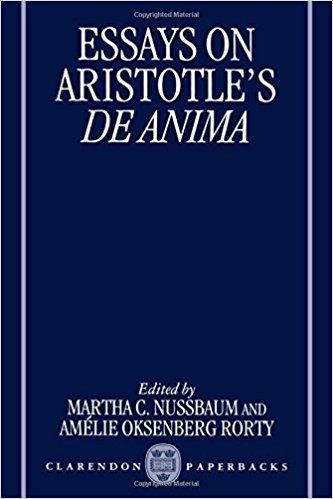
‘De Anima’ is one of the most influential and widely-studied of Aristotle’s works. This volume offers discussions of all aspects of this work by leading philosophers. Covering topics such as the relation between soul and body, memory, desire, and thought the essays present the philosophical substance of Aristotle’s views to the modern reader.
This book is a major contribution to the renewed interest in natural law. It provides the reader with a comprehensive overview of natural law, both from a historical and a systematic point of view. It ranges from the mediaeval synthesis of Aquinas through the early modern elaborations of natural law, up to current discussions on the very possibility and practical relevance of natural law theory for the contemporary mind.
“Ethics and the Limits of Philosophy” is widely acknowledged to be Bernard Williams’ most important book and a contemporary classic of moral philosophy. Delivering a sustained critique of moral theory from Kant onward, Williams reorients ethical theory towards “truth, truthfulness and the meaning of an individual life.” He explores and reflects on the thorniest problems in contemporary philosophy and offers new ideas about central issues such as relativism, objectivity and the possibility of ethical knowledge.This edition includes a new commentary on the text by A.W.Moore, St.Hugh’s College, Oxford.By the time of his death in 2003, Bernard Williams was one of the greatest philosophers of his generation. He taught at the Universities of Cambridge, Berkeley and Oxford. He is the author of M”orality; Utilitarianism: For and” “Against; Descartes: The Project of Pure Enquiry and Truth and Truthfulness.”
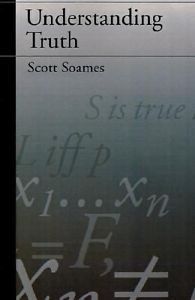
In this book, Scott Soames illuminates the notion of truth and the role it plays in our ordinary thought as well as in our logical, philosophical, and scientific theories. Soames aims to integrate and deepen the most significant insights on truth from a variety of sources. He powerfully brings together the best technical work and the most important philosophical reflection on truth and shows how each can illuminate the other. Investigating such questions as whether we need a truth predicate at all, what theoretical tasks it allows us to accomplish, and how we are to understand the content of any predicate capable of accomplishing these tasks, Soames organizes his discussion into three parts. Part I addresses crucial foundational issues as it identifies the bearers of truth, provides a basis for distinguishing truth from other notions (like certainty, with which it is often confused), and formulates positive responses to well-known forms of truth-skepticism. Part II explicates the formal theories of Alfred Tarski and Saul Kripke and evaluates the philosophical significance of their work. It discusses their treatments of the Liar paradox, the relationship between truth and proof, the notion of a partially defined predicate, the concepts of logical truth and logical consequence, and the connection between truth and meaning. Part III extends important lessons drawn from Tarski and Kripke into new domains: vague predicates, the Sorites paradox, and the development of a larger, deflationary perspective on truth. Throughout the book, Soames examines a wide range of deflationary theories of truth, and attempts to separate what is correct and worth preserving in them from what is not. In doing so, he seeks to clear up many of the most significant philosophical doubts about truth. Written for a general audience while offering engaging material to the specialist, this rich study will be profitably read by both.
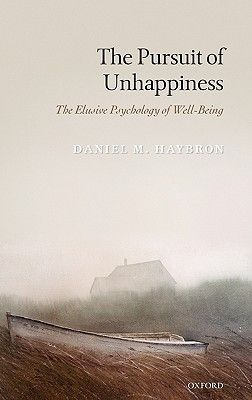
The pursuit of happiness is a defining theme of the modern era. But what if people aren’t very good at it? This and related questions are explored in this book, the first comprehensive philosophical treatment of happiness in the contemporary psychological sense. In these pages, Dan Haybron argues that people are probably less effective at judging, and promoting, their own welfare than common belief has it. For the psychological dimensions of well-being, particularly our emotional lives, are far richer and more complex than we tend to realize. Knowing one’s own interests is no trivial matter. As well, we tend to make a variety of systematic errors in the pursuit of happiness. We may need, then, to rethink traditional assumptions about human nature, the good life, and the good society. Thoroughly engaged with both philosophical and scientific work on happiness and well-being, this book will be a definitive resource for philosophers, social scientists, policymakers, and other students of human well-being.
ما از اخلاق چه انتظاری داریم؟ این سوال شاید تاحدودی برای عموم مردم و یا متخصصان این رشته قابل پاسخ باشد؛ اینکه خوب بودن را به ما بیاموزد و در تنظیم روابط فردی م...

جشن کتاب تهران به ایستگاه سی و یکم رسیده است. حال و احوال نشر کتاب خوب نیست و باید فرهنگدوستان را به خرید و هدیه دادن کتاب ترغیب نمود. خانه اخلاقپژوهان جوان ب...

بنیاد کتابهای اخلاق اسلامی عمدتا پالایش جان از آلودگیها و آراستن آن به زیباییها است. اندیشه محوری این قبیل کتابها آن است که انسان فعلی آنی نیست که باید باشد...

-
0 Comments