Notice: تابع WP_Block_Type_Registry::register به طورنادرست فراخوانی شد. نامهای نوع بلوک نباید حروف بزرگ داشته باشند. لطفاً برای اطلاعات بیشتر، اشکال زدایی در وردپرس را مشاهده کنید. (این پیام در نگارش 5.0.0 افزوده شده است.) in /home/ethicsho/public_html/wp-includes/functions.php on line 5313
Warning: Use of undefined constant TDC_PATH_LEGACY - assumed 'TDC_PATH_LEGACY' (this will throw an Error in a future version of PHP) in /home/ethicsho/public_html/wp-content/plugins/td-composer/td-composer.php on line 109
Warning: Use of undefined constant TDSP_THEME_PATH - assumed 'TDSP_THEME_PATH' (this will throw an Error in a future version of PHP) in /home/ethicsho/public_html/wp-content/plugins/td-composer/td-composer.php on line 113 بایگانیهای 3438 - خانه اخلاق پژوهان جوان Notice: Trying to access array offset on value of type bool in /home/ethicsho/public_html/wp-content/plugins/wp-ulike/inc/general-functions.php on line 807
The Ethics of Nationalism blends a philosophical discussion of the ethical merits and limits of nationalism with a detailed understanding of nationalist aspirations and a variety of national conflict zones. The author discusses the controversial and contemporary issues of rights of secession,the policies of the state in privileging a particular national group, the kinds of accommodations of minority national, and multi cultural identity groups that are justifiable and appropriate. These insights are then applied to two central nationalist aspirations: nation-building and nationalself-determination projects. The discussion of nation-building projects invloves a theory of the appropriate policies and principles that the state should follow in giving preferences to a particular national group. The discussion of national self-determination projets analyses the kind of prodedualright to secession that should be institutionalized in domestic constitutions or international law, and the psooibilities for accomodation rival caims to national recognition in the changing international order.
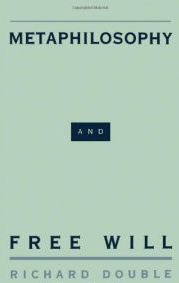
Why is debate over the free will problem so intractable? In this broad and stimulating look at the philosophical enterprise, Richard Double uses the free will controversy to build on the subjectivist conclusion he developed in The Non-Reality of Free Will (OUP 1991). Double argues that various views about free will–e.g., compatibilism, incompatibilism, and even subjectivism–are compelling if, and only if, we adopt supporting metaphilosophical views. Because metaphilosophical considerations are not provable, we cannot show any free will theory to be most reasonable. Metaphilosophy and Free Will deconstructs the free will problem and, by example, challenges philosophers in other areas to show how their philosophical argumentation can succeed.
Many words and expressions are viewed as ‘taboo’, such as those used to describe sex, our bodies and their functions, and those used to insult other people. This book provides a fascinating insight into taboo language and its role in everyday life. It looks at the ways we use language to be polite or impolite, politically correct or offensive, depending on whether we are ‘sweet-talking’, ‘straight-talking’ or being deliberately rude. Using a range of colourful examples, it shows how we use language playfully and figuratively in order to swear, to insult, and also to be politically correct, and what our motivations are for doing so. It goes on to examine the differences between institutionalized censorship and the ways individuals censor their own language. Lively and revealing, Forbidden Words will fascinate anyone who is interested in how and why we use and avoid taboos in daily conversation.
ما از اخلاق چه انتظاری داریم؟ این سوال شاید تاحدودی برای عموم مردم و یا متخصصان این رشته قابل پاسخ باشد؛ اینکه خوب بودن را به ما بیاموزد و در تنظیم روابط فردی م...

جشن کتاب تهران به ایستگاه سی و یکم رسیده است. حال و احوال نشر کتاب خوب نیست و باید فرهنگدوستان را به خرید و هدیه دادن کتاب ترغیب نمود. خانه اخلاقپژوهان جوان ب...

بنیاد کتابهای اخلاق اسلامی عمدتا پالایش جان از آلودگیها و آراستن آن به زیباییها است. اندیشه محوری این قبیل کتابها آن است که انسان فعلی آنی نیست که باید باشد...

-
0 Comments