Notice: تابع WP_Block_Type_Registry::register به طورنادرست فراخوانی شد. نامهای نوع بلوک نباید حروف بزرگ داشته باشند. لطفاً برای اطلاعات بیشتر، اشکال زدایی در وردپرس را مشاهده کنید. (این پیام در نگارش 5.0.0 افزوده شده است.) in /home/ethicsho/public_html/wp-includes/functions.php on line 5313
Warning: Use of undefined constant TDC_PATH_LEGACY - assumed 'TDC_PATH_LEGACY' (this will throw an Error in a future version of PHP) in /home/ethicsho/public_html/wp-content/plugins/td-composer/td-composer.php on line 109
Warning: Use of undefined constant TDSP_THEME_PATH - assumed 'TDSP_THEME_PATH' (this will throw an Error in a future version of PHP) in /home/ethicsho/public_html/wp-content/plugins/td-composer/td-composer.php on line 113 بایگانیهای 3087 - خانه اخلاق پژوهان جوان Notice: Trying to access array offset on value of type bool in /home/ethicsho/public_html/wp-content/plugins/wp-ulike/inc/general-functions.php on line 807
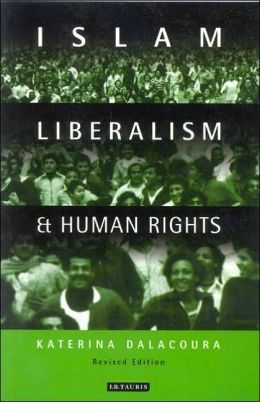
In Islam, Liberalism and Human Rights, Katerina Dalacoura explores the concept of human rights, and debate between understanding them as a simply universal norm, or a ‘Western’ value, and therefore inappropriate and irrelevant for other cultures. She examines Islam’s influence on the understanding of human rights in Muslim societies, and whether there is an inherent antithesis between Islam as a religion and the value of human rights.
A Practical Companion to Ethics, Third Edition, is a concise and accessible introduction to the basic attitudes and skills that make ethics work, like thinking for oneself, creative and integrative problem-solving, and keeping an open mind. This unique volume illuminates the broad kinds of practical intelligence required in moral judgment, complementing the narrower theoretical considerations that often dominate ethics courses. It offers practical instruction in problem-solving by demonstrating how to frame an ethical problem and deal effectively with ethical disagreements. The book also presents ethics as an ongoing learning experience, helping students to deal with both the complexities of their individual lives and with the larger issues that exist in the world around them. The third edition retains the most popular features of the previous edition, including challenging and relevant end-of-chapter exercises; brief text boxes that define key terms and review core strategies; and short dialogues that illustrate ethical dilemmas. The optimistic tone and brisk pace of the narrative provide an entertaining and intelligent guide to “everyday” morality. The third edition includes a more extensive treatment of ethics and religion (Chapter 2), which provides the framework for a moral dialogue that reaches across sectarian divides. It also contains a revised final chapter on the continuously unfolding nature of ethical understanding and an expanded appendix that gives detailed advice on writing various types of ethics papers. Ideal for introductory courses in ethics and applied ethics, A Practical Companion to Ethics, Third Edition, can also be used in any course related to critical thinking.
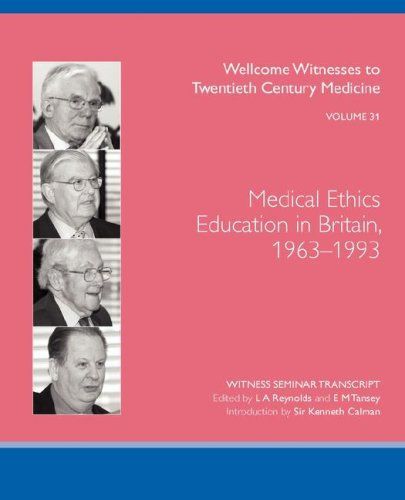
Changing attitudes toward human experimentation along with other controversial moral issues emerged after the Second World War and, in 1963, led to the establishment of the London Medical Group, organized by Ted Shotter, with similar Medical Groups elsewhere from 1967. These became forums for discussion and debate arising from dilemmas encountered in medical settings. Medical ethics did not become a recognized subject in the syllabus of Britain’s medical schools until 1993. This Witness Seminar transcript records the development of international ethical codes, the response to them over the period 1963-93 by students and doctors and the extent of resistance encountered from deans, hospital administrators and others; the Groups’ influence on medical practice; the impact on both Medical Group organizers and participants in their subsequent careers; the local and regional variations and their significant lasting contributions. The meeting was chaired by Dr Stephen Lock and included former Medical Group members, scientists, physicians and policy makers, such as Professors Kenneth Boyd, Bill Fulford, Roger Higgs, Sir Ian Kennedy, David Morton and Sir Malcolm Macnaughton. An introduction by Professor Sir Kenneth Calman and appendices of the Very Revd Edward Shotter’s reflections on the influence of the Medical Groups as a report for the Institute of Medical Ethics complete the transcript.
ما از اخلاق چه انتظاری داریم؟ این سوال شاید تاحدودی برای عموم مردم و یا متخصصان این رشته قابل پاسخ باشد؛ اینکه خوب بودن را به ما بیاموزد و در تنظیم روابط فردی م...

جشن کتاب تهران به ایستگاه سی و یکم رسیده است. حال و احوال نشر کتاب خوب نیست و باید فرهنگدوستان را به خرید و هدیه دادن کتاب ترغیب نمود. خانه اخلاقپژوهان جوان ب...

بنیاد کتابهای اخلاق اسلامی عمدتا پالایش جان از آلودگیها و آراستن آن به زیباییها است. اندیشه محوری این قبیل کتابها آن است که انسان فعلی آنی نیست که باید باشد...

-
0 Comments