Notice: تابع WP_Block_Type_Registry::register به طورنادرست فراخوانی شد. نامهای نوع بلوک نباید حروف بزرگ داشته باشند. لطفاً برای اطلاعات بیشتر، اشکال زدایی در وردپرس را مشاهده کنید. (این پیام در نگارش 5.0.0 افزوده شده است.) in /home/ethicsho/public_html/wp-includes/functions.php on line 5313
Warning: Use of undefined constant TDC_PATH_LEGACY - assumed 'TDC_PATH_LEGACY' (this will throw an Error in a future version of PHP) in /home/ethicsho/public_html/wp-content/plugins/td-composer/td-composer.php on line 109
Warning: Use of undefined constant TDSP_THEME_PATH - assumed 'TDSP_THEME_PATH' (this will throw an Error in a future version of PHP) in /home/ethicsho/public_html/wp-content/plugins/td-composer/td-composer.php on line 113 بایگانیهای 30 - خانه اخلاق پژوهان جوان Notice: Trying to access array offset on value of type bool in /home/ethicsho/public_html/wp-content/plugins/wp-ulike/inc/general-functions.php on line 807
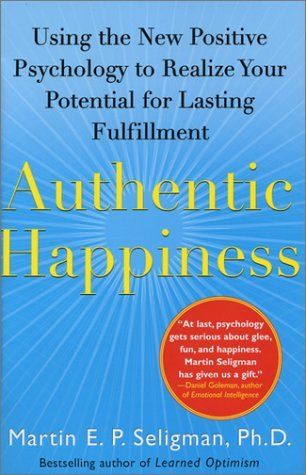
In this national bestseller — Martin Seligman’s most stimulating, persuasive book to date — the acclaimed author of Learned Optimism introduces yet another revolutionary idea. Drawing on groundbreaking scientific research, Seligman shows how Positive Psychology is shifting the profession’s paradigm away from its narrow-minded focus on pathology, victimology, and mental illness to positive emotion and mental health. Happiness, studies show, is not the result of good genes or luck. It can be cultivated by identifying and nurturing traits that we already possess — including kindness, originality, humor, optimism, and generosity.Seligman provides the tools you need in order to ascertain your most positive traits or strengths. Then he explains how, by frequently calling upon these “signature strengths” in all the crucial realms of life — health, relationships, career — you will not only develop natural buffers against misfortune and negative emotion, but also achieve new and sustainable levels of authentic contentment, gratification, and meaning.
Information technology is an integral part of the practices and institutions of post-industrial society. It is also a source of hard moral questions and thus is both a probing and relevant area for moral theory. In this volume, an international team of philosophers sheds light on many of the ethical issues arising from information technology, including informational privacy, digital divide and equal access, e-trust and tele-democracy. Collectively, these essays demonstrate how accounts of equality and justice, property and privacy benefit from taking into account how information technology has shaped our social and epistemic practices and our moral experiences. Information technology changes the way that we look at the world and deal with one another. It calls, therefore, for a re-examination of notions such as friendship, care, commitment and trust.
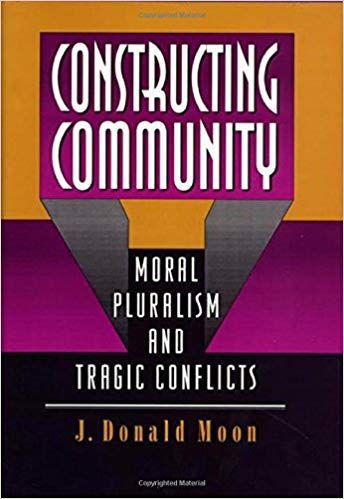
In developing a new theory of political and moral community, J. Donald Moon takes questions of cultural pluralism and difference more seriously than do many other liberal thinkers of our era: Moon is willing to confront the problem of how community can be created among those who have very different views about the proper ends of human life. Experiencing such profound disagreement, can we live together in a society under norms we all accept? In recent years, traditional ways of looking at this query have come under attack by post-modernists, feminists, and thinkers concerned with pluralism. Respectfully engaging their critiques, Moon proposes a reformulated liberalism that is intended to overcome the problems they have identified.In developing a new theory of political and moral community, J. Donald Moon takes questions of cultural pluralism and difference more seriously than do many other liberal thinkers of our era: Moon is willing to confront the problem of how community can be created among those who have very different views about the proper ends of human life. Experiencing such profound disagreement, can we live together in a society under norms we all accept? In recent years, traditional ways of looking at this query have come under attack by post-modernists, feminists, and thinkers concerned with pluralism. Respectfully engaging their critiques, Moon proposes a reformulated liberalism that is intended to overcome the problems they have identified.
ما از اخلاق چه انتظاری داریم؟ این سوال شاید تاحدودی برای عموم مردم و یا متخصصان این رشته قابل پاسخ باشد؛ اینکه خوب بودن را به ما بیاموزد و در تنظیم روابط فردی م...

جشن کتاب تهران به ایستگاه سی و یکم رسیده است. حال و احوال نشر کتاب خوب نیست و باید فرهنگدوستان را به خرید و هدیه دادن کتاب ترغیب نمود. خانه اخلاقپژوهان جوان ب...

بنیاد کتابهای اخلاق اسلامی عمدتا پالایش جان از آلودگیها و آراستن آن به زیباییها است. اندیشه محوری این قبیل کتابها آن است که انسان فعلی آنی نیست که باید باشد...

-
0 Comments