Notice: تابع WP_Block_Type_Registry::register به طورنادرست فراخوانی شد. نامهای نوع بلوک نباید حروف بزرگ داشته باشند. لطفاً برای اطلاعات بیشتر، اشکال زدایی در وردپرس را مشاهده کنید. (این پیام در نگارش 5.0.0 افزوده شده است.) in /home/ethicsho/public_html/wp-includes/functions.php on line 5313
Warning: Use of undefined constant TDC_PATH_LEGACY - assumed 'TDC_PATH_LEGACY' (this will throw an Error in a future version of PHP) in /home/ethicsho/public_html/wp-content/plugins/td-composer/td-composer.php on line 109
Warning: Use of undefined constant TDSP_THEME_PATH - assumed 'TDSP_THEME_PATH' (this will throw an Error in a future version of PHP) in /home/ethicsho/public_html/wp-content/plugins/td-composer/td-composer.php on line 113 بایگانیهای 2969 - خانه اخلاق پژوهان جوان Notice: Trying to access array offset on value of type bool in /home/ethicsho/public_html/wp-content/plugins/wp-ulike/inc/general-functions.php on line 807
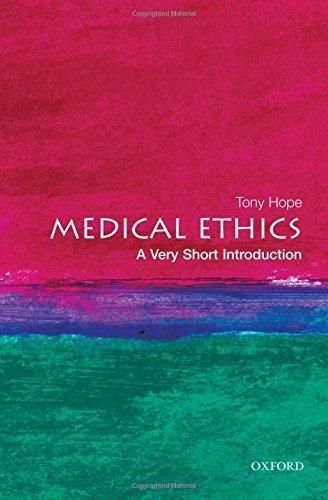
Medical ethics is an area that has particular interest for the general public as well as for the medical practitioner, and issues concerning medical ethics seem to be constantly in the headlines. This short and accessible introduction provides an invaluable tool with which to think about the ethical values that lie at the heart of medicine. Tony Hope deals with thorny moral issues, including euthanasia and the morality of killing. He also explores political questions, such as how we can make sure health care resources are distributed fairly. Each chapter in the book considers a different issue, for example, genetics, modern reproductive technologies, resource allocation, mental health, and medical research. Each section also discusses controversial questions such as: Who should have access to reproductive technology? Is it right to fund expensive drug treatment for individuals? Should treatment for mental illness be imposed on patients without their consent? Considering a wide range of questions of medical ethics, this Very Short Introduction will help to explain some of the confusing issues facing the field of medicine today.
The Latin root of the English word culture ties together both worship and the tilling of the soil. In each case, the focus is the same: a rightly-directed culture produces either a bountiful harvest or falls short of the mark, materially or spiritually. This volume critically explores the nature and depth of our contemporary cultural crisis: its lack of traditional orientation and moral understanding. Prime among the issues at stake are the meaning and significance of birth, copulation, suffering, and death, expressed in debates regarding human embryo-experimentation and stem cell research, the character of moral and scientific norms, as well as more fundamentally, the character of an adequate epistemology for coming to appreciate the deep nature of reality and its normative implications. Given varying background ontological, epistemological, and axiological presuppositions, different moral positions and political objections will appear as not merely morally permissible but as socially and politically obligatory. The volume is addressed to philosophers, theologians, bioethicists and public policy professionals as it critically assesses the increasing void between the traditional Christian metaphysical and moral understandings that guided the flourishing of Christian culture and today’s very secular, and frequently empty, cultural backdrop.
This volume examines comparatively the views and principles of seven prominent ethical traditions on the issue of the making of state and national boundaries. The traditions represented are Judaism, Christianity, Islam, natural law, Confucianism, liberalism and international law. Each contributor is an expert within one of these traditions and demonstrates how that tradition can handle the five dominant methods of altering state and national boundaries: conquest, settlement, purchase, inheritance and secession. Readers range from upper-level undergraduates to scholars in philosophy, political science, international relations and comparative religion.
ما از اخلاق چه انتظاری داریم؟ این سوال شاید تاحدودی برای عموم مردم و یا متخصصان این رشته قابل پاسخ باشد؛ اینکه خوب بودن را به ما بیاموزد و در تنظیم روابط فردی م...

جشن کتاب تهران به ایستگاه سی و یکم رسیده است. حال و احوال نشر کتاب خوب نیست و باید فرهنگدوستان را به خرید و هدیه دادن کتاب ترغیب نمود. خانه اخلاقپژوهان جوان ب...

بنیاد کتابهای اخلاق اسلامی عمدتا پالایش جان از آلودگیها و آراستن آن به زیباییها است. اندیشه محوری این قبیل کتابها آن است که انسان فعلی آنی نیست که باید باشد...

-
0 Comments