Notice: تابع WP_Block_Type_Registry::register به طورنادرست فراخوانی شد. نامهای نوع بلوک نباید حروف بزرگ داشته باشند. لطفاً برای اطلاعات بیشتر، اشکال زدایی در وردپرس را مشاهده کنید. (این پیام در نگارش 5.0.0 افزوده شده است.) in /home/ethicsho/public_html/wp-includes/functions.php on line 5313
Warning: Use of undefined constant TDC_PATH_LEGACY - assumed 'TDC_PATH_LEGACY' (this will throw an Error in a future version of PHP) in /home/ethicsho/public_html/wp-content/plugins/td-composer/td-composer.php on line 109
Warning: Use of undefined constant TDSP_THEME_PATH - assumed 'TDSP_THEME_PATH' (this will throw an Error in a future version of PHP) in /home/ethicsho/public_html/wp-content/plugins/td-composer/td-composer.php on line 113 بایگانیهای 2813 - خانه اخلاق پژوهان جوان Notice: Trying to access array offset on value of type bool in /home/ethicsho/public_html/wp-content/plugins/wp-ulike/inc/general-functions.php on line 807
Caves and the Ancient Greek Mind analyses techniques of searching for ultimate wisdom in ancient Greece. The Greeks perceived mental experiences of exceptional intensity as resulting from divine intervention. They believed that to share in the immortals’ knowledge, one had to liberate the soul from the burden of the mortal body by attaining an altered state of consciousness, that is, by merging with a superhuman being or through possession by a deity. These states were often attained by inspired mediums, `impresarios of the gods’ – prophets, poets, and sages – who descended into caves or underground chambers. Yulia Ustinova juxtaposes ancient testimonies with the results of modern neuropsychological research. This novel approach enables an examination of religious phenomena not only from the outside, but also from the inside: it penetrates the consciousness of people who were engaged in the vision quest, and demonstrates that the darkness of the caves provided conditions vital for their activities.
In The Bodies of Women, Rosalyn Diprose argues that traditional approaches to ethics both perpetuate and remain blind to the mechanisms of the subordination of women. She claims that injustice against women is found within the social discourses and practices which evaluate and constitute the ways they are represented in relation to men.Diprose draws on insights from continental philosophy and feminist theory of the English-speaking world, and supports her arguments with critical readings of Irigaray, Cornell, Fraser, Hegel, Nietzsche, Merleau-Ponty, Derrida and Foucault. What emerges is a new ethics of sexual difference that better locates the mechanisms of discrimination and also provides the means to subvert them.
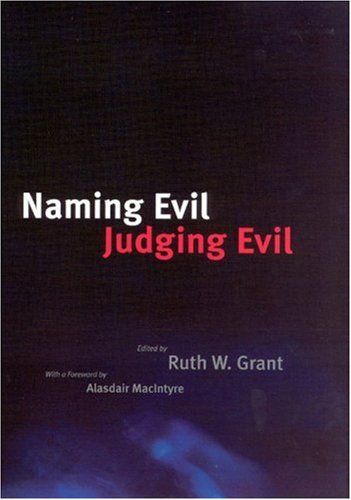
Is it more dangerous to call something evil or not to? This fundamental question deeply divides those who fear that the term oversimplifies grave problems and those who worry that, to effectively address such issues as terrorism and genocide, we must first acknowledge them as evil. Recognizing that the way we approach this dilemma can significantly affect both the harm we suffer and the suffering we inflict, a distinguished group of contributors engages in the debate with this series of timely and original essays. Drawing on Western conceptions of evil from the Middle Ages to the present, these pieces demonstrate that, while it may not be possible to definitively settle moral questions, we are still ableand in fact are obligatedto make moral arguments and judgments. Using a wide variety of approaches, the authors raise tough questions: Why is so much evil perpetrated in the name of good? Could evil ever be eradicated? How can liberal democratic politics help us strike a balance between the need to pass judgment and the need to remain tolerant? Their insightful answers exemplify how the sometimes rarefied worlds of political theory, philosophy, theology, and history can illuminate pressing contemporary concerns.
ما از اخلاق چه انتظاری داریم؟ این سوال شاید تاحدودی برای عموم مردم و یا متخصصان این رشته قابل پاسخ باشد؛ اینکه خوب بودن را به ما بیاموزد و در تنظیم روابط فردی م...

جشن کتاب تهران به ایستگاه سی و یکم رسیده است. حال و احوال نشر کتاب خوب نیست و باید فرهنگدوستان را به خرید و هدیه دادن کتاب ترغیب نمود. خانه اخلاقپژوهان جوان ب...

بنیاد کتابهای اخلاق اسلامی عمدتا پالایش جان از آلودگیها و آراستن آن به زیباییها است. اندیشه محوری این قبیل کتابها آن است که انسان فعلی آنی نیست که باید باشد...

-
0 Comments