Notice: تابع WP_Block_Type_Registry::register به طورنادرست فراخوانی شد. نامهای نوع بلوک نباید حروف بزرگ داشته باشند. لطفاً برای اطلاعات بیشتر، اشکال زدایی در وردپرس را مشاهده کنید. (این پیام در نگارش 5.0.0 افزوده شده است.) in /home/ethicsho/public_html/wp-includes/functions.php on line 5313
Warning: Use of undefined constant TDC_PATH_LEGACY - assumed 'TDC_PATH_LEGACY' (this will throw an Error in a future version of PHP) in /home/ethicsho/public_html/wp-content/plugins/td-composer/td-composer.php on line 109
Warning: Use of undefined constant TDSP_THEME_PATH - assumed 'TDSP_THEME_PATH' (this will throw an Error in a future version of PHP) in /home/ethicsho/public_html/wp-content/plugins/td-composer/td-composer.php on line 113 بایگانیهای 2759 - خانه اخلاق پژوهان جوان Notice: Trying to access array offset on value of type bool in /home/ethicsho/public_html/wp-content/plugins/wp-ulike/inc/general-functions.php on line 807
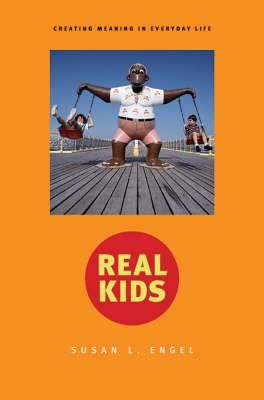
Decades of work in psychology labs have vastly enhanced our knowledge about how children perceive, think, and reason. But it has also encouraged a distorted view of children, argues psychologist Susan Engel in this provocative and passionate book–a view that has affected every parent who has tried to debate with a six-year-old. By focusing on the thinking processes prized by adults, too many expert opinions have rendered children as little adults. What has been lost is what is truly unique and mysterious–the childlike quality of a child’s mind. Engel draws on keen observations and descriptive research to take us into the nearly forgotten, untidy, phantasmagorical world of children’s inner lives. She reminds us that children fuse thought and emotion, play and reality; they swing wildly between different ways of interpreting and acting in the world. But just as a gawky child may grow into a beauty, illogical and sometimes maddening childishness can foreshadow great adult ability. Engel argues that the “scientist in a crib” view encourages parents and teachers to expect more logical reasoning and emotional self-control from children than they possess. She provides a concise and valuable overview of what modern developmental psychologists have learned about children’s developing powers of perception and capacity for reasoning, but also suggests new ways of studying children that better capture the truth about their young minds.
Robert Merrihew Adams has been a leader in renewing philosophical respect for the idea that moral obligation may be founded on the commands of God. This collection of Adams’ essays, two of which are previously unpublished, draws from his extensive writings on philosophical theology that discuss metaphysical, epistemological, and ethical issues surrounding the concept of God–whether God exists or not, what God is or would be like, and how we ought to relate ourselves to such a being. Adams studies the relation between religion and ethics, delving into an analysis of moral arguments for theistic belief. In several essays, he applies contemporary studies in the metaphysics of individuality, possibility and necessity, and counterfactual conditionals to issues surrounding the existence of God and problems of evil.
With a new foreword by Jonathan Lear’Remarkably lively and enjoyable’ŚIt is a very rich book, containing excellent descriptions of a variety of moral theories, and innumerable and often witty observations on topics encountered on the way.’ – Times Literary SupplementBernard Williams was one of the greatest philosophers of his generation. Ethics and the Limits of Philosophy is not only widely acknowledged to be his most important book, but also hailed a contemporary classic of moral philosophy. Drawing on the ideas of the Greek philosophers, Williams reorients ethics away from a preoccupation with universal moral theories towards ‘truth, truthfulness and the meaning of an individual life’. He explores and reflects upon the most difficult problems in contemporary philosophy and identifies new ideas about central issues such as relativism, objectivity and the possibility of ethical knowledge.This edition also includes a commentary on the text by A.W.Moore.At the time of his death in 2003, Bernard Williams was hailed by the Times as ‘the outstanding moral philosopher of his age.’ He taught at the Universities of Cambridge, Berkeley and Oxford and is the author of many influential books, including Morality; Descartes: The Project of Pure Enquiry (available from Routledge) and Truth and Truthfulness .
ما از اخلاق چه انتظاری داریم؟ این سوال شاید تاحدودی برای عموم مردم و یا متخصصان این رشته قابل پاسخ باشد؛ اینکه خوب بودن را به ما بیاموزد و در تنظیم روابط فردی م...

جشن کتاب تهران به ایستگاه سی و یکم رسیده است. حال و احوال نشر کتاب خوب نیست و باید فرهنگدوستان را به خرید و هدیه دادن کتاب ترغیب نمود. خانه اخلاقپژوهان جوان ب...

بنیاد کتابهای اخلاق اسلامی عمدتا پالایش جان از آلودگیها و آراستن آن به زیباییها است. اندیشه محوری این قبیل کتابها آن است که انسان فعلی آنی نیست که باید باشد...

-
0 Comments