Notice: تابع WP_Block_Type_Registry::register به طورنادرست فراخوانی شد. نامهای نوع بلوک نباید حروف بزرگ داشته باشند. لطفاً برای اطلاعات بیشتر، اشکال زدایی در وردپرس را مشاهده کنید. (این پیام در نگارش 5.0.0 افزوده شده است.) in /home/ethicsho/public_html/wp-includes/functions.php on line 5313
Warning: Use of undefined constant TDC_PATH_LEGACY - assumed 'TDC_PATH_LEGACY' (this will throw an Error in a future version of PHP) in /home/ethicsho/public_html/wp-content/plugins/td-composer/td-composer.php on line 109
Warning: Use of undefined constant TDSP_THEME_PATH - assumed 'TDSP_THEME_PATH' (this will throw an Error in a future version of PHP) in /home/ethicsho/public_html/wp-content/plugins/td-composer/td-composer.php on line 113 بایگانیهای 2748 - خانه اخلاق پژوهان جوان Notice: Trying to access array offset on value of type bool in /home/ethicsho/public_html/wp-content/plugins/wp-ulike/inc/general-functions.php on line 807
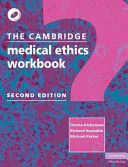
This new edition of The Cambridge Medical Ethics Workbook builds on the success of the first edition by working from the ‘bottom up’, with a widely praised case-based approach. A variety of guided exercises are supplemented by short papers and commentaries on legal and ethical issues, challenging readers to develop their own analyses and recommendations. Chapters cover death, genetics, new reproductive technologies, research, long-term care, mental health, children and young people, allocation of scarce resources, and general issues about autonomy and patient choice. An appendix discusses the use of this book in teaching, along with a full bibliography, list of Kennedy Institute keywords, and suggestions for further reading. An interactive CD-ROM packaged with the book provides extra cases, a glossary, legal references and the chance to record a personal learning diary. Its simple, clear style makes this book ideal for individual reference and as a set text for group teaching.
Talking to patients and their families about end-of-life issues can be difficult and stressful. End of Life Communication in the ICU looks at ways different cultures view death and then further explores how health care providers around the world communicate about such sensitive issues as withholding or withdrawing life support and discussing options when the outcome is uncertain. Through a better understanding of cultural differences in attitudes about death and methods of communications about end-of-life issues, practitioners can be better prepared to communicate with their own patients and their patientsa (TM) families.
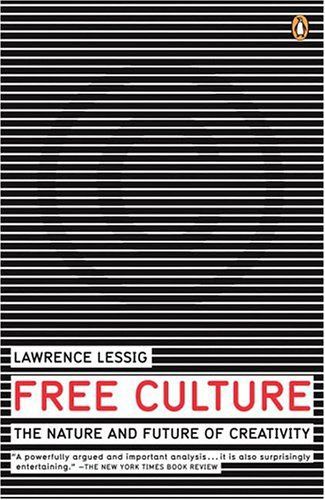
Lawrence Lessig, the most important thinker on intellectual property in the Internet era (The New Yorker), masterfully argues that never before in human history has the power to control creative progress been so concentrated in the hands of the powerful few, the so-called Big Media. Never before have the cultural powers- that-be been able to exert such control over what we can and cant do with the culture around us. Our society defends free markets and free speech; why then does it permit such top-down control? To lose our long tradition of free culture, Lawrence Lessig shows us, is to lose our freedom to create, our freedom to build, and, ultimately, our freedom to imagine.
ما از اخلاق چه انتظاری داریم؟ این سوال شاید تاحدودی برای عموم مردم و یا متخصصان این رشته قابل پاسخ باشد؛ اینکه خوب بودن را به ما بیاموزد و در تنظیم روابط فردی م...

جشن کتاب تهران به ایستگاه سی و یکم رسیده است. حال و احوال نشر کتاب خوب نیست و باید فرهنگدوستان را به خرید و هدیه دادن کتاب ترغیب نمود. خانه اخلاقپژوهان جوان ب...

بنیاد کتابهای اخلاق اسلامی عمدتا پالایش جان از آلودگیها و آراستن آن به زیباییها است. اندیشه محوری این قبیل کتابها آن است که انسان فعلی آنی نیست که باید باشد...

-
0 Comments