Notice: تابع WP_Block_Type_Registry::register به طورنادرست فراخوانی شد. نامهای نوع بلوک نباید حروف بزرگ داشته باشند. لطفاً برای اطلاعات بیشتر، اشکال زدایی در وردپرس را مشاهده کنید. (این پیام در نگارش 5.0.0 افزوده شده است.) in /home/ethicsho/public_html/wp-includes/functions.php on line 5313
Warning: Use of undefined constant TDC_PATH_LEGACY - assumed 'TDC_PATH_LEGACY' (this will throw an Error in a future version of PHP) in /home/ethicsho/public_html/wp-content/plugins/td-composer/td-composer.php on line 109
Warning: Use of undefined constant TDSP_THEME_PATH - assumed 'TDSP_THEME_PATH' (this will throw an Error in a future version of PHP) in /home/ethicsho/public_html/wp-content/plugins/td-composer/td-composer.php on line 113 بایگانیهای 2705 - خانه اخلاق پژوهان جوان Notice: Trying to access array offset on value of type bool in /home/ethicsho/public_html/wp-content/plugins/wp-ulike/inc/general-functions.php on line 807
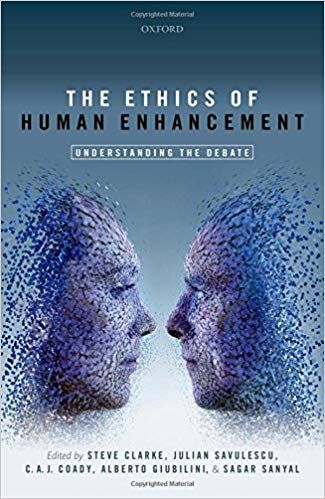
We humans can enhance some of our mental and physical abilities above the normal upper limits for our species with the use of particular drug therapies and medical procedures. We will be able to enhance many more of our abilities in more ways in the near future. Some commentators have welcomed the prospect of wide use of human enhancement technologies, while others have viewed it with alarm, and have made clear that they find human enhancement morally objectionable. ‘The Ethics of Human Enhancement’ examines whether the reactions can be supported by articulated philosophical reasoning, or perhaps explained in terms of psychological influences on moral reasoning. An international team of ethicists refresh the debate with new ideas and arguments, making connections with scientific research and with related issues in moral philosophy.–
Covering an important theme in Humean studies, this book focuses on Humes hugely influential account of the relation between reason and morality, found in book three of his Treatise of Human Nature. Arguing that this account includes a fundamental contradiction that has gone unnoticed in modern debate, this fascinating volume contains a refreshing combination of historical-scholarly work and contemporary analysis that seeks to expose this contradiction and therefore provide a significant contribution to current scholarship in the area. Beginning by pointing out a contradiction in the intermediary premise concerning whether reason can influence action, or is wholly powerless, the book then moves on to draw out the consequences for recent meta-ethics of the failure to acknowledge this contradiction. Finally, Botros highlights the root of the arguments power in an article of naturalistic dogma. A significant and thought-provoking addition to this popular field of study, Hume,Reason and Morality is undoubtedly an important resource for moral philosophers interested in meta-ethics and practical reason, as well as Humean scholars.
What effects do laws have? Do individuals drive more cautiously, clear ice from sidewalks more diligently, and commit fewer crimes because of the threat of legal sanctions? Do corporations pollute less, market safer products, and obey contracts to avoid suit? And given the effects of laws, which are socially best? Such questions about the influence and desirability of laws have been investigated by legal scholars and economists in a new, rigorous, and systematic manner since the 1970s. Their approach, which is called economic, is widely considered to be intellectually compelling and to have revolutionized thinking about the law. In this book Steven Shavell provides an in-depth analysis and synthesis of the economic approach to the building blocks of our legal system, namely, property law, tort law, contract law, and criminal law. He also examines the litigation process as well as welfare economics and morality. Aimed at a broad audience, this book requires neither a legal background nor technical economics or mathematics to understand it. Because of its breadth, analytical clarity, and general accessibility, it is likely to serve as a definitive work in the economic analysis of law.
ما از اخلاق چه انتظاری داریم؟ این سوال شاید تاحدودی برای عموم مردم و یا متخصصان این رشته قابل پاسخ باشد؛ اینکه خوب بودن را به ما بیاموزد و در تنظیم روابط فردی م...

جشن کتاب تهران به ایستگاه سی و یکم رسیده است. حال و احوال نشر کتاب خوب نیست و باید فرهنگدوستان را به خرید و هدیه دادن کتاب ترغیب نمود. خانه اخلاقپژوهان جوان ب...

بنیاد کتابهای اخلاق اسلامی عمدتا پالایش جان از آلودگیها و آراستن آن به زیباییها است. اندیشه محوری این قبیل کتابها آن است که انسان فعلی آنی نیست که باید باشد...

-
0 Comments