Notice: تابع WP_Block_Type_Registry::register به طورنادرست فراخوانی شد. نامهای نوع بلوک نباید حروف بزرگ داشته باشند. لطفاً برای اطلاعات بیشتر، اشکال زدایی در وردپرس را مشاهده کنید. (این پیام در نگارش 5.0.0 افزوده شده است.) in /home/ethicsho/public_html/wp-includes/functions.php on line 5313
Warning: Use of undefined constant TDC_PATH_LEGACY - assumed 'TDC_PATH_LEGACY' (this will throw an Error in a future version of PHP) in /home/ethicsho/public_html/wp-content/plugins/td-composer/td-composer.php on line 109
Warning: Use of undefined constant TDSP_THEME_PATH - assumed 'TDSP_THEME_PATH' (this will throw an Error in a future version of PHP) in /home/ethicsho/public_html/wp-content/plugins/td-composer/td-composer.php on line 113 بایگانیهای 2691 - خانه اخلاق پژوهان جوان Notice: Trying to access array offset on value of type bool in /home/ethicsho/public_html/wp-content/plugins/wp-ulike/inc/general-functions.php on line 807
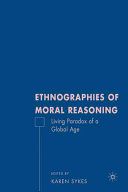
These astute essays describe the way ordinary people value human relationships and reason through the commonplace contradictions of their local way of life in a global age, rather than measure the actions of their subjects as evidence of either universal rationality or shared cultural beliefs. Each contributor conveys the ways in which people challenge the ascribed moral standards of custom, religious belief, bureaucratic policies through passionate words such as anecdotes, joke, rumors, and gossip. By evaluating moral reasoning at a local level, contributors work to answer the question, what is a good life?
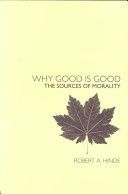
Where do our moral beliefs come from? Theologians and scientists provide often conflicting answers. Robert Hinde resolves these conflicts in offering a groundbreaking, multidisciplinary response, drawing on psychology, philosophy, evolutionary biology and social anthropology. Hinde argues that understanding the origins of our morality can clarify the debates surrounding contemporary ethical dilemmas such as genetic modification, increasing consumerism and globalization.
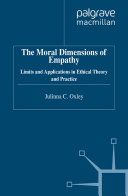
Based on a non-consequentialist ethical theory, this book critically examines the prevalent view that if a fetus has the moral standing of a person, it has a right to life and abortion is impermissible. Most discussion of abortion has assumed that this view is correct, and so has focused on the question of the personhood of the fetus. Kamm begins by considering in detail the permissibility of killing in non-abortion cases which are similar to abortion cases. She goes on to consider the case for the permissibility of abortion in many types of pregnancies, including ones resulting from rape, voluntary pregnancy, and pregnancy resulting from a voluntary sex act, even if the fetus is considered a person. This argument emerges as part of a broader theory of creating new people responsibly. Kamm explores the implications of this argument for informed consent to abortion; responsibilities in pregnancy that is not aborted, and the significance of extra-uterine gestation devices for the permissibility of abortion.
ما از اخلاق چه انتظاری داریم؟ این سوال شاید تاحدودی برای عموم مردم و یا متخصصان این رشته قابل پاسخ باشد؛ اینکه خوب بودن را به ما بیاموزد و در تنظیم روابط فردی م...

جشن کتاب تهران به ایستگاه سی و یکم رسیده است. حال و احوال نشر کتاب خوب نیست و باید فرهنگدوستان را به خرید و هدیه دادن کتاب ترغیب نمود. خانه اخلاقپژوهان جوان ب...

بنیاد کتابهای اخلاق اسلامی عمدتا پالایش جان از آلودگیها و آراستن آن به زیباییها است. اندیشه محوری این قبیل کتابها آن است که انسان فعلی آنی نیست که باید باشد...

-
0 Comments